Stockholm-Viertelguide
Vasastan, Stockholm: das Wohnviertel, in dem Stockholmer gut essen und ruhig schlafen
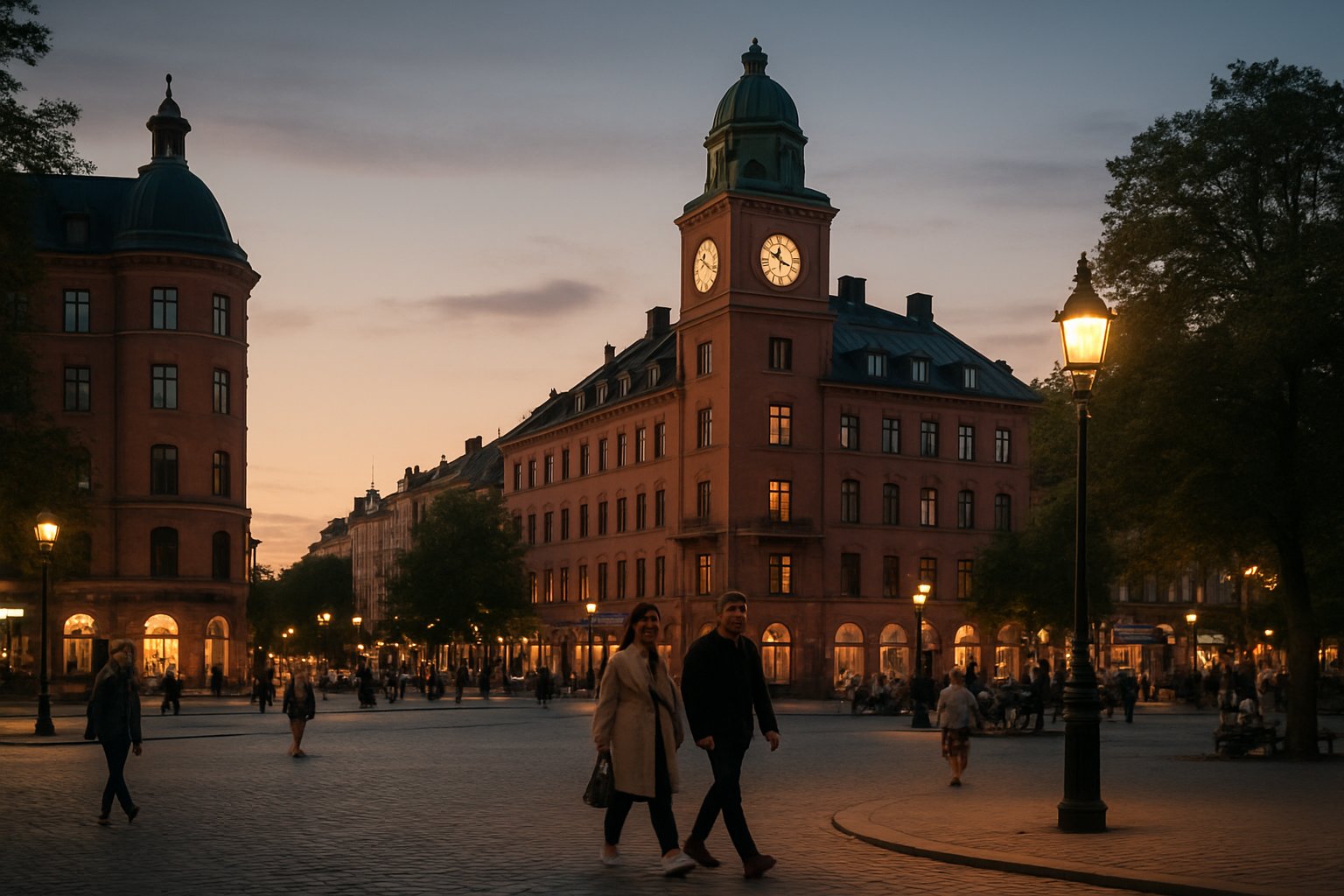
Zwischen Odenplan und den Parkplätzen ist Vasastan Stockholm in seiner lebendigsten Form: ein Raster aus Straßen des frühen 20. Jahrhunderts, ernsthafte Nachbarschaftsrestaurants und eine Ruhe, die dennoch Platz für einen ausgezeichneten Nahverkehr lässt.
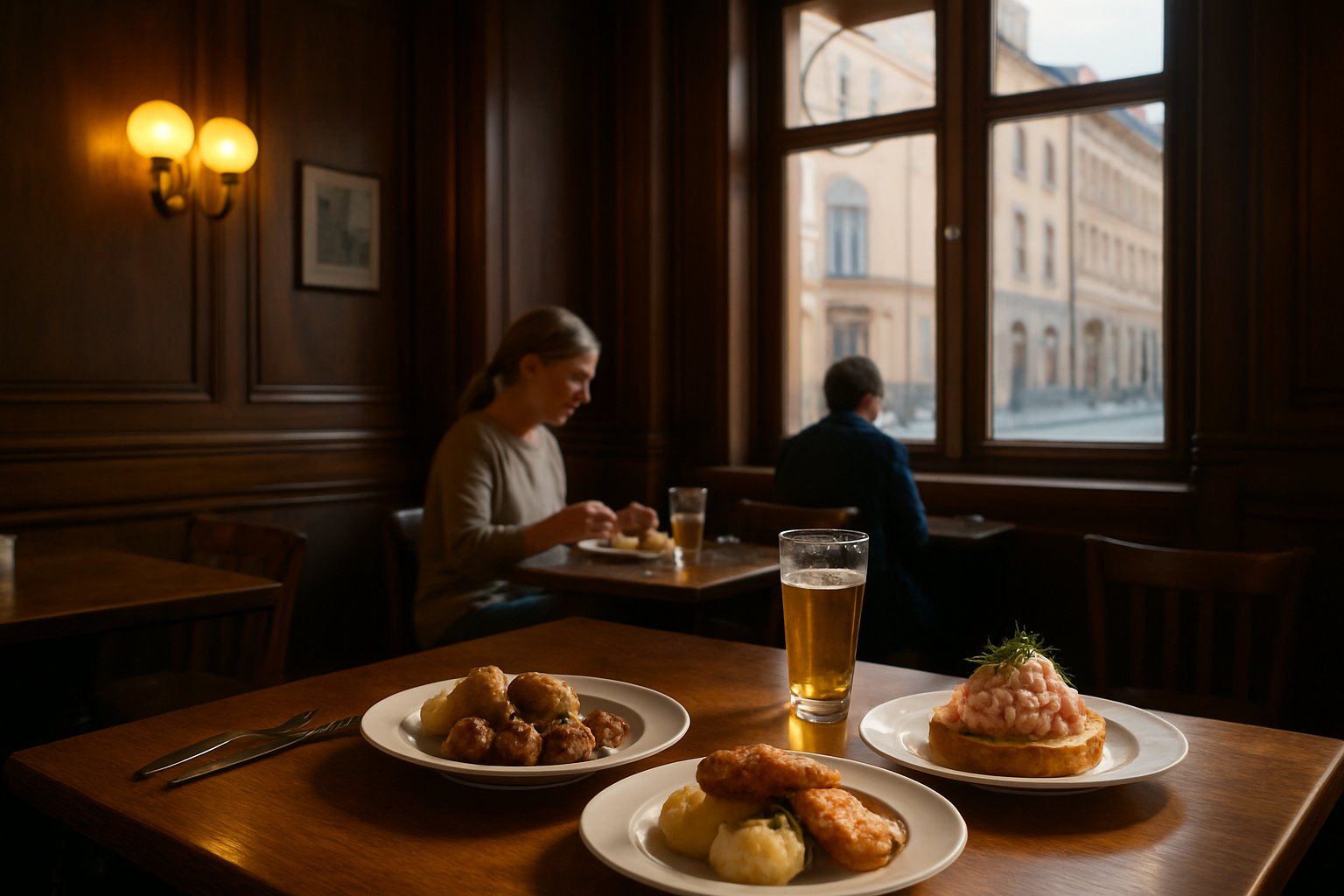
Tennstopet serviert seit 1965 Toast Skagen und Biff Rydberg unter derselben Holzvertäfelung, und die Bar-Gäste sind größtenteils immer noch die, die oben wohnen. Dieses Detail sagt fast alles über Vasastan: Dies ist ein Viertel, das seine eigenen Bewohner versorgt, ein Ort echter Adressen und Stammgäste, nicht eine Nachbarschaft für Postkartenmotive. Zwischen Stockholms Touristenzentrum und seinen Vororten fühlt sich das Raster rund um den Odenplan wie eine Stadt an, die beschlossen hat, ihre Manieren zu behalten – Steinfassaden, gerade Straßen, vernünftiger Nahverkehr und Restaurants, die Reservierungen zwei Tage im Voraus annehmen statt zwei Monate.
Ein Wohnraster rund um den Odenplan
Vasastan kündigt sich architektonisch an, bevor es irgendetwas anderes tut. Die Straßen sind breit und direkt, gesäumt von fünf- und sechsstöckigen Wohnhäusern aus etwa 1900 bis 1925, solide Steinbauten, die das Viertel eher etabliert als inszeniert wirken lassen. Anders als zentrale Stockholmer Gebiete, die in den 1960er Jahren stärker umgestaltet wurden, ist dieses Raster mit intakter Substanz erhalten geblieben. Das Ergebnis ist eine Nachbarschaft, die weitgehend so aussieht wie vor einem Jahrhundert, nur mit besserem Kaffee und einem effizienteren U-Bahn-Fahrplan.
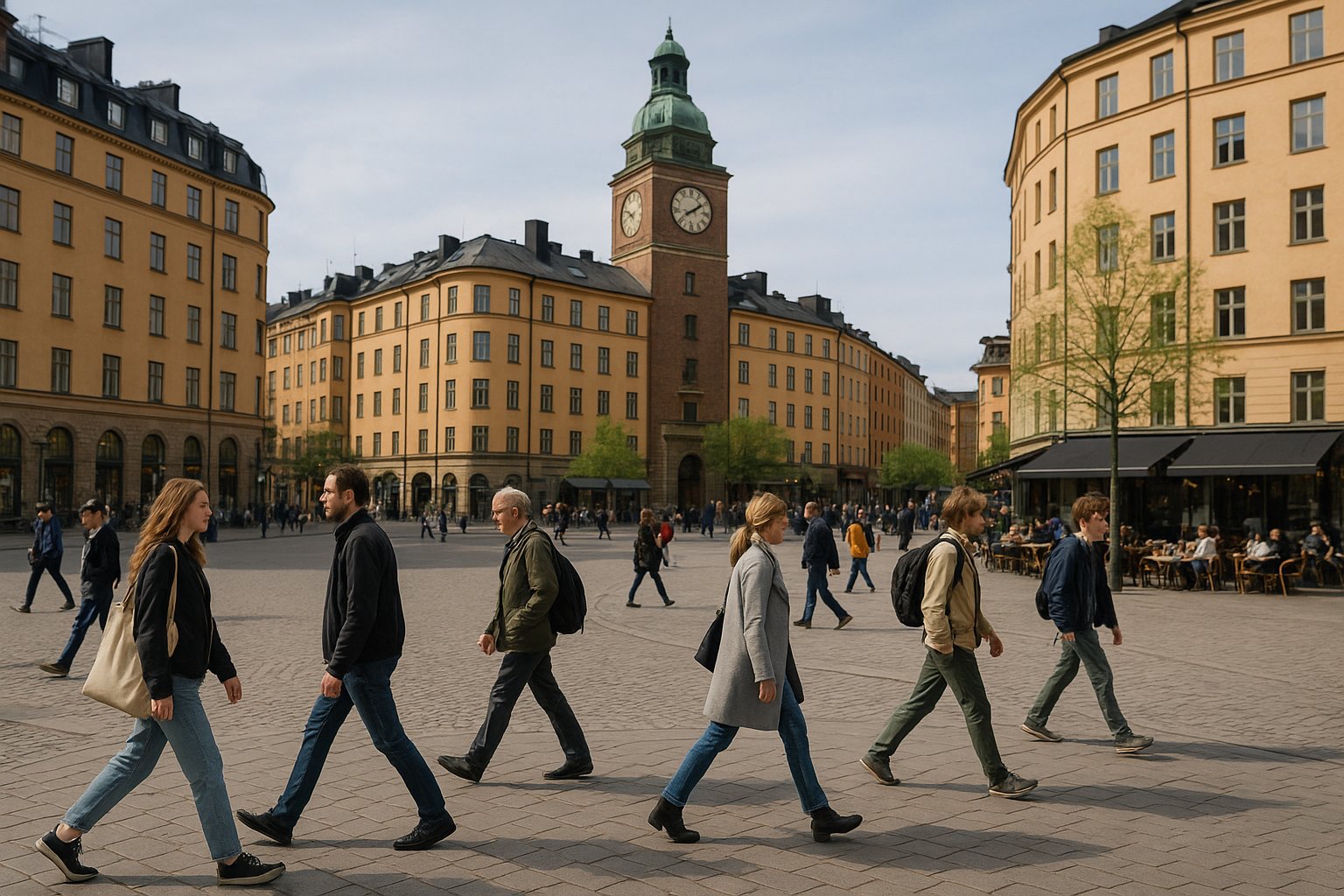
Im Zentrum liegt der Odenplan, ein gepflasterter Platz, der zugleich als Wohnzimmer und Verkehrsknotenpunkt des Viertels fungiert. Pendler überqueren ihn mit der Grünen Linie und der Pendeltåg, Studenten eilen mit Coffee-to-go-Bechern hindurch, und Büroangestellte zieht es am Tagesende zu Tranan oder Grus Grus. Es ist kein malerischer Platz im klassischen Sinne. Er ist nützlicher und aufschlussreicher. Die Orte, die Vasastan definieren, werden von hier aus gemessen: Tennstopet liegt 250 Meter nördlich, der Vasaparken ist ein paar Häuserblocks entfernt, und die provisorische Filiale der Stadsbiblioteket befindet sich nur einen kurzen Fußweg entfernt an der Odengatan.
Das berühmteste Gebäude des Viertels ist das, das derzeit geschlossen ist, was seltsam passend erscheint für Stockholms Beziehung zu modernistischen Ikonen: ehrfürchtig, geduldig und leicht bürokratisch. Gunnar Asplunds Stadtbibliothek Stockholm, fertiggestellt 1928, ist ein gedrungener Zylinder, der aus einem rechteckigen Sockel aufragt, mit drei Stockwerken buchgesäumter Galerien um eine zentrale Rotunde. Es ist eines der prägenden Werke des nordischen Klassizismus und ein Gebäude, das die Bibliotheksarchitektur weit über Schweden hinaus beeinflusste. Derzeit jedoch ist die Rotunde selbst tabu; die Bibliothek wurde im Juni 2024 wegen struktureller Renovierung geschlossen und soll erst Anfang 2028 wiedereröffnet werden. Eine verkleinerte Zweigstelle, Spelbomskan, hält das Angebot in der Nähe aufrecht, doch der große Saal bleibt ein künftiges Vergnügen. Dennoch lohnt der Umweg zur Außenansicht, sei es nur, um vor einem Gebäude zu stehen, das in Stockholm wie kein anderes aussieht.
Abseits des Odenplan wird Vasastan auf eine ruhige Weise wohnlich, die leicht zu übersehen ist, wenn man nur zum Abendessen durchkommt. Blumenkästen, Fahrradständer, Innenhöfe, die durch offene Tore sichtbar sind – die gewöhnlichen Details summieren sich schnell. An einem Dienstagabend können die Nebenstraßen der Odengatan und Dalagatan so still sein, dass man seine eigenen Schritte hört. Genau darum geht es. Vasastan versucht nicht, vom Gehweg aus zu blenden. Es versucht, wunderbar zu funktionieren.
Wo Vasastan tatsächlich isst
Die Restaurantkultur des Viertels basiert auf Loyalität statt Hype, was ein Grund dafür ist, dass man hier so gerne isst. Tennstopet, an der Ecke Dalagatan, bleibt die symbolträchtige Adresse: eine Institution der Hausmannskost aus dem Jahr 1965, deren Speisekarte weiterhin auf schwedischen Klassikern wie Toast Skagen, Blutwurst und Biff Rydberg basiert. Der Speiseraum ist holzgetäfelt und auf die alte Stockholmer Art ernst, und das Publikum besteht noch immer aus Journalisten und Einheimischen, nicht aus Besuchern, die einen berühmten Raum abhaken. Im Sommer sind die Außentische nach dem Prinzip „Wer zuerst kommt, mahlt zuerst“ verfügbar; der Speiseraum benötigt eine Reservierung. Es ist die Art von Ort, die Trends überdauert hat, indem sie nie vorgab, einer zu sein.
Ein paar Minuten entfernt an der Karlbergsvägen bietet Grus Grus eine andere Stimmung, ohne dieselbe kulinarische Umgebung zu verlassen. Es begann als eigene Weinbar des Tranan, und diese Abstammung spürt man im Raum: kleine Gerichte, eine Weinkarte mit Schwerpunkt auf kleinen, organischen und natürlichen Erzeugern, und Off-Menü-Flaschen aus dem Keller des Tranan für alle, die danach fragen. Es ist die Art von Ort, an dem das Abendessen entweder ein richtiges Sit-down-Essen sein kann oder ein allmähliches Hinübergleiten von einem Glas zum nächsten, je nachdem, wie sich der Abend gestaltet.
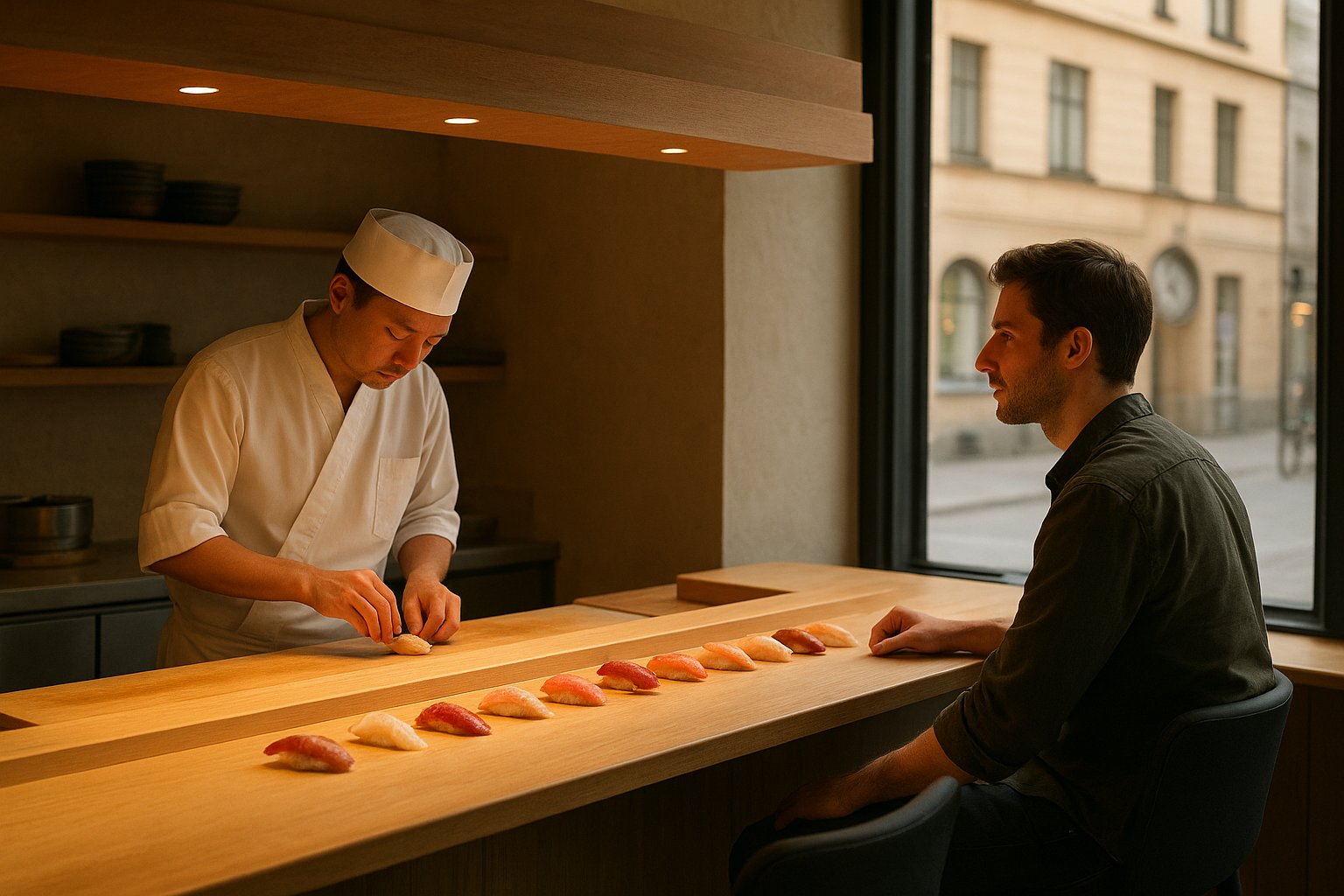
Dann gibt es noch Sushi Sho an der Upplandsgatan, das die Ambitionen des Viertels schärfer fokussiert. Mit zwölf Thekenplätzen und Edomae-Sushi, das Koch und Inhaber Carl Ishizaki flott serviert, hält es Vasastans einzigen Michelin-Stern und ist Schwedens einziges Michelin-bewertetes asiatisches Restaurant. Es ist weit im Voraus ausgebucht, und der Raum ist so klein, dass das Erlebnis die Konzentration einer Zeremonie hat. Es gibt nichts Generisches daran; dies ist eine Theke für Menschen, die aufmerksam sein wollen.
Wenn Sushi Sho Präzision ist, ist Lilla Ego an der Västmannagatan kontrollierter Lärm. Der Raum ist klein und laut, geführt von drei preisgekrönten Köchen, und hat für 2024 und 2025 den Bib Gourmand erhalten. Das Essen basiert auf eingelegtem Gemüse, gebratenen Kartoffel-Rarakas und allem, was die Woche hergibt – das heißt, die Speisekarte bleibt in Bewegung, während die Ambition fest bleibt. Es ist eines dieser Nachbarschaftsrestaurants, das gleichzeitig lokal und wie ein Ziel wirken kann, ohne die Nerven zu verlieren.
Tranan, das alteingesessene Brasserie am Odenplan, verankert den Platz selbst. Es serviert klassische Hausmannskost für ein lokales Publikum, und seine Präsenz ist wichtig, weil sie den Rhythmus des Viertels erklärt: Hier trifft man sich nach der Arbeit, nicht um eine Szene zu suchen. Um diese Namen herum liegen die Alltagsorte, die Vasastan lebenswert machen – Italiener an der Odengatan, Vietnamesen und Koreaner in der Nähe des Platzes und Mittagscafés, die sich bis zum Nachmittag wieder leeren. Das Ergebnis ist ein Speiseviertel, das Wiederholung belohnt. Man kann nach Vasastan zurückkehren und gut essen, ohne das Gefühl zu haben, es ausgeschöpft zu haben.
Weinbars und Kneipen im Viertel, keine Klubs
Vasastan macht kein Klubleben. Södermalm kann diesen Job behalten. Hier ist das Nachtleben ruhiger, gesprächiger und beginnt eher mit einem Glas als mit einer Schlange. Die Savant Bar ist einer der klarsten Ausdrücke dieser Stimmung: tagsüber Kaffeetheke, nachts Weinbar mit natürlichen Weinen, mit einer täglich wechselnden Offene-Weine-Liste. Es ist die Art von Raum, in dem Stammgäste „dasselbe wie beim letzten Mal“ bestellen und sich auf das Gedächtnis verlassen, nicht auf eine Karte.
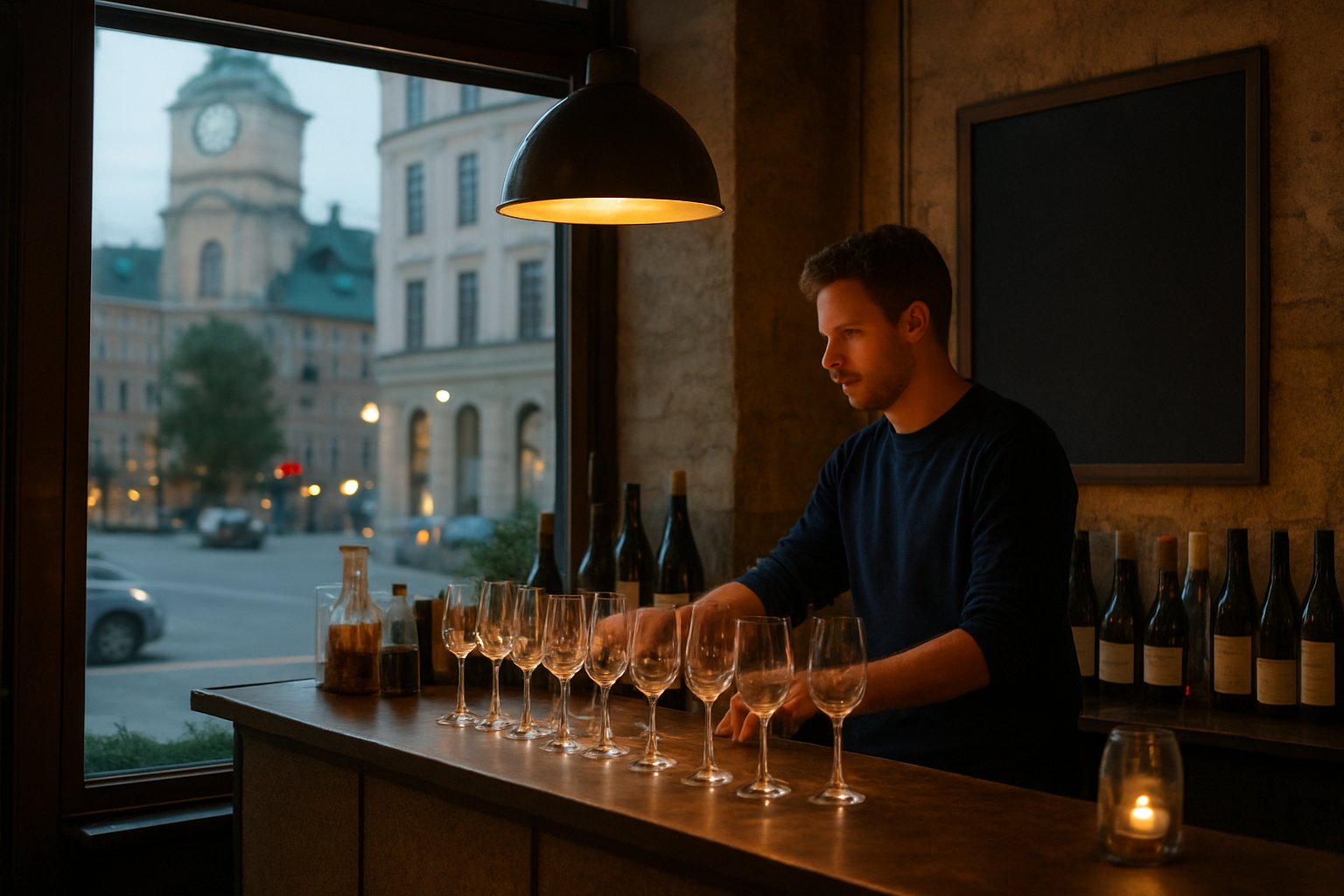
An der Rörstrandsgatan hält Nektar den Maßstab noch kleiner. Es ist eine Weinbar, die um eine Restaurantküche gebaut ist, mit einer Karte, die natürliche Weine bevorzugt, aber auch ein paar klassische Flaschen bereithält für alle, die diese Debatte nicht führen wollen. Diese Balance – etwas Neugier, etwas Zurückhaltung – fühlt sich sehr nach Vasastan an. Die Straße selbst bewegt sich in den Öffnungszeiten kleiner Geschäfte, und die Bar passt sich diesem Tempo an, anstatt es übertreffen zu wollen.
Für Bier-lastige Abende ist The Doors an der Odengatan im besten Sinne geradlinig: eine Kneipe mit einer großen Bierliste und einem Publikum, das eher lokal und nach der Arbeit orientiert ist als aus Junggesellenabschieden. Eine Filiale der Kette Bishops Arms in der Nähe erfüllt denselben Zweck mit einem etwas polierteren Touch. Beide jagen dem nächtlichen Andrang nicht hinterher, denn Vasastan tut das generell nicht. Die Abende des Viertels klingen eher aus, als dass sie explodieren, was ein Grund dafür ist, dass die Bewohner es wählen.
Parks, eine Rotundenbibliothek und ein goldverkleidetes Museum
Der Vasaparken ist der Außenraum des Viertels. Er ist der größte Park in Vasastan, mit einem Fußballplatz, einem großen Kinderspielplatz und genug Rasenfläche für ein ordentliches Picknick. Im Winter verwandelt er sich bei sinkenden Temperaturen in eine Freiluft-Eisbahn; in wärmeren Monaten füllt er sich mit Hundebesitzern und Picknickern statt mit Touristengruppen. Es ist kein Prestigepark. Es ist ein funktionierender, und das verleiht ihm eine Unbeschwertheit, die Besucher sofort bemerken.
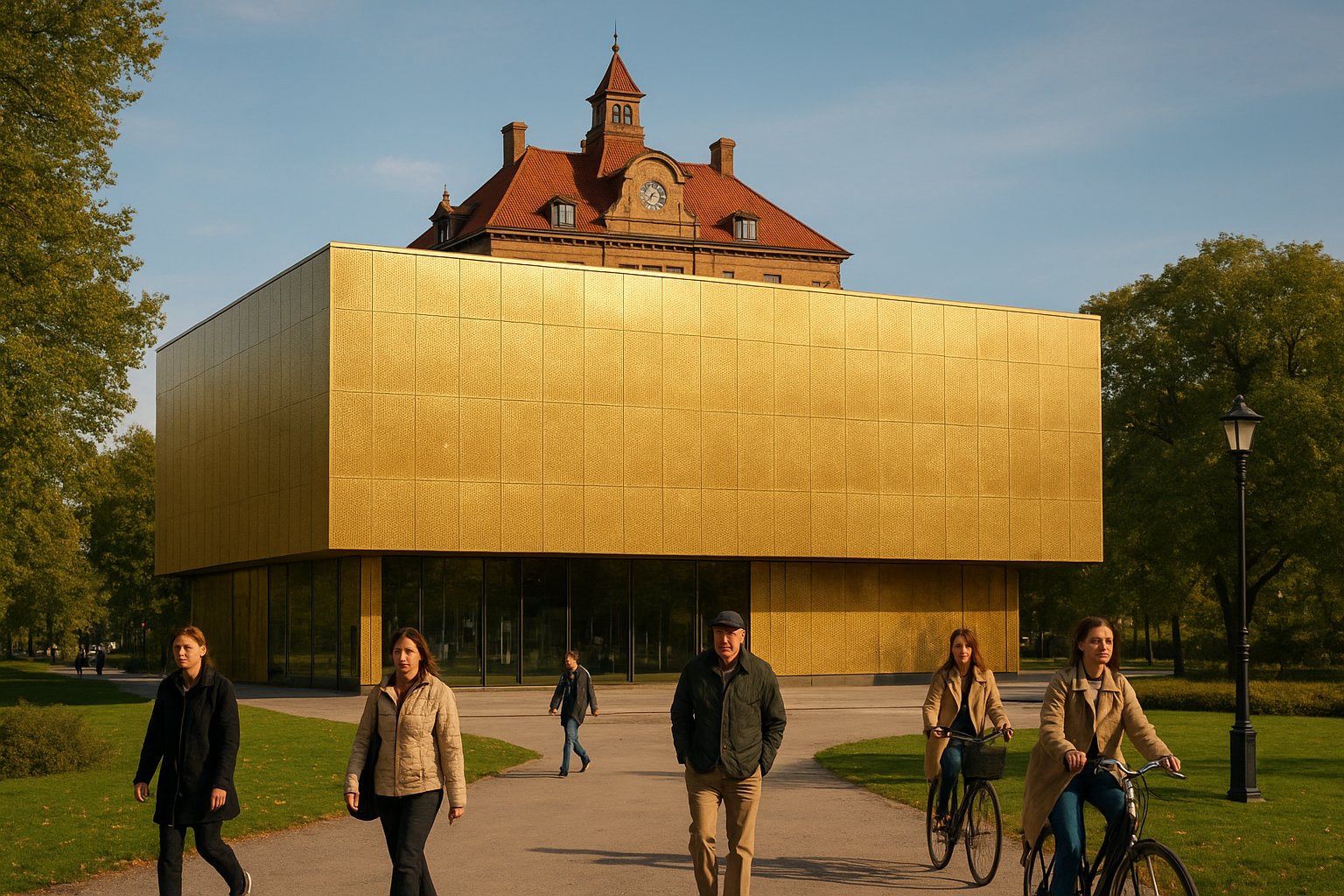
An seinem Rand steht das Kunstmuseum Sven-Harry, ein fünfstöckiges Gebäude mit goldgetönter Metallverkleidung, entworfen von Wingårdhs Arkitekter. Es wurde vom Immobilienentwickler Sven-Harry Karlsson gebaut, um seine eigene Sammlung unterzubringen – Zorn, Munch, Strindbergs Gemälde, Carl Fredrik Hill – und krönt das Ganze dann mit einer wunderbar skurrilen Zutat: einer originalgetreuen Replik seines Herrenhauses aus dem 18. Jahrhundert, eingerichtet mit den echten Möbeln, auf dem Dach. Nur wenige Museen in Stockholm fühlen sich so spezifisch oder so eigenwillig an wie dieses.
Das andere unverzichtbare Bauwerk, selbst in Abwesenheit, ist die Stadtbibliothek Stockholm. Asplunds Rotunde von 1928 liegt nur wenige Minuten vom Vasaparken entfernt, und obwohl das Gebäude bis Anfang 2028 wegen Renovierung geschlossen ist, rechtfertigt die Außenansicht dennoch den Spaziergang. Der Zylinder, der Backstein und Putz, das Gefühl einer architektonischen Idee, die greifbar wird – all das ist von der Straße aus sichtbar. Für eine ruhigere Grünfläche als den Vasaparken liegen Observatorielunden und Vanadislunden direkt im Norden und bieten echten Blick über die Skyline der Stadt statt über einen Park.
{{ATTRAKTIONEN}}
Boutiquen und Secondhand an der Rörstrandsgatan
Das Einkaufen in Vasastan ist verstreut, was bedeutet, dass sich Schlendern eher lohnt als Abhaken. Die Rörstrandsgatan ist das, was dem Viertel am nächsten zu einer Modestraße kommt. Die schwedische Designerin Carin Wester führt ihr Flagship-Geschäft in der Rörstrandsgatan 24, mit Stücken, die nicht in ihr breiteres Händlernetz gelangen, und der umliegende Block hat sich im letzten Jahrzehnt mit kleinen unabhängigen Boutiquen statt Ketten gefüllt. Es ist eine Straße, die die Ladenöffnungszeiten einhält, daher sind Sonntage meist tot und frühe Abende können ruhig sein. Diese Kadenz passt perfekt zum Viertel.
Anderswo rund um den Odenplan und den Sankt Eriksplan zeigt sich ein weiteres Einzelhandelsmerkmal des Viertels: Secondhand. Antiquitätenhändler, Kuriositätenläden und Plattenläden reihen sich neben der neueren Welle von Vintage-Kleidung, die sich von Södermalm aus verbreitet hat. Nichts davon ist für ein Touristpublikum gemacht, was genau der Reiz ist, wenn man Stöbern dem Verkaufsgespräch vorzieht. Es gibt hier kein großes Kaufhausdrama, keine Einzelhandelsinszenierung im Stil des Norrmalm. Vasastans Geschäfte funktionieren am besten als Abstecher zwischen den Mahlzeiten oder auf dem Rückweg von einem.
Wo man in Vasastan übernachtet
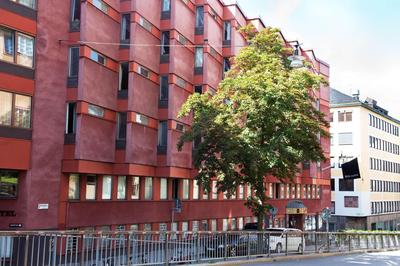
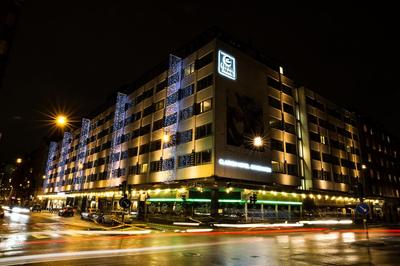
Vasastan ist sinnvoll für Reisende, die eine ruhige, wohnliche Basis mit schnellen Verbindungen möchten, statt einer Hotellobby, die direkt in das Nachtleben mündet. Blique by Nobis ist die designorientierte Option des Viertels, ein umgebautes Gebäude mit einer Rooftop-Bar und einer Fangemeinde unter Geschäftsreisenden, die nicht stört, dass es etwas außerhalb des touristischen Kerns liegt. Das Elite Palace Hotel liegt zentral am Vasaparken und bietet ein italienisches Restaurant, eine Bishops-Arms-Pub vor Ort und ein Spa und punktet mit seiner Nähe zum Flughafenbus und zur U-Bahn. Für einen einfacheren Aufenthalt decken das ibis Styles Stockholm Odenplan und das Best Western Plus Time Hotel das mittlere Segment direkt am Platz ab, während das Hotel Hellsten ein eklektischeres Boutique-Design-Hotel-Gefühl ein paar Straßen weiter vermittelt.
Erwarten Sie, weniger zu zahlen als für ein vergleichbares Zimmer in Norrmalm oder Östermalm, und bekommen Sie dafür in der Regel ein größeres, ruhigeres Zimmer. Der Kompromiss ist einfach: Sie treten nicht direkt hinaus in die Altstadt. Sie nehmen eine zehn- bis fünfzehnminütige U-Bahn-Fahrt oder einen Spaziergang, um dorthin zu gelangen, was für viele Reisende ein fairer Tausch ist.
Die Straßen direkt um Odenplan bringen Sie am nächsten zu Restaurants und U-Bahn; weiter Richtung Vasaparken oder Sankt Eriksplan wird es wieder ruhiger, mit einem etwas längeren Fußweg zurück zum Platz. Dieses Gleichgewicht – Bequemlichkeit ohne Lärm – ist der Grund, warum Vasastan so gut als Basis funktioniert.
Übernachten in dieser Gegend
Hotels in Vasastan
Unsere bestbewerteten Unterkünfte in diesem Viertel. Die Preise sind ungefähre „ab“-Preise — bestätigt beim Anbieter, wenn Sie fortfahren. Wir können eine Provision erhalten, wenn Sie über unsere Partner buchen — ohne Mehrkosten für Sie.
 In this area
 In this area
Radisson Blu Royal Viking Hotel, Stockholm
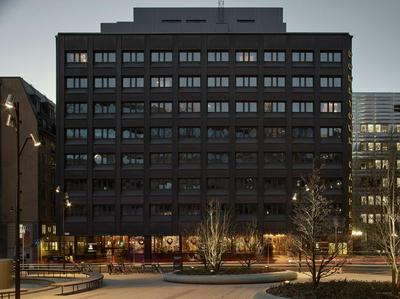 In this area
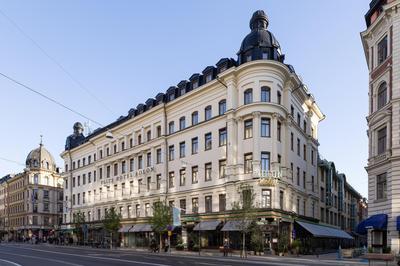 In this area
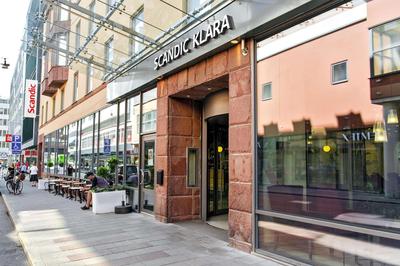 In this area
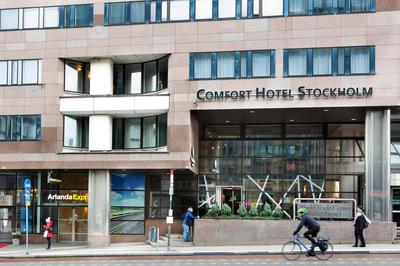 In this area
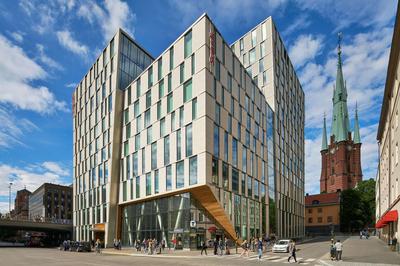 In this area
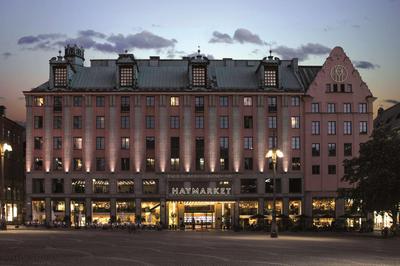 In this area
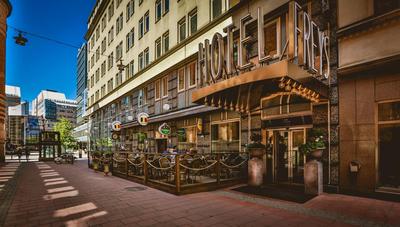 In this area
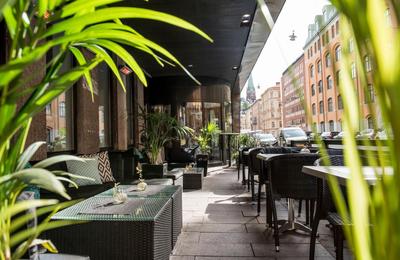 In this area
 In this area
 In this area
Verkehrsanbindung in Vasastan
Odenplan ist das Verkehrszentrum des Viertels. Er ist eine U-Bahn-Station der Grünen Linie und, seit der City Line Tunnel 2017 eröffnet wurde, auch ein Halt des Pendeltåg, wodurch der größte Teil des Stockholmer Zentrums in wenigen Minuten erreichbar ist. Sankt Eriksplan und Rådmansgatan, beide an der Grünen Linie, decken die westlichen und südlichen Ränder ab, sodass fast überall in Vasastan ein U-Bahn-Eingang in fünf bis zehn Gehminuten liegt.
Zum Stockholmer Hauptbahnhof ist es eine Pendeltåg-Station oder eine kurze Fahrt mit der Grünen Linie; von dort verbindet T-Centralen weiter mit allen anderen Linien des Netzes. Zum Flughafen Arlanda gibt es vom Odenplan etwa alle 30 Minuten einen direkten Pendeltåg, der ungefähr 35 Minuten dauert. Er ist langsamer als der Arlanda Express vom Hauptbahnhof, der 18 Minuten braucht, aber Sie vermeiden einen Umstieg und es ist deutlich günstiger.
Zu Fuß ist Vasastan flach und gut begehbar. Norrmalms Einkaufsstraßen sind 15 bis 20 Minuten südlich und Gamla Stan etwa 30 Minuten entfernt, was weit genug ist, dass die meisten Besucher die U-Bahn nutzen, statt jeden Tag zu laufen. Busse entlang der Odengatan und Sveavägen füllen die Lücken zwischen den U-Bahn-Stationen für kurze Fahrten. Übliche städtische Vorsicht ist nach Einbruch der Dunkelheit rund um Odenplan und die U-Bahn-Stationen angebracht, aber dies ist ein ruhiges, kriminalitätsarmes Wohnviertel und kein Ort mit besonderen Gefahrenzonen.
Wenn Stockholm manchmal wie eine Stadt verschiedener Stimmungen erscheint – Södermalm für den Abend, Östermalm für das Geld, Gamla Stan für die Kamera – so ist Vasastan der Ort, an dem diese Menschenmengen zum Abendessen nach Hause gehen. Es versucht nicht, die Hauptattraktion der Stadt zu sein. Genau das macht es dauerhaft interessant.
Gut zu wissen
Vasastan — Ihre Fragen
Ist Vasastan eine gute Gegend zum Übernachten in Stockholm?
Ja — wenn Sie eine ruhige, wohnliche Basis mit hervorragenden Restaurants in der Nachbarschaft und schnellen U-Bahn- und S-Bahn-Verbindungen möchten, statt eines Hotels nur wenige Schritte von der Altstadt entfernt. Bis zu den zentralen Sehenswürdigkeiten sind es etwa 10 bis 15 Minuten mit der U-Bahn, was ein fairer Tausch gegen niedrigere Hotelpreise und eine bessere Nachtruhe ist.
Kann ich gerade jetzt die berühmte Rotunde der Stockholmer Stadtbibliothek besuchen?
Im Moment nicht. Gunnar Asplunds Hauptbibliotheksgebäude wurde im Juni 2024 wegen Renovierungsarbeiten geschlossen und soll erst Anfang 2028 wiedereröffnet werden. Eine kleinere provisorische Zweigstelle, Spelbomskan, ist in der Nähe an der Odengatan geöffnet, aber der Kuppellesesaal selbst ist geschlossen.
Wie komme ich von Vasastan zum Flughafen Arlanda?
Nehmen Sie den direkten Pendeltåg von Odenplan, der etwa alle 30 Minuten fährt und ungefähr 35 Minuten braucht. Er ist langsamer als der Arlanda Express vom Hauptbahnhof, aber Sie vermeiden einen Umstieg und es kostet weniger.
Muss ich in Vasastan Restaurants im Voraus buchen?
Bei den herausragenden Lokalen ja. Der Tresen des Sushi Sho und das Lilla Ego sind gut im Voraus ausgebucht, und auch der Speisesaal des Tennstopet muss reserviert werden, während seine Außentische im Sommer nach dem Prinzip „Wer zuerst kommt, mahlt zuerst“ vergeben werden. Generell ist Vasastan leichter zugänglich als Södermalm, aber die bekanntesten Namen füllen sich trotzdem.
Galerie