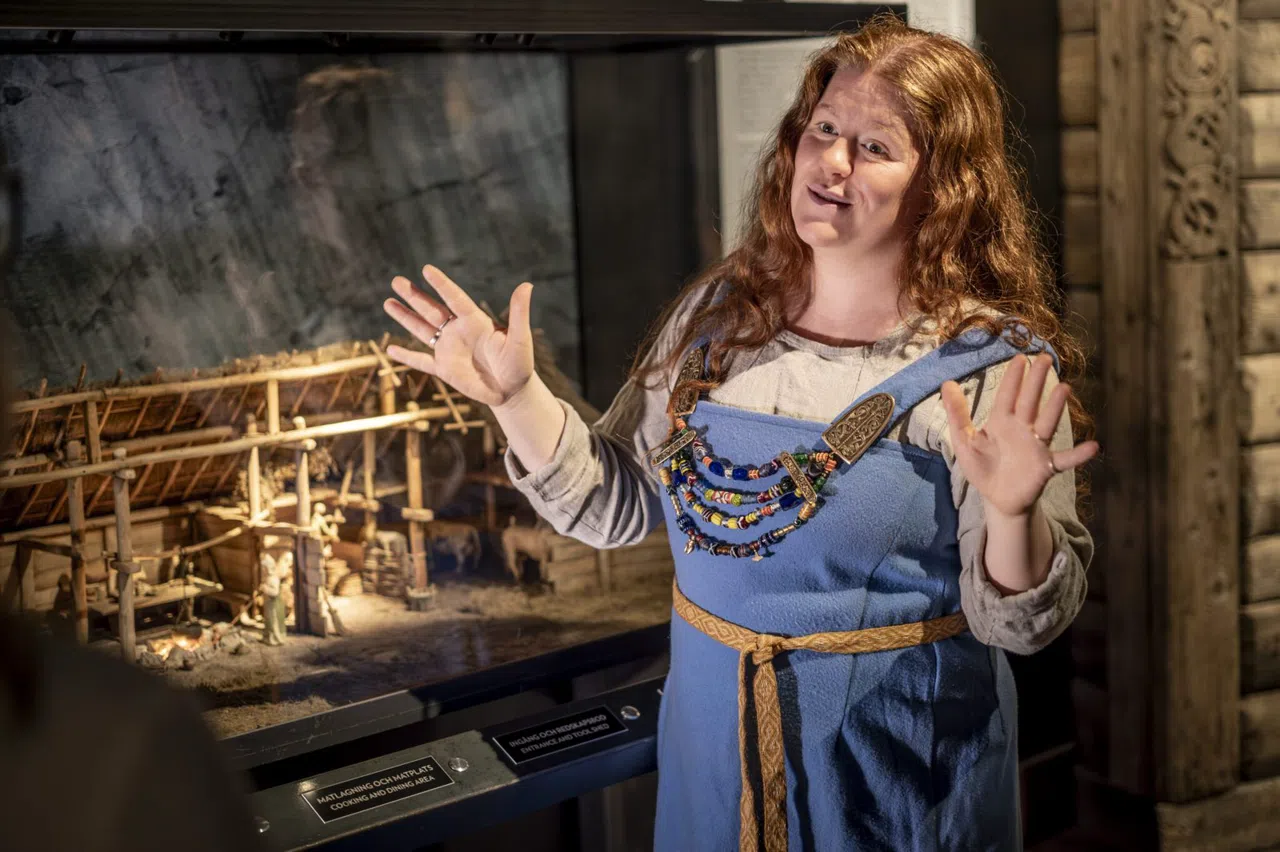

Stand at the harbour below Stockholm's City Hall on a clear morning and you're looking at the same stretch of water Viking-age traders used to reach a market town on an island roughly forty minutes upstream. The city sells its Norse past in horned-helmet mugs, but the real material — grave goods, rune-carved boulders, a UNESCO trading post you can still walk — is scattered across the city and the lake beyond it, waiting for anyone willing to check the saga against the stone. This guide walks you through both: what's genuinely Viking Age, and where Stockholm has quietly folded that inheritance into jewellery counters and pop-up museums instead of pretending it stopped in the 11th century.
In the city centre: where the myth gets checked against the evidence
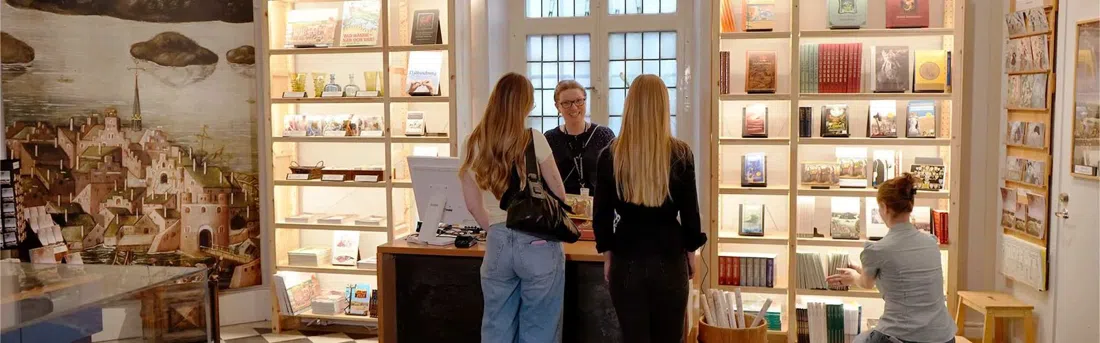
Start here, before you go near a boat timetable. The Swedish History Museum — The Viking World & Gold Room (Historiska museet, Narvavägen, Östermalm) is the reference point for everything else on this list: actual grave goods, hoards of hacksilver, and a gold room stocked with jewellery that was buried, not staged for display. It's a state museum, so admission is a flat 180 SEK for adults, dropping to 90 SEK on Wednesday evenings, and free under 19 — worth timing a visit around if you're travelling with teenagers. Group tours are bookable in advance through the museum's own office; walk-ins are fine outside peak summer weekends, but a school class or coach group should confirm a slot first. Treat it as the fact-check you carry into everything else on this list — when a guide at Birka later mentions a burial that held weighing scales and silver, this is the room that shows you what those objects actually looked like.

From there it's a fifteen-minute walk into Gamla Stan, Stockholm's old town, to stand in front of Uppland Runic Inscription 53 — a runestone set into a street corner that most visitors walk straight past because it isn't fenced off or signed like a museum piece. There's no booking, no fee, no opening hours to plan around; it's simply there, the way a lamppost is there, and that's the point. It's a five-minute detour that does more to make the Viking Age feel local than an afternoon in a gift shop — proof that Stockholm's Norse past isn't confined behind glass.
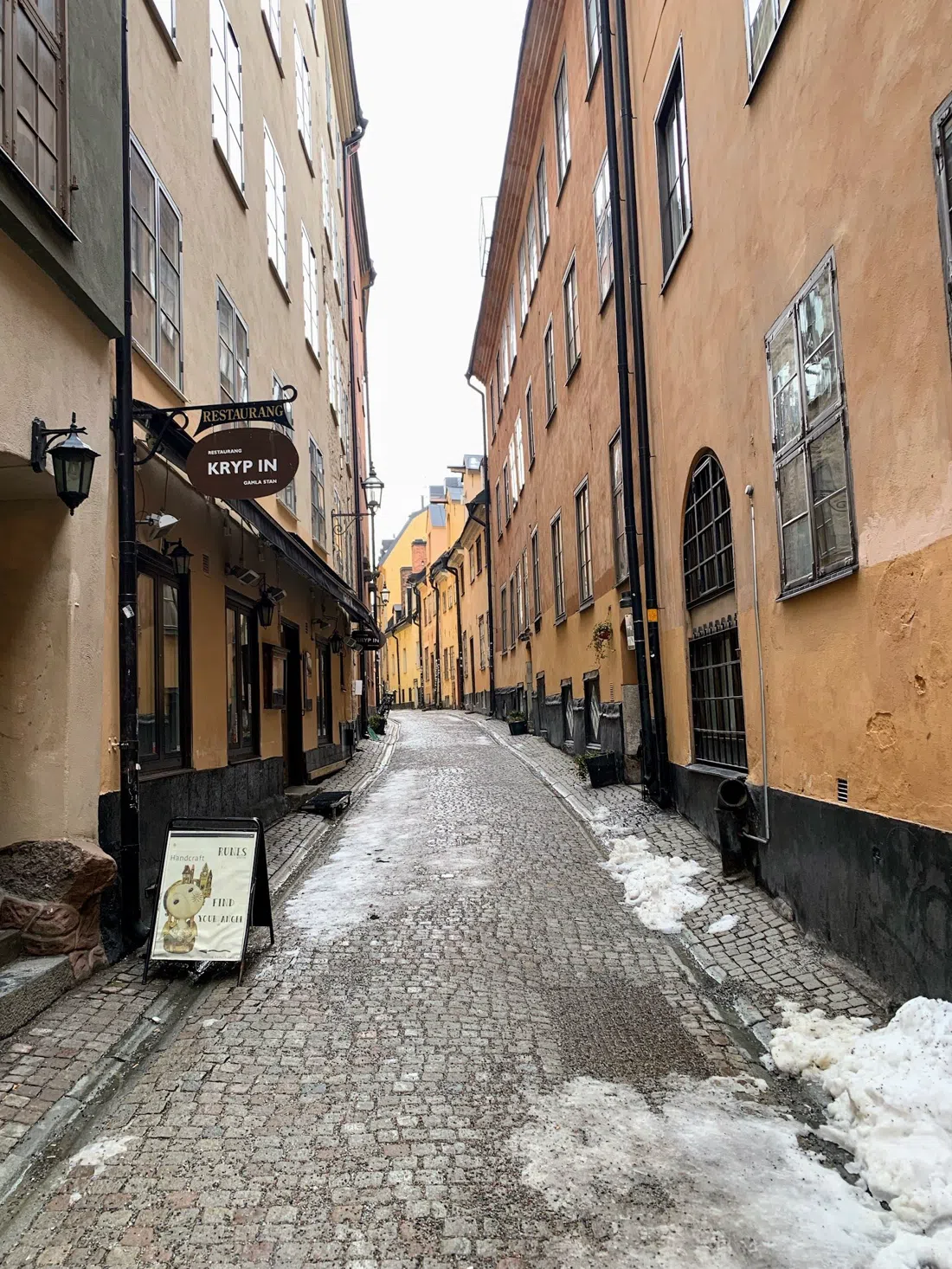
Stay in Gamla Stan for the Medieval Hub (Medeltidsmuseet pop-up), a small seasonal museum set up in Storkyrkan's courtyard while the main Medeltidsmuseet building goes through a long-term relocation. It runs Wednesday to Saturday, 10:00–16:00, June through August only, so check the season before routing a visit around it — outside those months there's nothing to see here. Entry to the hub is free; guided walks are ticketed separately and are a decent way to bridge the Viking Age with the medieval town that grew directly out of it. It's small enough that walk-in groups aren't a problem, though a specific guided-walk slot should be booked ahead.
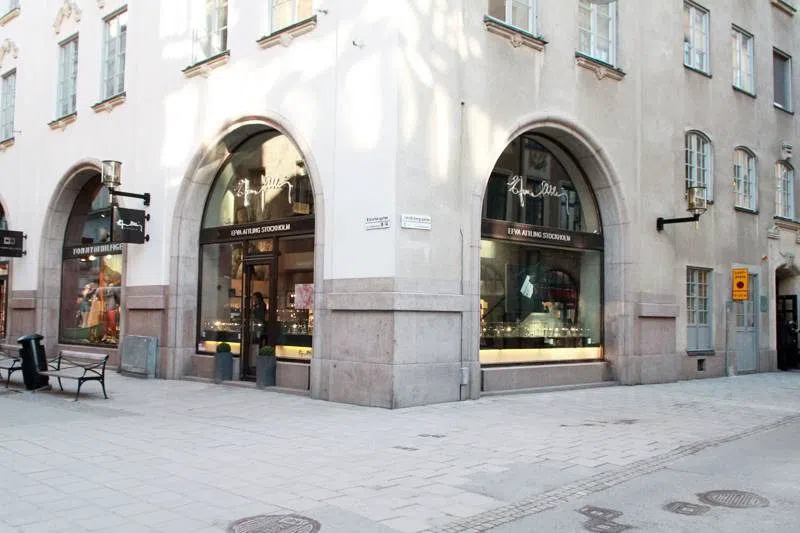
Finish the city-centre stretch on Biblioteksgatan in Östermalm, at Efva Attling — Viking Collection, a working jewellery boutique rather than a heritage site — which is exactly why it belongs here. Attling reworks the twisted-silver technique Viking Age smiths actually used into contemporary rings, cuffs, and pendants, the 'modern design' half of the brief made literal rather than metaphorical. It's open Monday to Friday 10:00–18:00 and Saturday 11:00–16:00, casual browsing is fine, and small groups won't get side-eyed the way they might in a more precious shop. Pieces run roughly 1,000–4,000 SEK — a considered souvenir rather than an impulse buy, and the one place on this list where you leave wearing the thread that connects the grave goods in the history museum to something Stockholm is still making today.
The immersive anchor, on Djurgården
For a first-time visitor rather than a specialist, cross the water to Djurgården and The Viking Museum, Sweden's only museum built entirely around Viking Age life rather than a regional collection that happens to include it. It's deliberately structured to separate saga drama from archaeological fact — a ride-through narrative sits alongside object displays that flag what's dramatised and what's excavated, which makes it a useful entry point before you go and see the harder evidence at Historiska museet or out at Birka. It's open daily, 10:00–18:00, admission is 199 SEK for an adult or 599 SEK for a family of four, and it takes groups and school classes without fuss — pre-book through [email protected] if you're arriving as a coach or a class rather than a couple wandering in. Go here first if you're building a day around the theme; it's designed to set up the myth-versus-reality question that Historiska museet and Birka then go and answer properly.
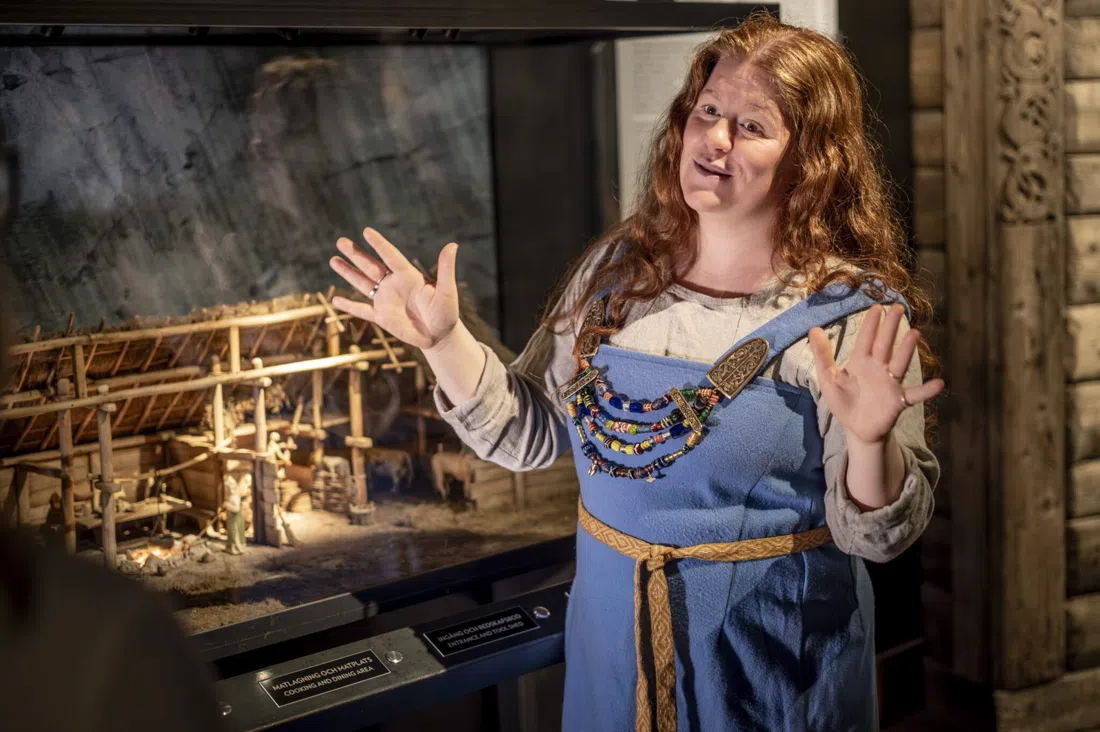
Runestones underfoot, no ticket required — Täby and Vallentuna
If Uppland Runic Inscription 53 whets your appetite for runestones in the open air, Runriket is the payoff: the largest concentration of runestones in the world, most of them raised by a single named Viking family whose own words are still legible in the stone, strung along a walking trail through Täby and Vallentuna in Stockholm's north-eastern suburbs. It's free, unrestricted, and never closes — no ticket office, no group cap, no season to plan around, which makes it the most forgiving stop on this list for a self-guided walk. Reaching it takes commuter rail out of central Stockholm plus a walk or local bus at the far end, so budget the better part of a morning or afternoon rather than treating it as a quick add-on. It suits a couple with a map as easily as a larger walking group; nobody is checking numbers because there's no gate to check them at.
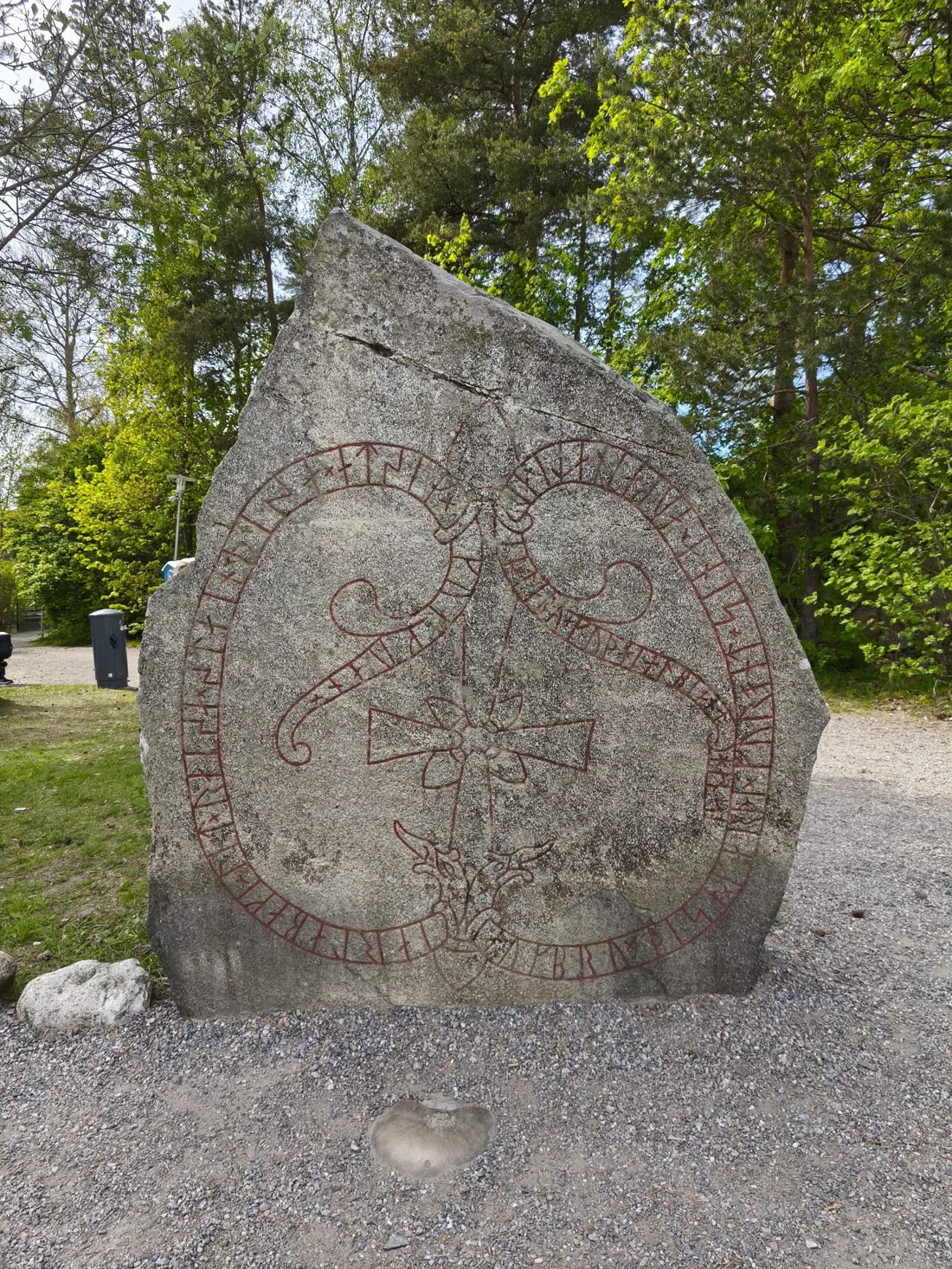
The full-day payoff: Birka and Hovgården
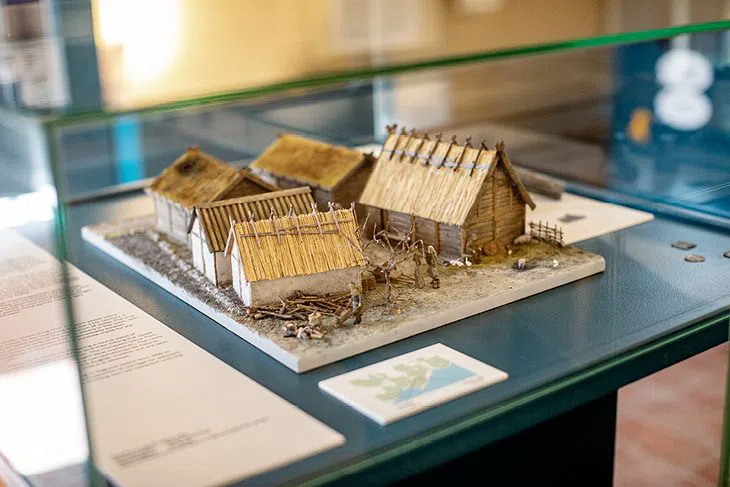
Everything so far is a warm-up for this. Birka — the Viking City, on the island of Björkö in Lake Mälaren, was Sweden's first town and a working 9th-century trading hub, not a reconstruction — it's UNESCO-listed alongside Hovgården across the water, and it's the full-day trip this piece has been building towards. Strömma runs the fixed-departure guided boat tours from central Stockholm, with private-group departures too, but boat capacity genuinely limits how many people can travel on a given sailing, so pre-book rather than turning up at the quay. A full day — return boat crossing, a guided walk around the excavated town site, and the on-site museum — runs roughly 800–1,000 SEK for an adult. Bring layers; the crossing is exposed even in a Stockholm summer, and the walking is on open ground, not paved paths.
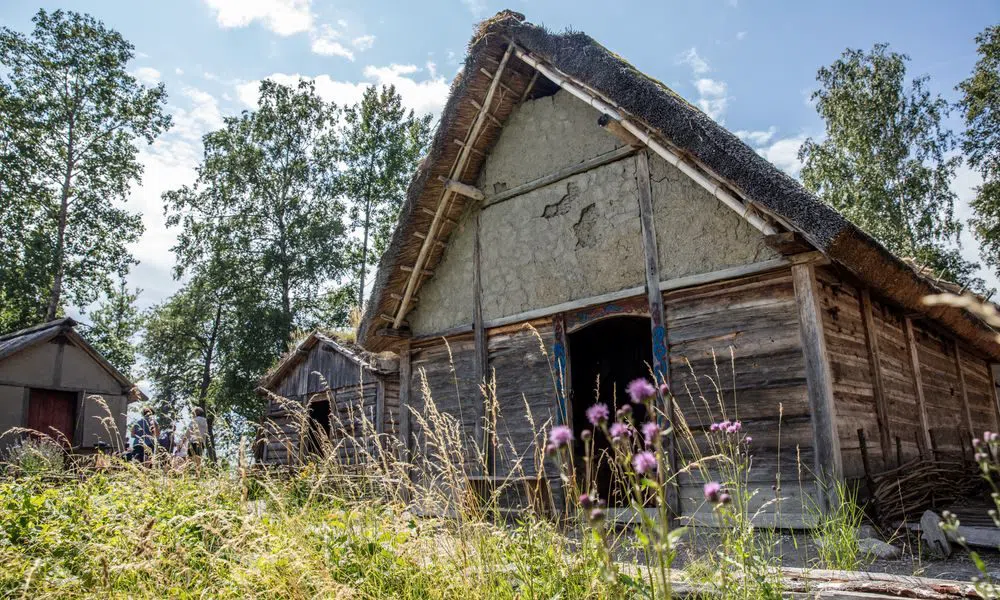
Once you're on Björkö, don't stop at Birka itself. A free, unmanned shuttle ferry crosses to Adelsö for Hovgården, the royal burial site that pairs with Birka the way Historiska museet pairs with the runestones — this is where the kings who actually ruled the trading town below were buried, not a symbolic add-on. It's self-guided, free including the ferry crossing, and fine for small groups, but there are no facilities out there for a coach-sized party, so calibrate expectations to what you're actually walking into: burial mounds in a field, no visitor centre, no café. That absence is more or less the point — you're standing in the place itself, not in an interpretation of it.
Uppsala: the mythic seat of the old kings
The Birka trip covers the trading and burial side of the story; Gamla Uppsala Museum & Royal Mounds covers the mythic seat of power, and it's worth treating as a separate day rather than bolting onto the same one — Uppsala is roughly forty minutes north of Stockholm by train, and Birka already takes most of a day on its own. The royal mounds predate the Viking Age proper, but this was the ceremonial and political centre the old Swedish kings claimed descent from, and the museum next door does the same evidence-versus-legend work as Historiska museet, anchored to a landscape you can then walk across. It's open daily, 11:00–17:00, May through September, narrowing to Wednesday–Sunday the rest of the year, so check the calendar before building a winter itinerary around it. Entry is free for ages 0–19, and the museum charges a modest adult fee that's worth confirming on the day, since it does shift. Group tours run through Upplandsmuseet and are bookable ahead — useful if you want a guide to explain which mounds have been excavated and which haven't, because from the path they look identical.
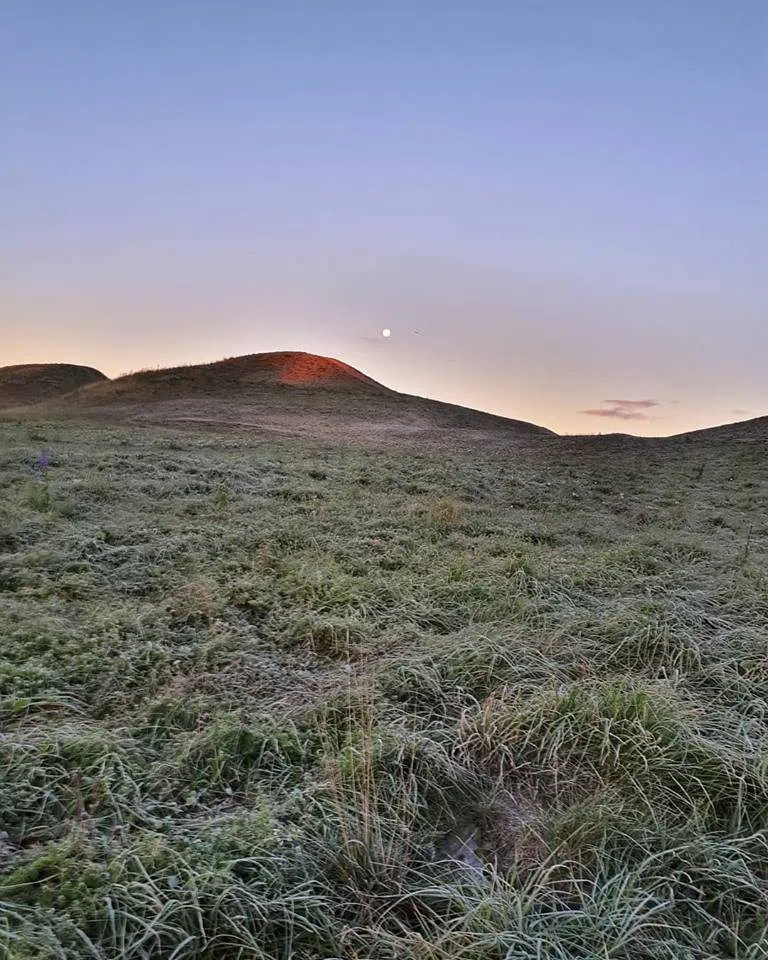
Sigtuna: a runestone town you can still walk
Sigtuna Museum & Art, in the small lakeside town of Sigtuna about an hour from central Stockholm, is the quietest stop on this list and arguably the most rewarding if you like your history unmediated. Sigtuna was founded around 980 AD by Erik the Victorious, and the runestones here aren't collected into a trail or fenced into a heritage site — they're built into the streetscape, more per square metre than almost anywhere else on earth, which means the town itself is the exhibit and the museum is the footnote rather than the other way round. The museum is small and municipal, open daily 12:00–16:00, free for under-20s with a modest adult admission, and group visits go through direct arrangement with the museum rather than a formal booking system — email or call ahead if you're bringing more than a handful of people. Give it half a day: an hour in the museum, the rest spent walking the main street reading stones that have been sitting there since before Stockholm existed as a city at all.
Getting around, budgeting the day, and when to go
Transport: Central Stockholm is walkable enough that Historiska museet, Gamla Stan, and Djurgården can all be covered on foot or with a single day-transit card. Birka and Hovgården require the Strömma boat from central Stockholm — book that crossing ahead, since it sets your whole day's schedule. Runriket, Sigtuna, and Gamla Uppsala are all reachable by regional or commuter train followed by a short walk or local bus; none of them need a car, though a car makes it easier to combine Sigtuna and Gamla Uppsala in a single day if you'd rather not do them separately.
Cash and cards: Sweden runs almost entirely on card and mobile payment now — cash is genuinely rare, and some smaller museum shops and the Runriket trail, which has no staffed point at all, won't take cash even if you have it. Don't arrive expecting to need kronor in hand; a contactless card covers everything on this list.
Timing: May to September is when Gamla Uppsala's fuller hours and the Medieval Hub's pop-up season both run, so a summer trip lets you do everything on this list without gaps. Outside that window, Historiska museet, The Viking Museum, Sigtuna Museum, Runriket, and the Gamla Stan runestone all still work fine — it's specifically the Medieval Hub and Gamla Uppsala's extended hours you'd lose.
Budget: A single day covering The Viking Museum, Historiska museet, and a walk through Gamla Stan to the runestone runs under 400 SEK a person in admissions. Add Birka and you're closer to 1,000–1,200 SEK for the day once the boat and museum are in. Runriket and the Gamla Stan runestone cost nothing beyond a transit ticket, which makes them the easiest way to pad a trip without padding the budget.
Base yourself centrally and most of this list is within reach on foot or a short train ride — see the Stockholm hotel search for where to stay, and the Stockholm guide for the rest of the city beyond its Viking past.