The Stockholm issue
The Stockholm Fika Trail: A City Measured in Cardamom Buns and Coffee Breaks
A walkable, neighbourhood-by-neighbourhood route through fourteen Stockholm cafés and bakeries — where to sit, what to order, and which places suit a couple versus a group of six.

By Anneke VisserNeighbourhood by neighbourhood through Stockholm
Fika is not a coffee break you take; it is one you defend. In Stockholm the ritual has its own quiet grammar — a filter coffee, something baked with cardamom or cinnamon, and a chair you are in no hurry to leave — and the city is compact enough that you can trace the whole thing on foot, one island and one neighbourhood at a time. What follows is a walking route through fourteen places I have sat in myself, arranged so you can string them into a slow morning, a long afternoon, or a deliberate full day. Bring an appetite and a little patience for weekend queues.
Where to begin: the City and your first honest bite
Start in the middle. Vete-Katten (Norrmalm), on Kungsgatan roughly five minutes' walk from the Hötorget T-bana exit, is the one to open with — a warren of small connected rooms, established in 1928, that swallows both solo readers and larger groups without fuss. There are no reservations and it runs on counter-then-table service, so on a Saturday you will stand in line a few minutes; go on a weekday morning and you will have your pick of the back rooms. Coffee and a bun runs about 65–95 SEK, a cake slice 65–85 SEK. Order a klassisk bulle and sit toward the rear, where the noise of Kungsgatan drops away entirely. It is the safest, most atmospheric introduction to the ritual, and nothing else on this trail resets your expectations as gently.
If you want speed rather than ceremony on your way between sights, Fabrique Stenugnsbageri (central, multiple branches) is the reliable fallback: a stone-oven bakery with several locations across the middle of the city, counter service, and consistently excellent cardamom and cinnamon buns for about 55–85 SEK with a coffee. Seating is limited and it is built for grab-and-go, so treat it as fuel between stops, not a place to settle a group of six for an hour.
Plan your Stockholm trip
Live prices from our booking partners.
Free cancellation on many rooms. We may earn a commission when you book.
Gamla Stan: the Old Town loop
From the City, walk south across Norrbro or take the T-bana one stop to Gamla Stan and you are in the Old Town, where three very different cafés sit within a ten-minute walk of one another.
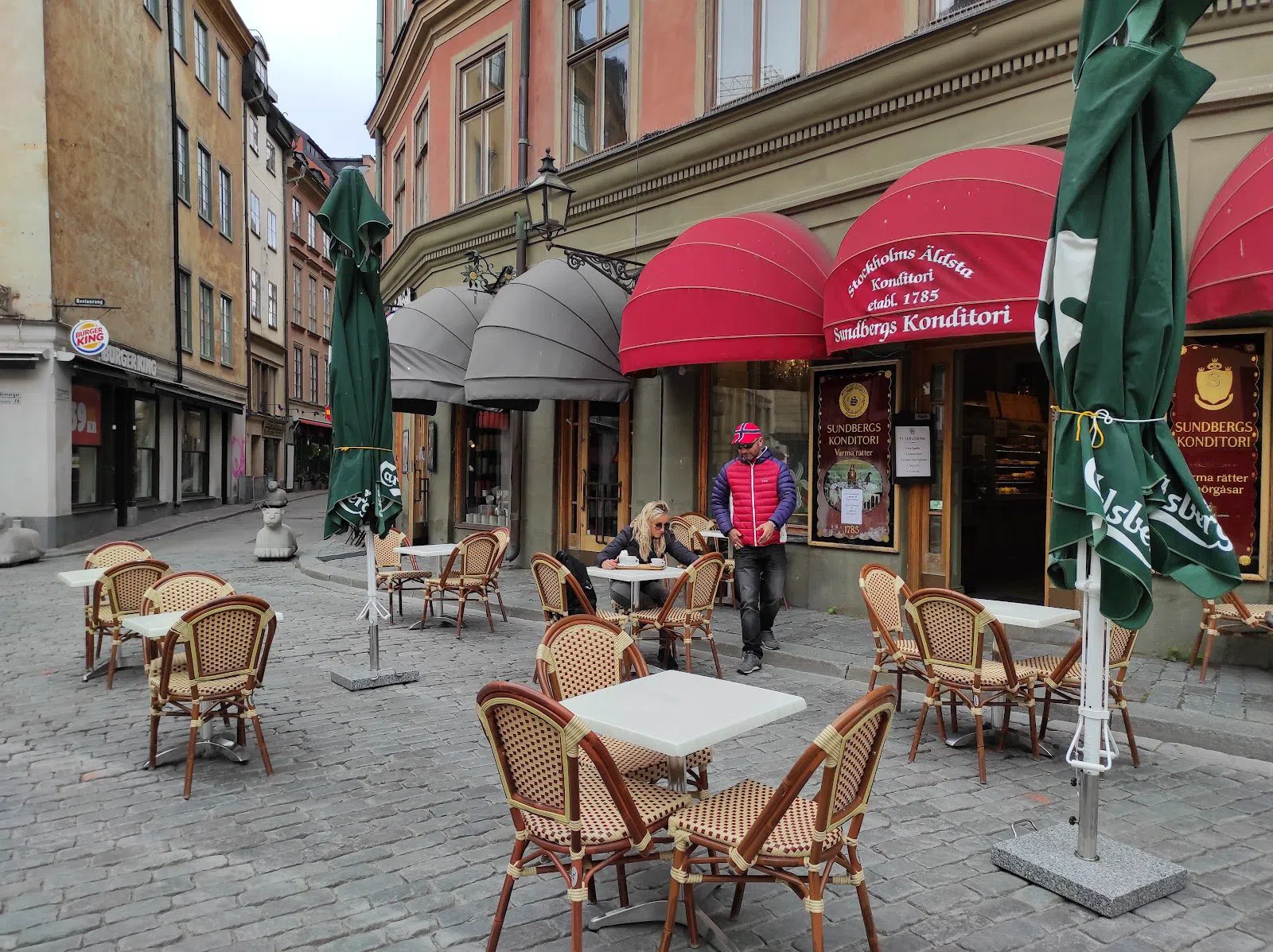
Sundbergs Konditori (Gamla Stan), just off Järntorget, claims to be Sweden's oldest café, dating to 1785, and the interior earns the visit on its own — a genuine time capsule of small, low-ceilinged rooms. That intimacy is also its limit: it is lovely for a pair or a threesome and cramped for anything larger. Come for a slice of Napoleon or a wedge of princesstårta with coffee, around 70–100 SEK, and don't arrive as a group expecting to sit together.
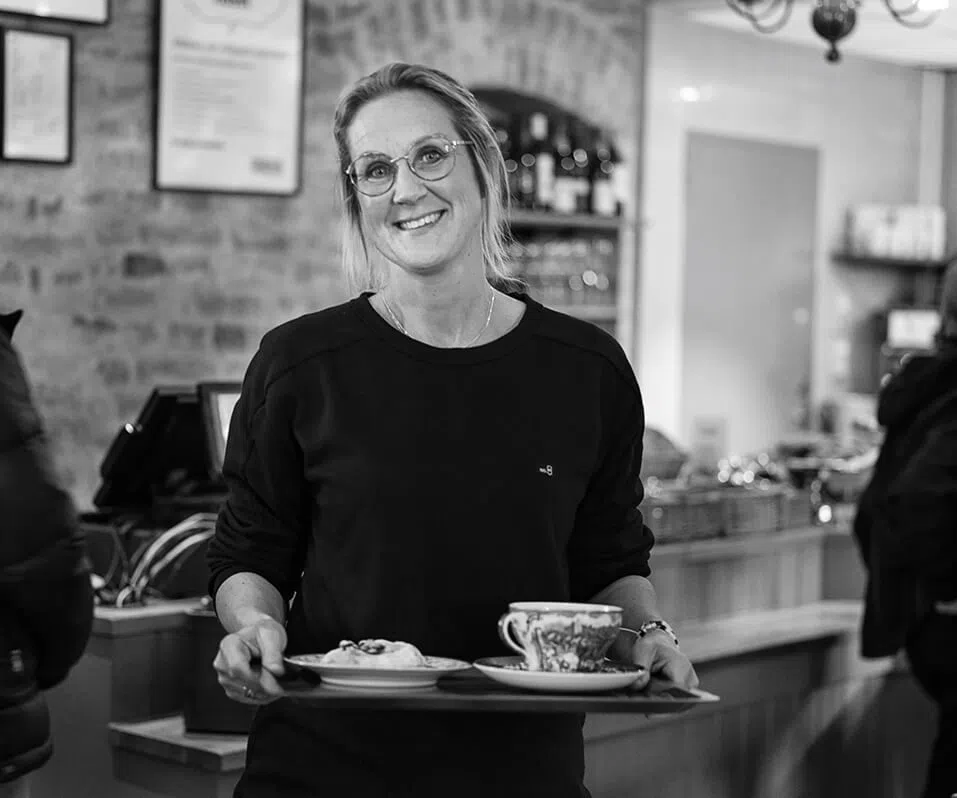
Walk up to Stortorget, the postcard square at the heart of the island, and you'll find Grillska Husets Konditori (Gamla Stan), a social enterprise run by the Stockholm City Mission as a work-training bakery. It is the practical counterweight to Sundbergs: several rooms plus a terrace, mostly self-service, and comfortably able to take a group. The terrace view over the square is the reason to time your arrival for it, weather permitting. Coffee and a bun sits at about 65–90 SEK, and your money is doing something useful while you drink it.
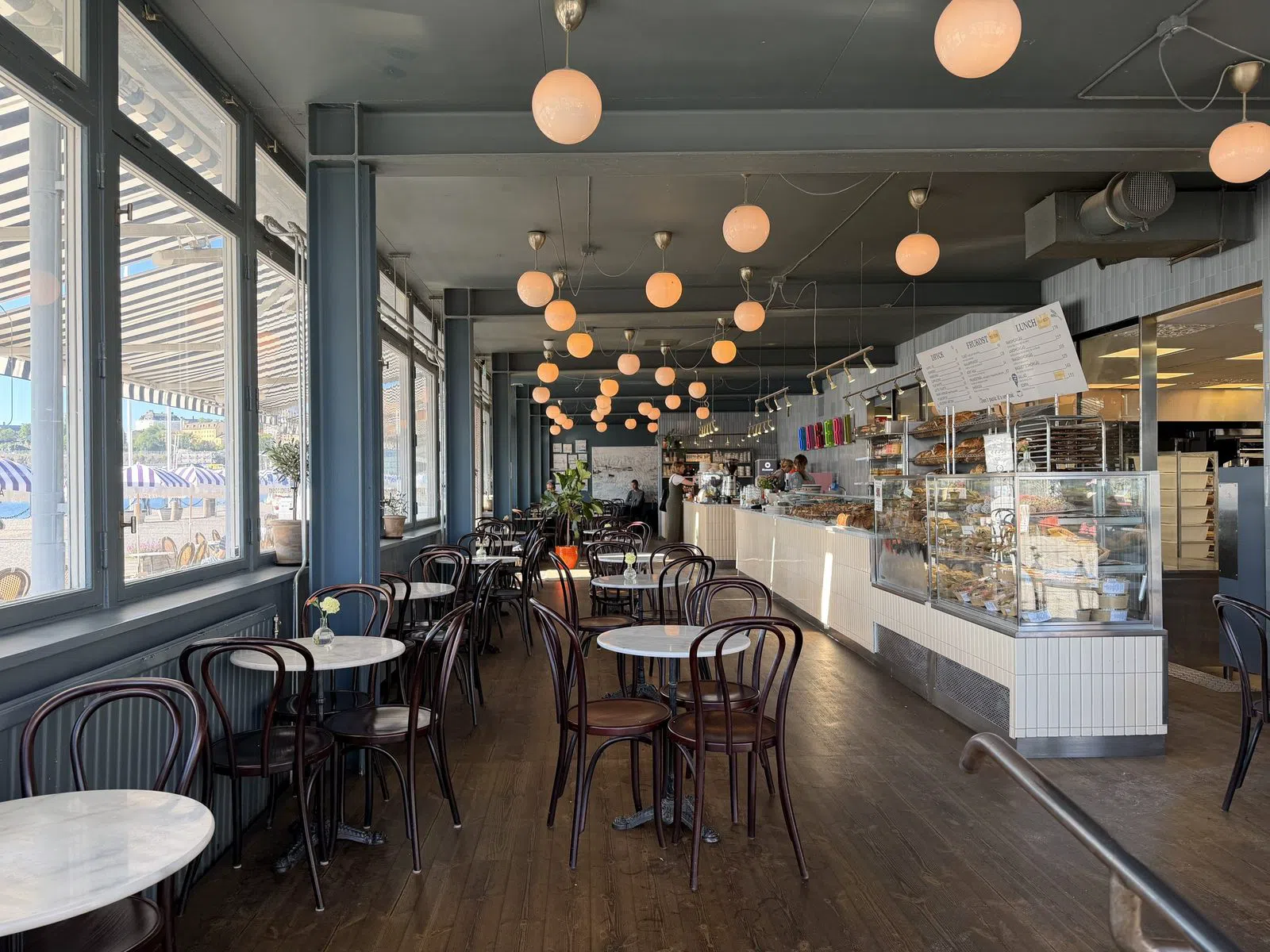
Down on the water at Skeppsbron, facing the harbour, Skeppsbro Bageri (Gamla Stan) is a craft bakery-café worth planning around. It is run by one of Sweden's world-champion bakers, and its kanelbulle has been voted the city's best more than once — this is the pilgrimage bun. Seating is casual and finite, service is over the counter, and groups are welcome as long as you accept you may not all land at one table at peak times. Budget 70–95 SEK for coffee and the bun, and eat it while it is still warm; it does not improve in a bag.
Östermalm: the cinnamon-bun heavyweights
Cross back to the mainland and head northeast into Östermalm, the city's most composed district. It is walkable throughout, and buses along Karlavägen and Valhallavägen close the longer gaps.
Café Saturnus (Östermalm), on Eriksbergsgatan near Tegnérlunden, has traded since 1989 on one thing: an oversized cinnamon bun the size of a side plate, and it remains a dependable crowd-pleaser for visitors from anywhere. There are no reservations, small groups are fine, and on weekends you should expect a real queue for those buns — arrive before eleven if you'd rather not stand. Coffee and the giant bun lands at roughly 90–120 SEK, which is a lot of pastry for the price; one between two is a fair strategy.
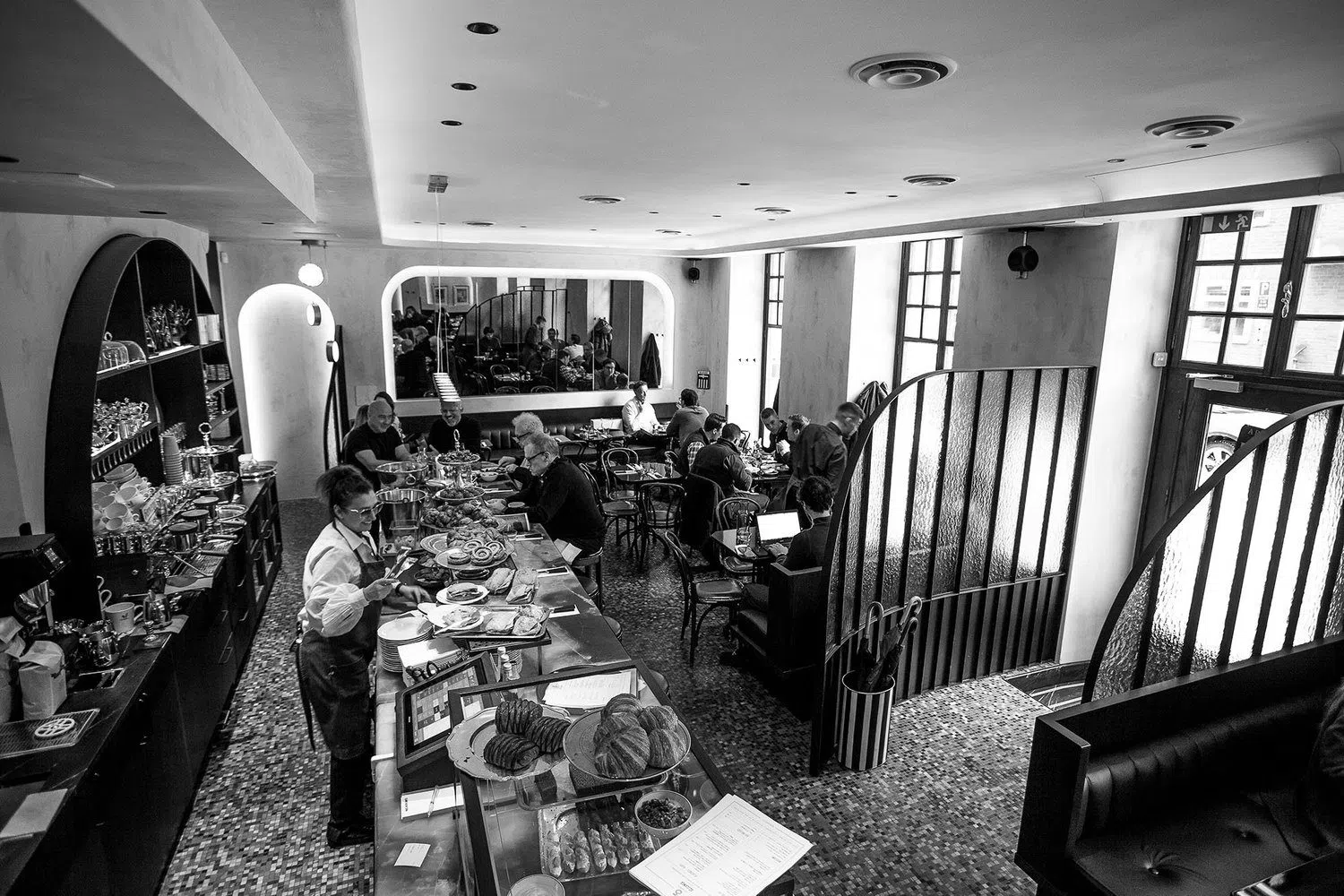
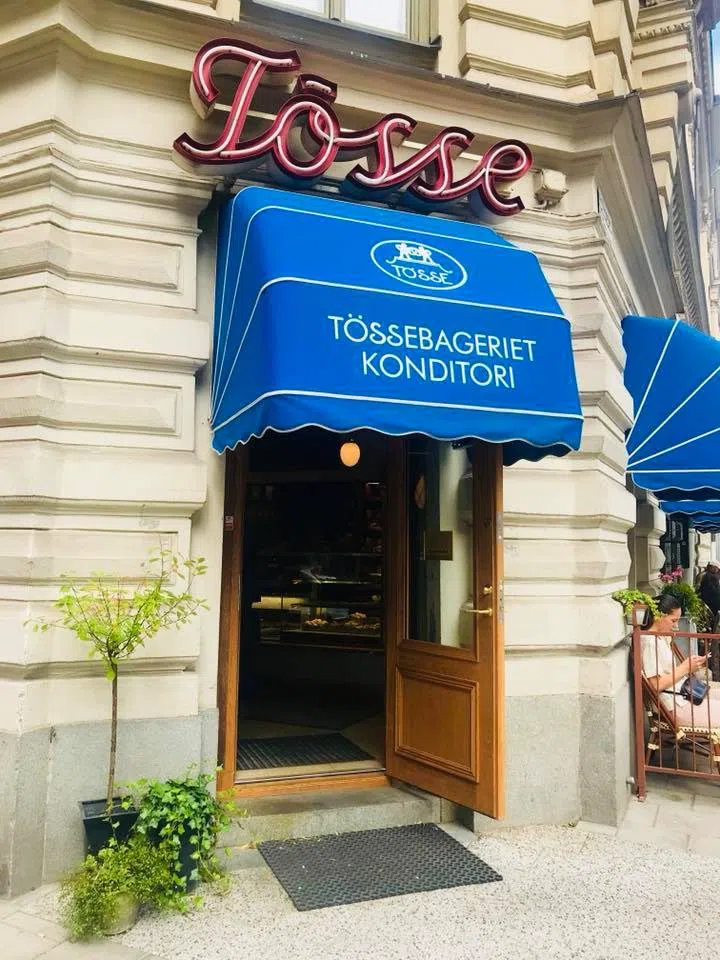
A short walk east on Karlavägen brings you to Tössebageriet (Östermalm), a proper old-guard neighbourhood konditori, mid-sized and walk-in only. It is legendary for its semla — the cardamom bun filled with almond paste and cream traditionally eaten around Lent — and for the viral 'semmelwrap' variation that had the city queuing a few winters back. Small-to-medium groups fit comfortably. Coffee and a pastry runs about 70–100 SEK. If you are here in late winter, this is your semla.
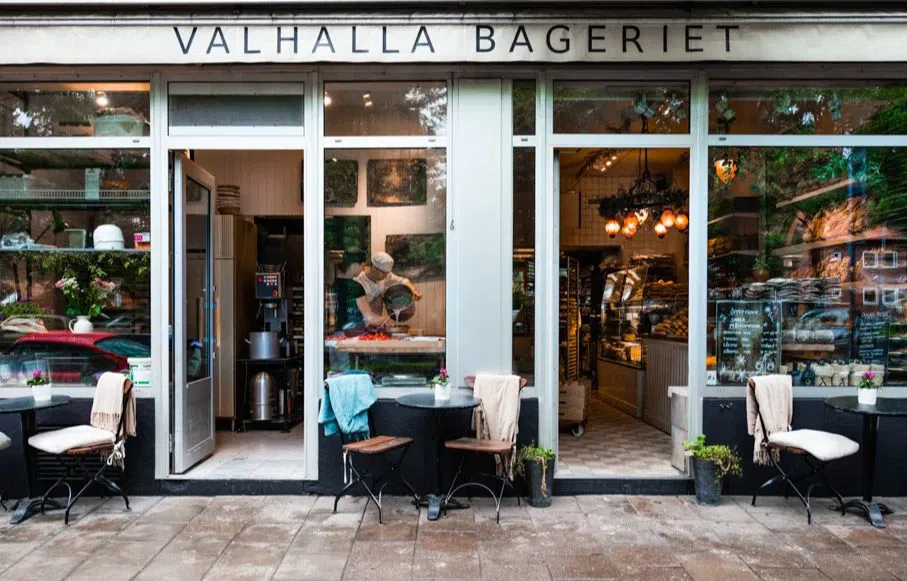
For something rawer, walk up to Valhallavägen and Valhallabageriet (Östermalm), a small craft bakery with the most genuine working-bakery atmosphere in town. Seating is limited and it leans toward takeaway, so it is better for a couple grabbing a bun to eat on a bench than for a sit-down group. Go for the theatre of the bake as much as for the eating; coffee and a bun is around 60–90 SEK. Time it for mid-morning when the ovens are busiest.
Vasastan and Kungsholmen: where locals actually sit
West and north of the centre, the fika gets less photographed and more lived-in.
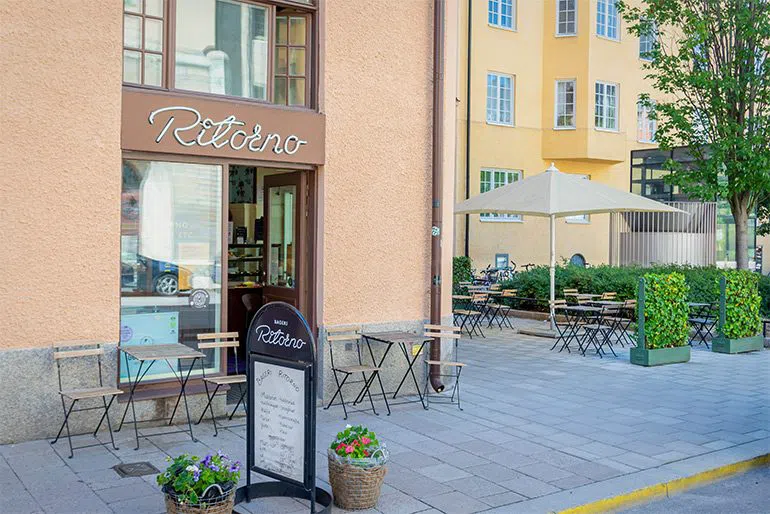
Ritorno (Vasastan), by Odenplan and its T-bana station, is a spacious, unhurried classic café and a Gulddraken 'Best Café' winner, beloved for filter coffee with famously generous free refills. This is where the maths of a long fika tips in your favour: coffee and a bun is about 65–90 SEK, and the bottomless refills mean you can genuinely sit for two hours over the price of one cup. Groups are welcome, it is walk-in only, and the room is large enough to absorb a table of six without anyone glaring. If you want one place to understand why Swedes treat fika as a verb, sit here.
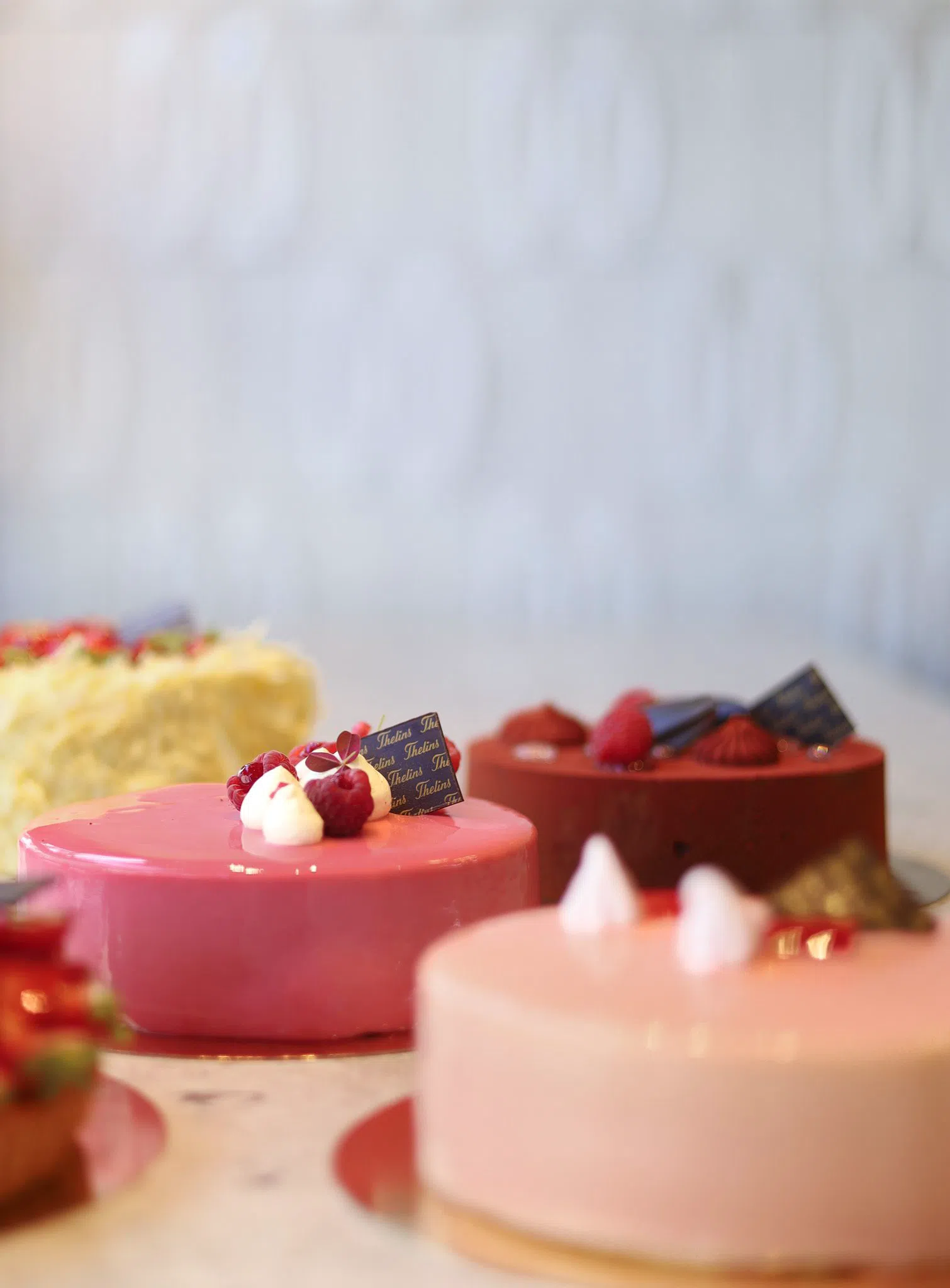
Over on Kungsholmen and beyond, Thelins Konditori (Kungsholmen, multiple branches) is the century-old handcraft chain to know — several sizeable locations that take walk-in groups easily and turn out textbook Swedish classics. Order the prinsesstårta, that dome of sponge, cream and green marzipan, and you'll have the standard against which every other slice on this trail is measured. Coffee and a pastry is roughly 65–95 SEK. It is dependable rather than surprising, which is exactly what you want when you're travelling with people of differing patience.
Södermalm: specialty coffee and an off-trail bun
South of the Old Town, Södermalm is where the coffee gets serious. Take the T-bana to Mariatorget and much of what follows is a walk from there.
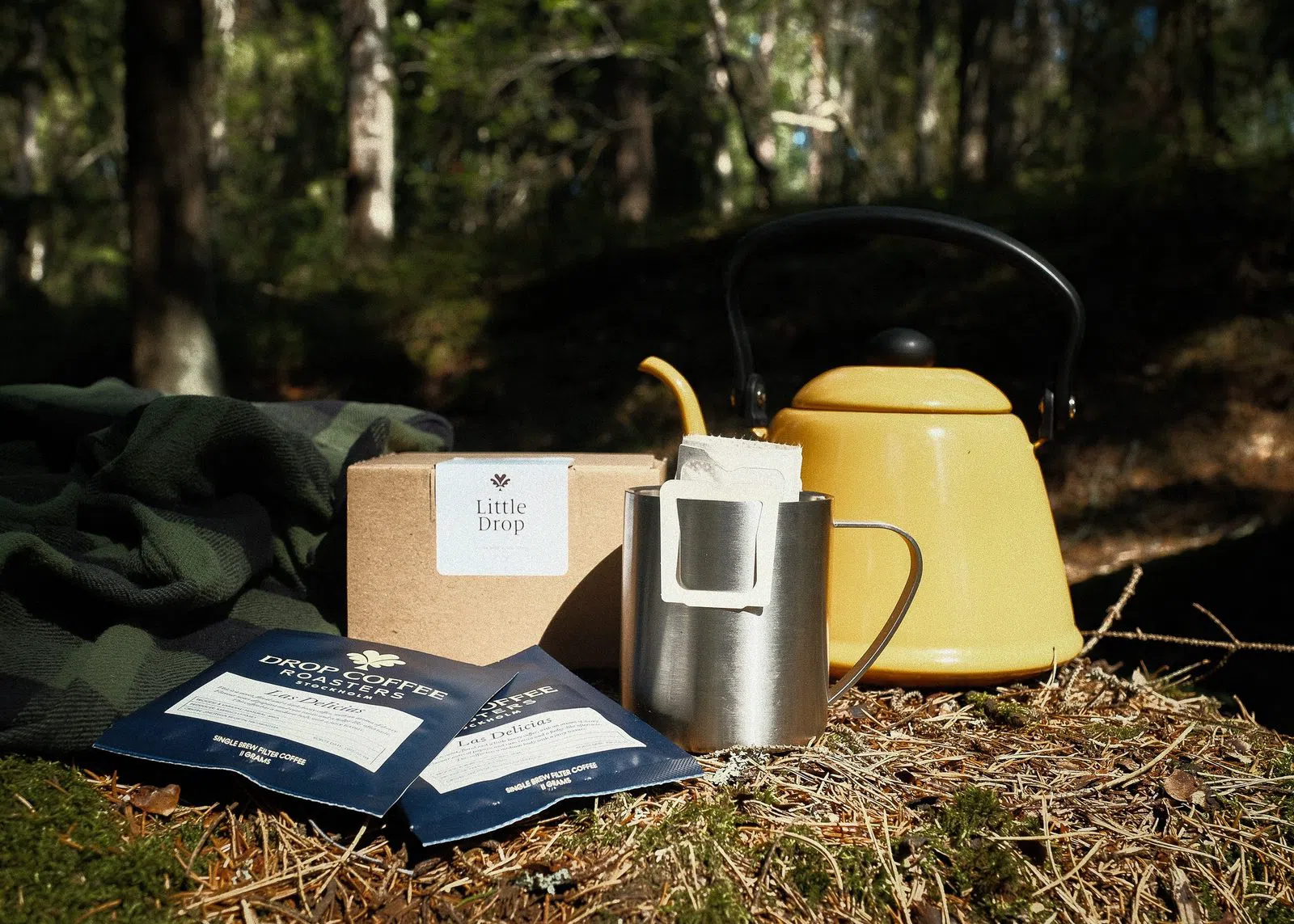
Drop Coffee (Södermalm), near Mariatorget on Wollmar Yxkullsgatan, is an award-winning roaster that helped launch Sweden's Nordic light-roast wave, and it is the address for travellers who care about the cup above the pastry. It is small and busy — excellent for a pair perched at the counter, awkward for a big group. Filter or espresso runs about 40–60 SEK, with pastry extra. Come for the coffee, order whatever single origin they are brewing that day, and don't expect to spread out.

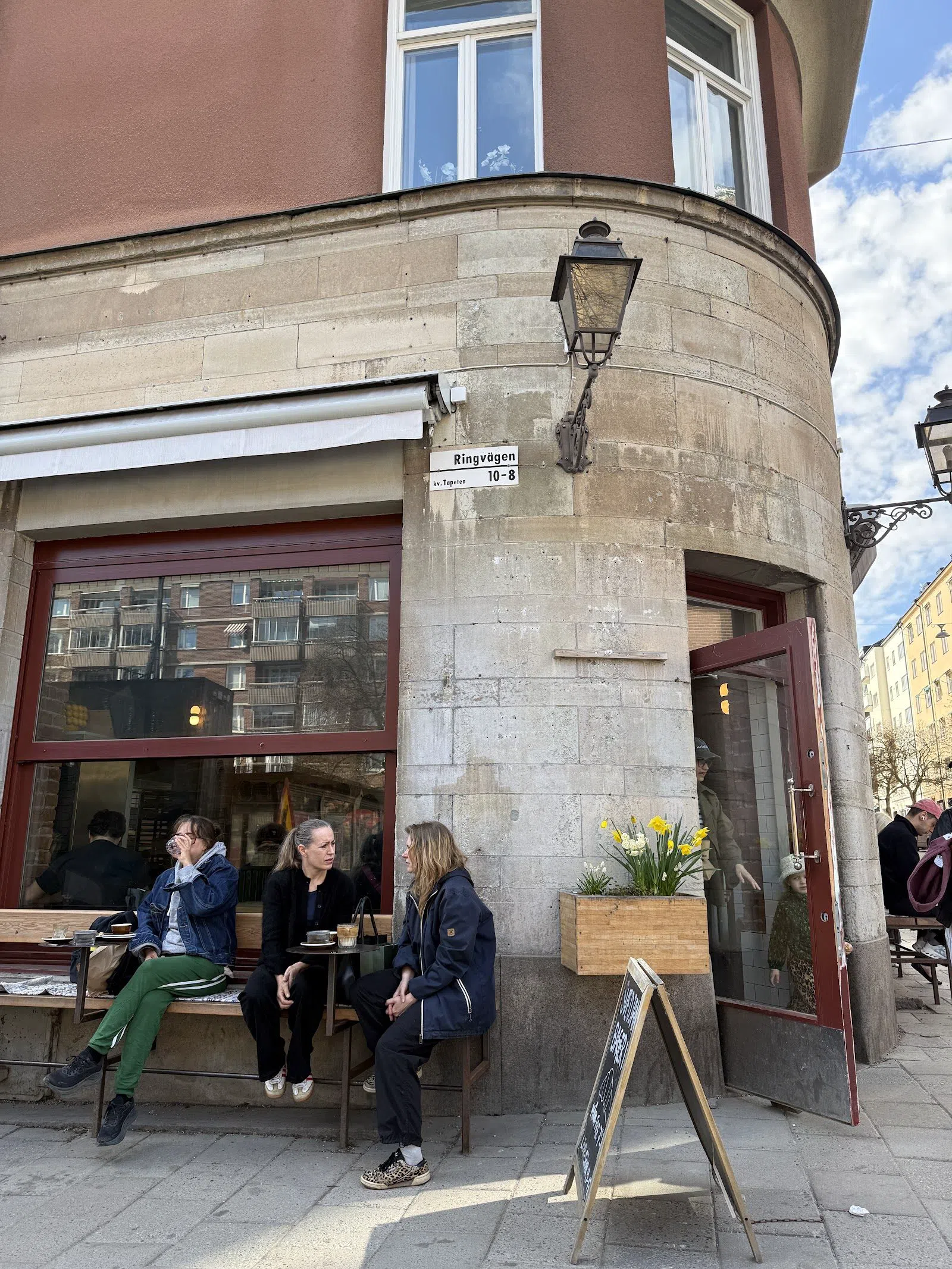
A few minutes away on Swedenborgsgatan, Johan & Nyström (Södermalm) is a pioneering Swedish roaster's concept store spread over more than one level, which makes it far better than most specialty cafés at actually seating a group. Coffee is around 40–65 SEK with fika items extra, and the room is built for lingering. Think of it as the bridge between the light-roast obsession of Drop and the buns-and-armchairs tradition of everywhere else on this list; if your group is split between coffee purists and pastry people, this is the diplomatic choice.
And for the reader who wants to leave the trail entirely, Svedjans Bageri (Södermalm) is a tiny, takeaway-oriented artisan bakery — a genuine local cinnamon-bun gem tucked into Söder's side streets. It is not a group stop and there is little room to sit, so treat it as an insider detour: buy a bun for about 55–85 SEK with a coffee and eat it walking toward the water. Include it because you were curious, not because you needed another table.
Djurgården: the garden fika
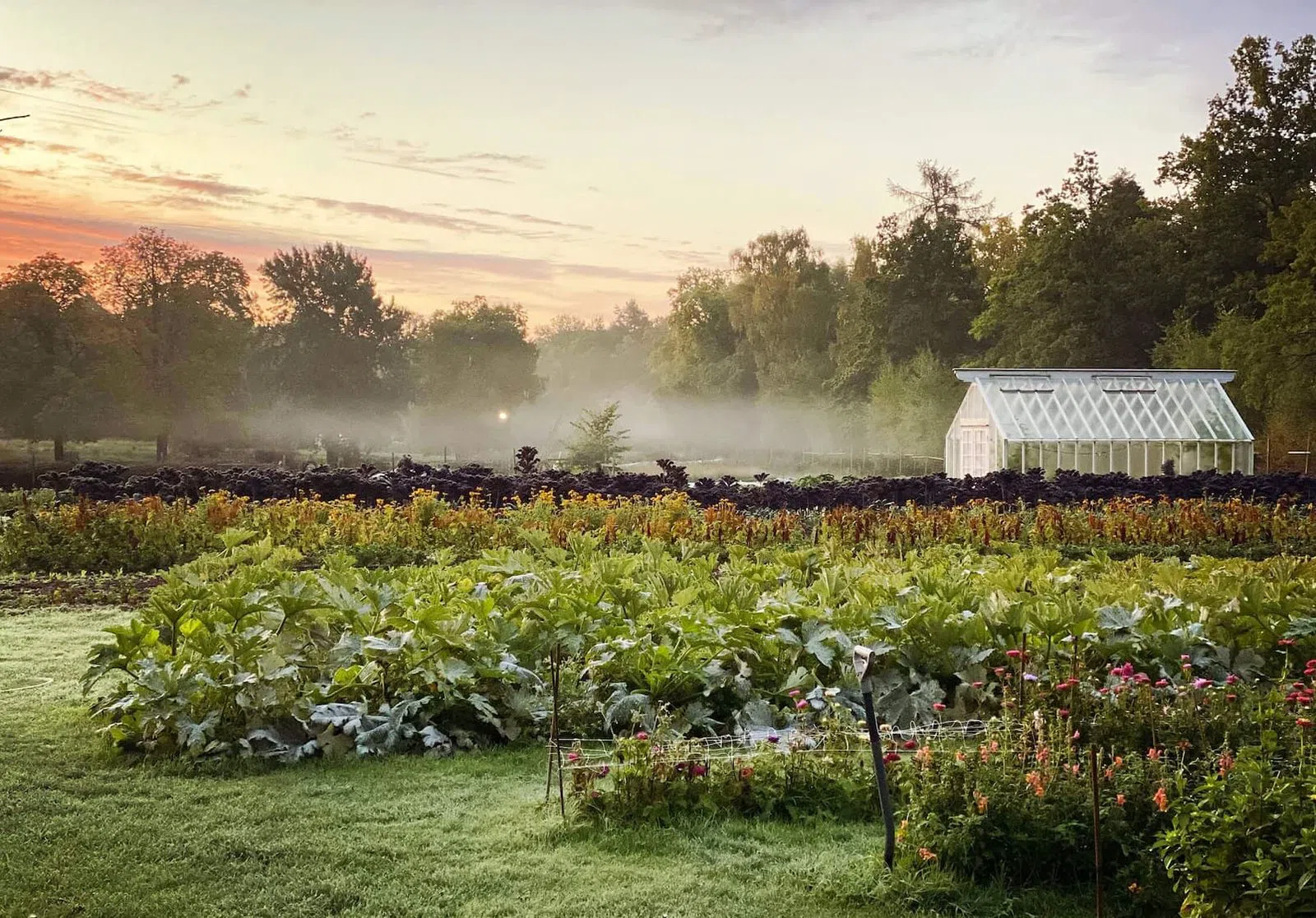
Save this one for good weather and, ideally, for the day you have company. Take tram line 7 from Sergels torg or the seasonal ferry across to Djurgården, the green island, and walk into Rosendals Trädgård (Djurgården), a biodynamic garden café set among orchards and greenhouses. This is the most scenic fika in the city and, hands down, the best choice for a larger group — long communal tables inside and lawn seating under the fruit trees outside. Fika runs about 90–130 SEK, with salad and soup plates priced higher if you make a meal of it. Two cautions worth heeding: the hours are seasonal, fullest between April and September, and off-season it keeps reduced winter hours and closes on Mondays. Check before you make the trip out, because there is little else at that end of the island to fall back on.
Building your own trail
You do not need all fourteen. A tight first day is Vete-Katten, the Gamla Stan trio, and Café Saturnus, all reachable on foot with one short T-bana hop. A coffee-led day belongs on Södermalm — Drop and Johan & Nyström — with Ritorno in Vasastan to prove that filter coffee and a comfortable chair can hold you for an afternoon. Save Rosendals for a bright morning. Wherever you go, order like a Swede: one baked thing, one coffee, no rush.
If you're still mapping the wider trip, the Stockholm guide covers the neighbourhoods these cafés sit in, and it's worth sorting a base early — a room in the City puts Vete-Katten and Gamla Stan within walking distance, while Södermalm suits the coffee-first traveller, so compare a Stockholm hotel search against which end of the trail you most want on your doorstep.
Practical notes
Transport. The trail is genuinely walkable, but the T-bana (metro) links every cluster and a single SL ticket covers metro, bus, tram and the Djurgården ferry within its time window, so tapping a contactless card at the gate is the simplest approach. Tram line 7 is the one for Djurgården; most other stops are a short ride or walk apart.
Cash. Stockholm is effectively cashless — expect to pay by card or phone everywhere on this list, and don't count on being able to spend notes even where you'd like to.
Timing. Weekday mornings and mid-afternoons are calm; Saturday between eleven and two is when the famous buns draw queues at Skeppsbro, Saturnus and Vete-Katten. Buns are best warm and early, so front-load the pilgrimage stops. Check seasonal and Monday hours for Rosendals before heading to Djurgården.
Budget. A standard fika — coffee and one baked item — runs roughly 65–100 SEK at most stops, dropping toward 40–65 SEK if you order only specialty coffee, and rising toward 90–130 SEK at Café Saturnus and Rosendals where the portions or the setting cost more. Ritorno's free refills make it the best value for a long sit. Three or four fikas is a full, generous day; you will not manage more, and you should not try.
Before you go
What exactly is fika, and how do I order one?
Fika is the Swedish ritual of a coffee break paired with something baked — most often a cinnamon or cardamom bun, or a cake slice. To order, ask for a coffee (kaffe) and one baked item; at classic konditori like Vete-Katten you queue at the counter, pay, then find a table. It's meant to be unhurried, so plan to sit rather than take away.
Which Stockholm café has the best cinnamon bun?
Skeppsbro Bageri in Gamla Stan, run by a world-champion baker, has had its kanelbulle voted Stockholm's best more than once. For a famously oversized version, Café Saturnus in Östermalm is the crowd-pleaser, and Fabrique's stone-oven buns are the most convenient citywide. Expect around 70–120 SEK for coffee and a bun depending on the venue.
Do I need to book a table for fika in Stockholm?
Almost never — the cafés on this trail are walk-in only, including Vete-Katten, Café Saturnus and Ritorno. The trade-off is weekend queues between about 11am and 2pm at the popular bun spots. Arrive on a weekday or before mid-morning and you'll usually walk straight in.
Which Stockholm cafés work for a larger group?
Rosendals Trädgård on Djurgården is the best for groups, with long communal tables and orchard lawn seating. Vete-Katten, Grillska Huset, Ritorno and Thelins Konditori also absorb groups well. Small historic rooms like Sundbergs Konditori, and tiny bakeries like Svedjans and Valhallabageriet, suit couples far better than a party of six.
Can I pay with cash, and how much does fika cost?
Stockholm is effectively cashless — bring a contactless card or phone, as many places no longer take notes. A standard fika of coffee and one baked item runs roughly 65–100 SEK, dropping to about 40–65 SEK for specialty coffee alone at Drop Coffee or Johan & Nyström, and rising toward 90–130 SEK at Café Saturnus and Rosendals.