The Stockholm issue
Paddling the Skerries: A Local's Guide to Stockholm's Archipelago by Kayak
How to actually get onto Stockholm's 20,000-island archipelago by kayak in 2026 — the city warm-ups, the guided days, the wild multi-day expeditions, and the operators worth your krona.

By Anneke VisserNeighbourhood by neighbourhood through Stockholm
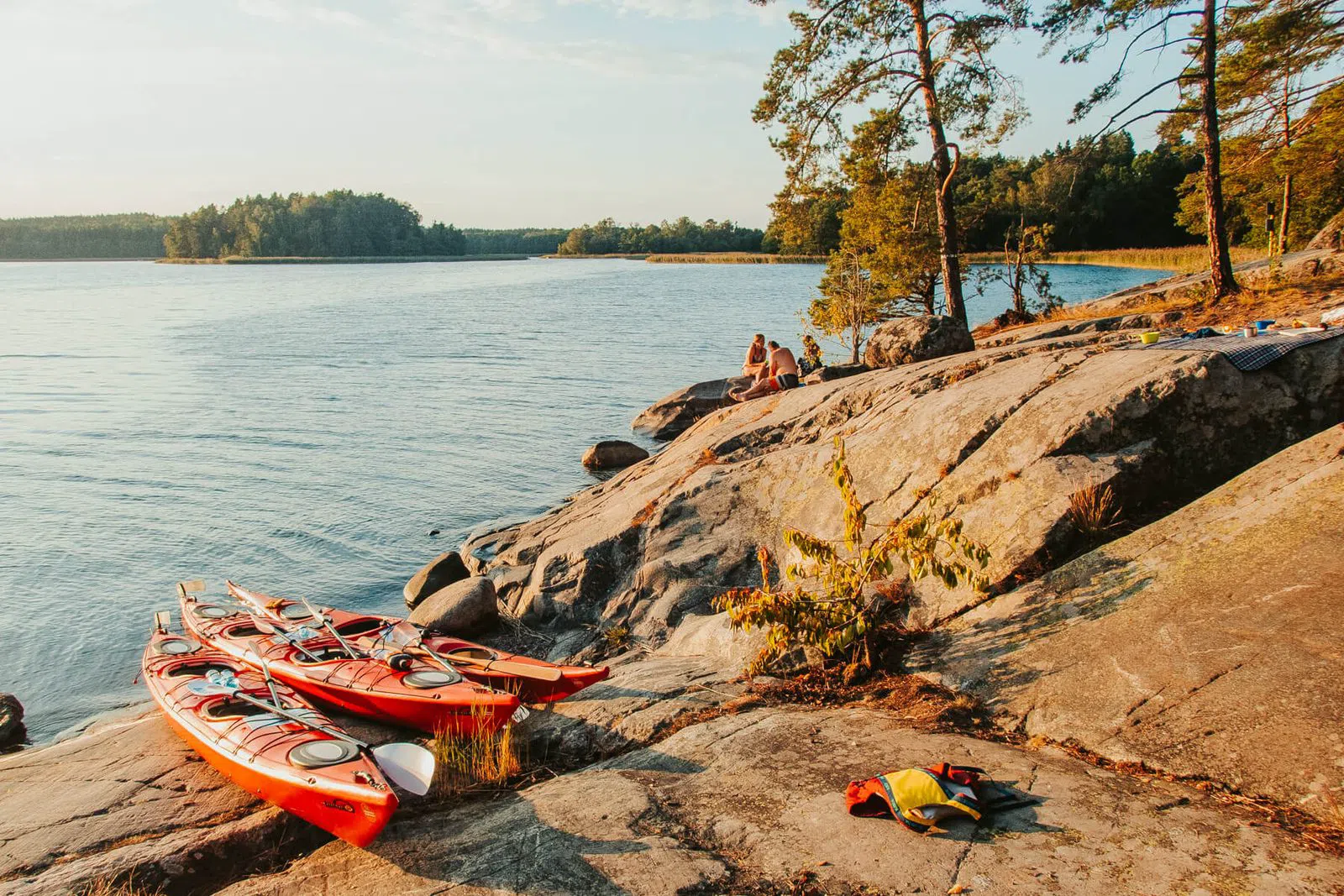
The archipelago doesn't announce itself. You take a bus or a boat east out of the city, the mainland loosens into pine and grey granite, and somewhere past the last jetty the water goes quiet enough to hear your own paddle drip. Around 20,000 islands, holms and bare skerries sit out there, and the plain truth is that a kayak — low, slow, silent — is still the honest way to meet them.
I've paddled most of what follows myself, in weather good and less good, and this guide is built around that: who each operator actually suits, how you reach the launch without a car, and where the difference between an easy afternoon and a real expedition lies. Everything below is a paddling business; for hotels, districts and the rest of the city, the wider Stockholm guide will do you better.
First, read the water
The archipelago runs in bands. The inner zone, closest to the city, is sheltered and wooded — narrow sounds, moored yachts, the odd café jetty. Push east and the islands thin out, the trees give way to wind-scoured rock, and the outer skerries meet the open Baltic with real swell and no shelter. A beginner belongs in the inner band. The outer skerries are for people who can brace, re-enter a capsized boat, and read a forecast.
The season is roughly May to September, with June through August the reliable window — long daylight, water warm enough that a swim off a rock is a pleasure rather than a shock. Wind, not distance, is what shortens or cancels a day here; an exposed crossing that's flat at breakfast can be unpaddleable by lunch. Build in slack, and if it's your first time on this coast, spend a morning in the city getting your stroke back before you commit to open water.
Plan your Stockholm trip
Live prices from our booking partners.
Free cancellation on many rooms. We may earn a commission when you book.
Warm-up paddles inside the city
Neither of these is the archipelago proper, and I'll say so plainly — but both are the right place to remember what a kayak feels like.
Långholmen Kajak (Långholmen, central) sits on the old prison island a short walk from Hornstull on the red metro line. It's Mälaren, the lake side of the city rather than the salt archipelago, but it has the largest, best-value fleet close in — singles, doubles and SUPs from around SEK 175 an hour with jacket, paddle, spray deck and map included, walk-up or pre-booked for groups. If you've never sat in a sea kayak, start here for an hour and you'll launch into the real thing with your balance sorted.
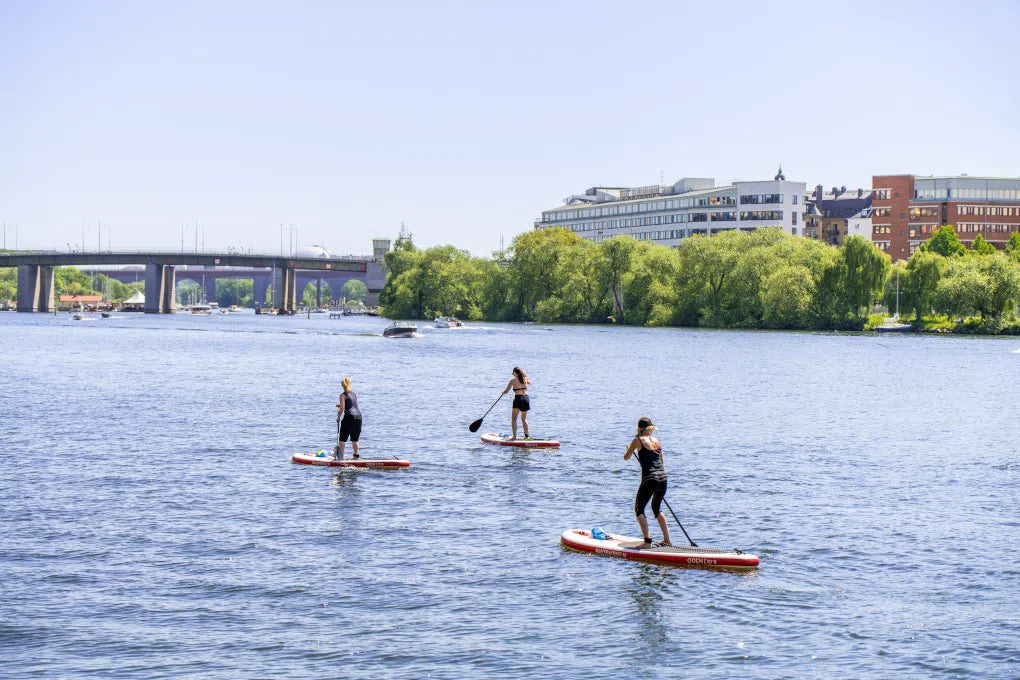
Sjöcaféet Djurgårdsbrunn (Djurgården) is gentler still: a walk-up rental of kayaks, canoes and SUPs on the Djurgårdsbrunn canal, reached by tram 7 from the city centre. Prices sit around SEK 150–200 an hour. This is sheltered, pretty, family-friendly canal water — a contrast and a gateway, not a wilderness. Bring children or nervous first-timers here; don't come expecting horizon.

One well-run guided day
If you have a single day and a group of mixed ability — some confident, some who've never held a paddle — a guided day tour is the sensible choice. You get a safety brief, a route matched to the wind, and someone who knows which sound to duck into when it turns.
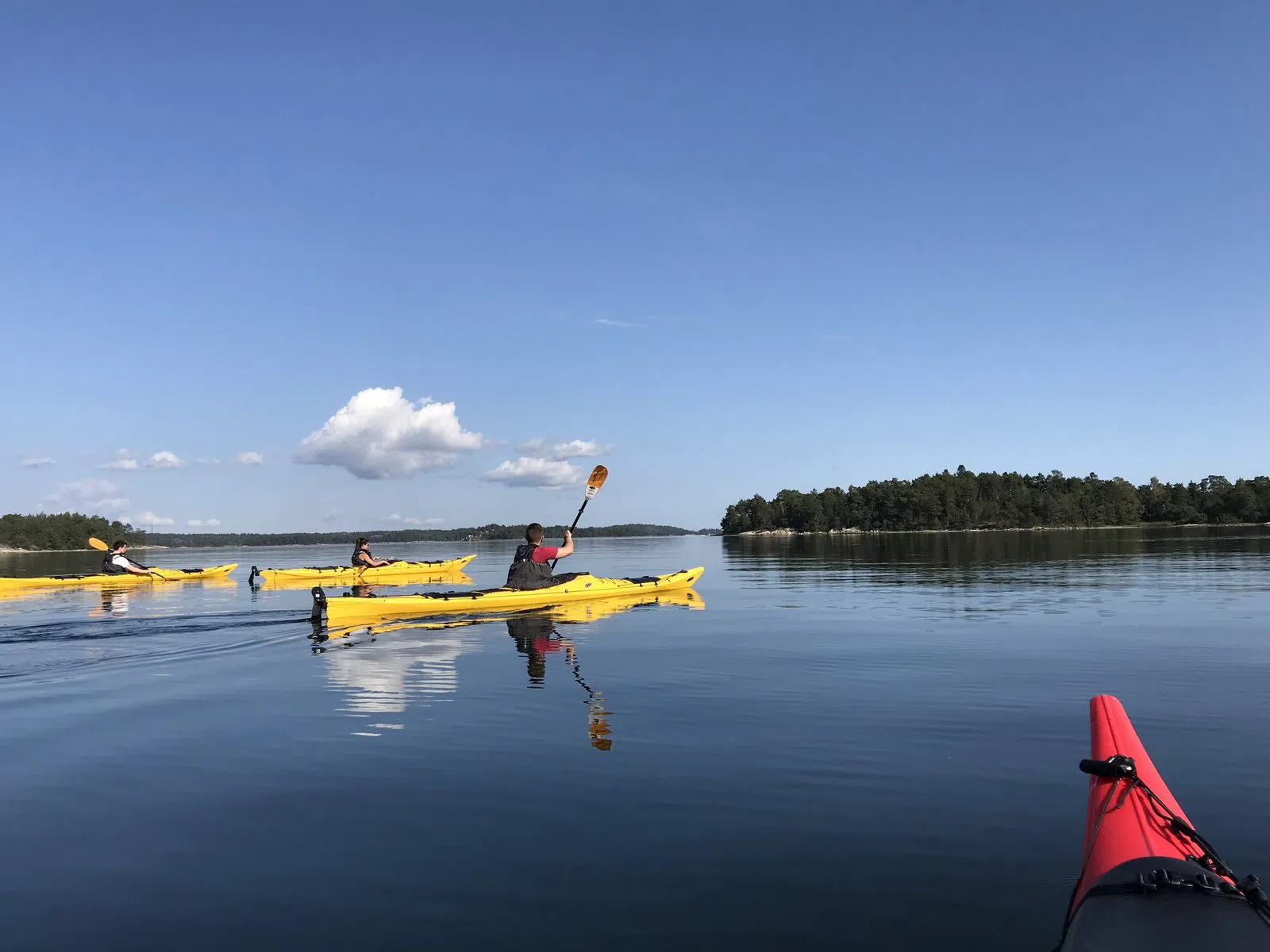
True Nature Sweden (mid archipelago) runs small, beginner-friendly departures capped at eight, and its smartest feature is a two-base setup that lets the guide switch launch points to dodge a bad wind — the thing that most often ruins a day out here. Half days are around SEK 1,450 and full days about SEK 1,750 at 2025 rates, with private group bookings available. For a mixed UK group wanting one properly run day on the water, this is my first suggestion.
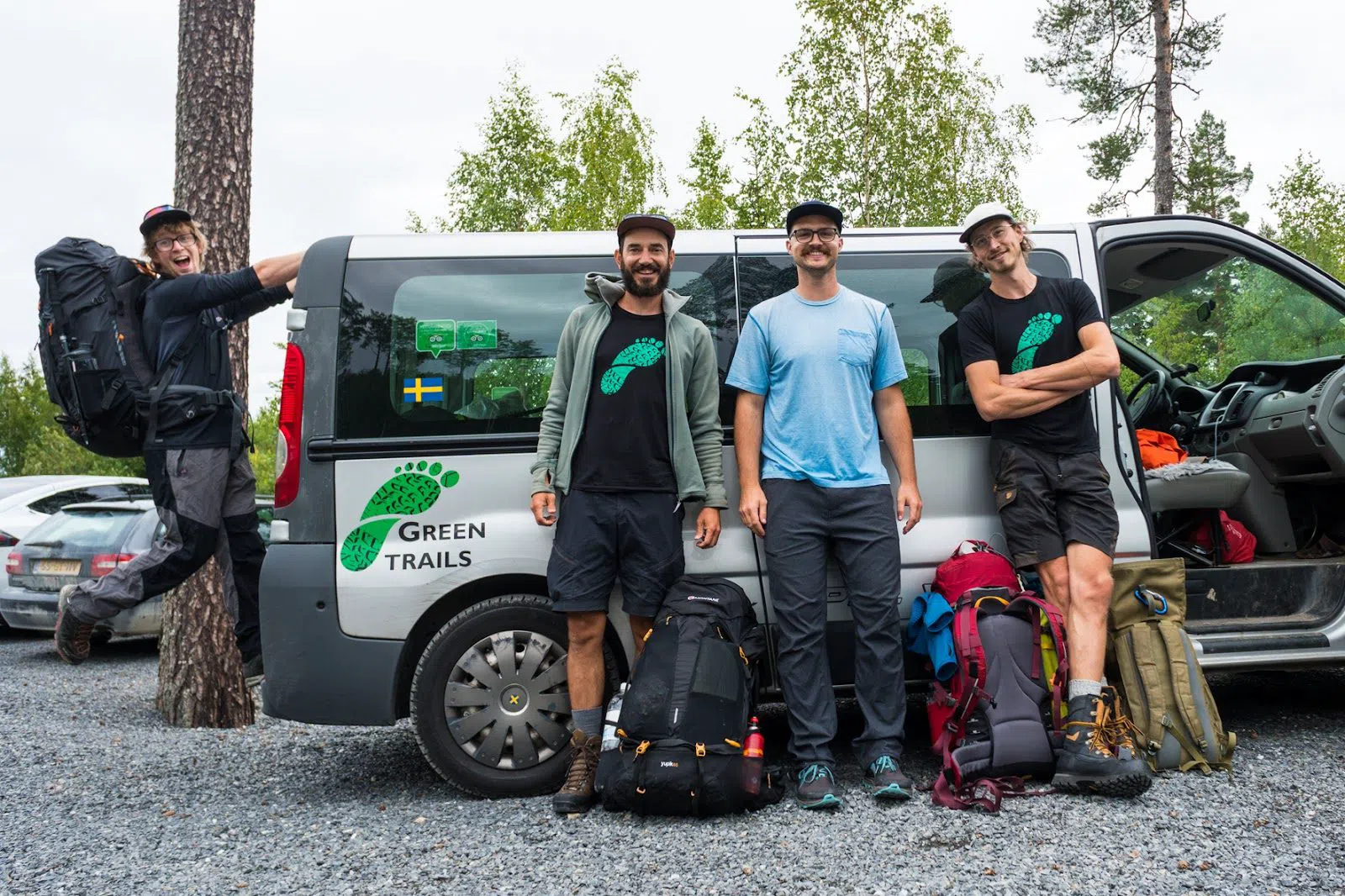
The Green Trails (guaranteed departures) keeps groups to three to six per guide, maximum eight, and — usefully — runs guaranteed departures with no minimum number. That matters if you're a solo traveller or a couple: your trip won't be cancelled because nobody else booked. They pair the paddle with a short viewpoint hike, so you get a stretch of legs and a view as well as the water. Prices are on booking; expect standard day-tour rates.
Stockholm Kayak and Hike (Saltsjöbaden) is the one to know if you're carless. Its archipelago route starts right at Saltsjöbaden, the end of the Saltsjöbanan light rail from Slussen — you step off the train more or less onto the launch. Guided small-group days are priced on request, and again the format is paddle-plus-hike. For UK visitors on public transport, that door-to-water simplicity is worth a lot.
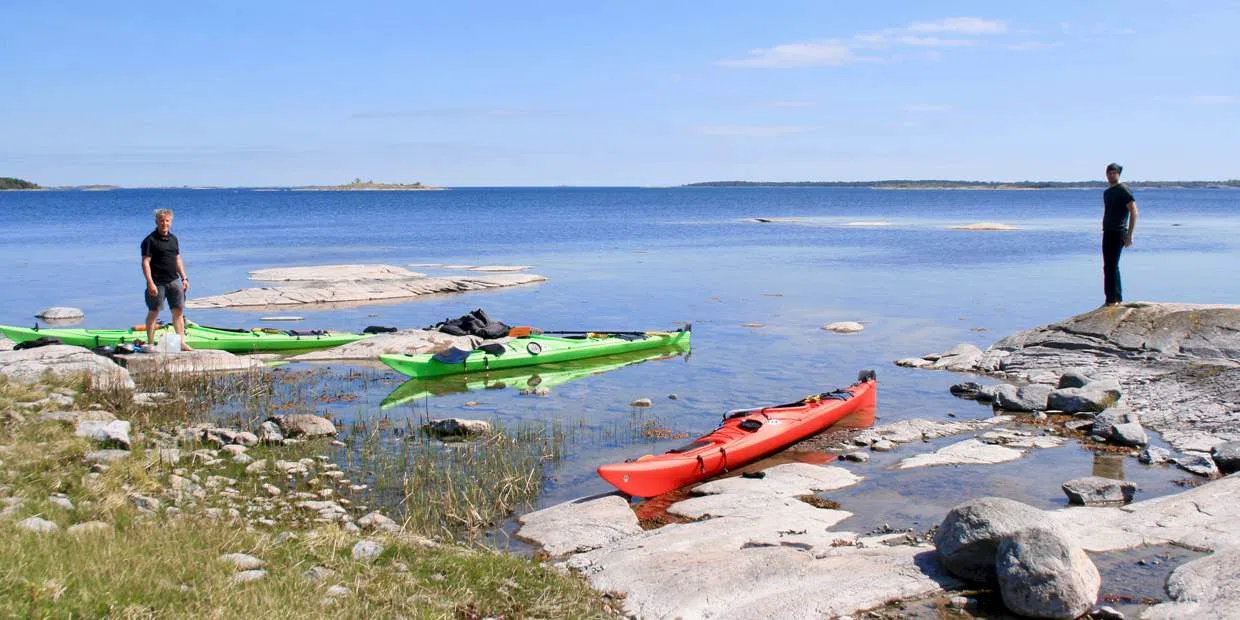
Stockholm Adventures (central base) has the broadest menu of anyone: short city tours from around SEK 745, self-guided rentals from about SEK 389, and full archipelago days from roughly SEK 1,990, with private and group requests catered for. If your group wants to warm up on a city paddle one day and commit to a full archipelago day the next, they can sell you both without you juggling operators.
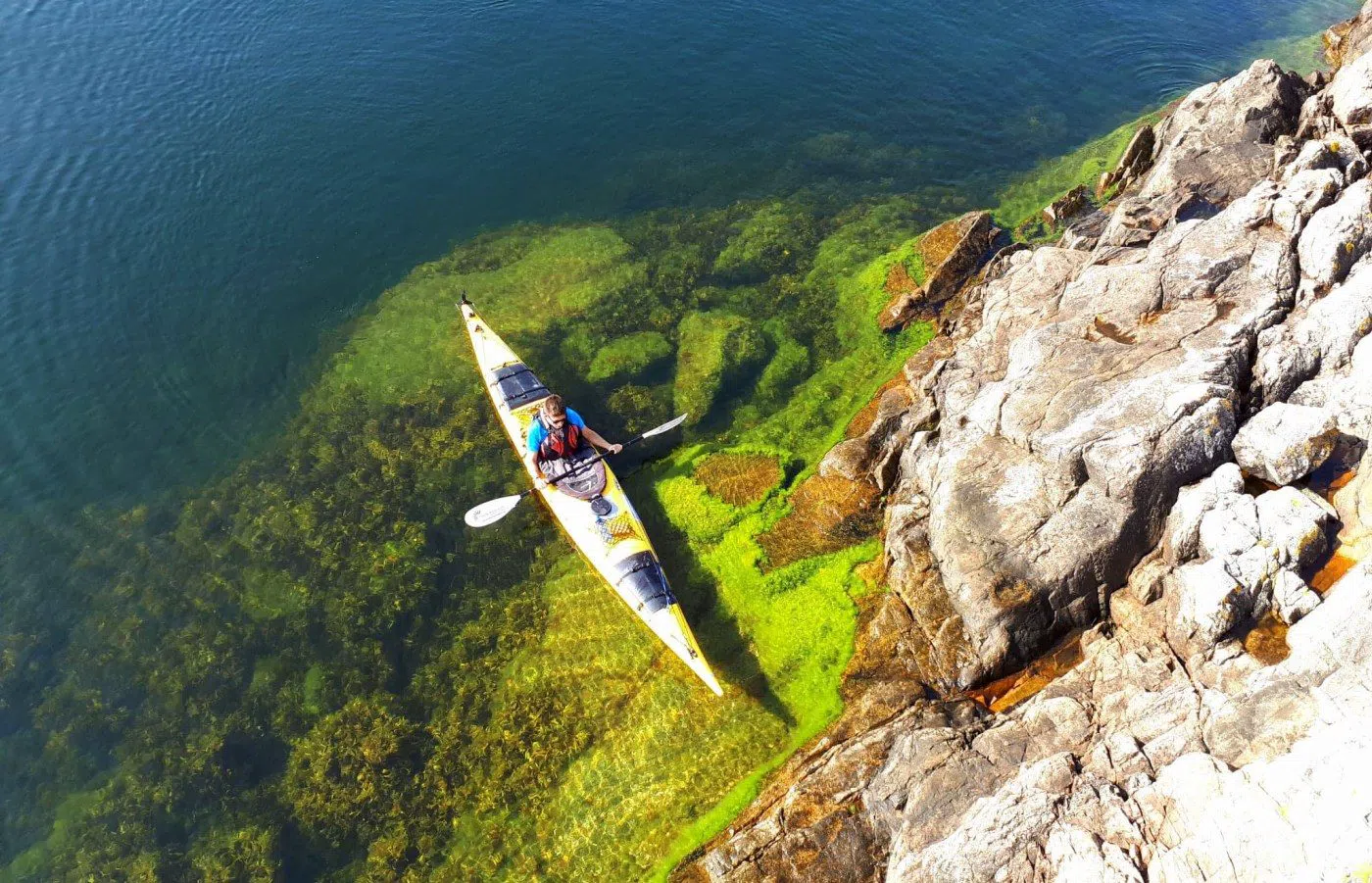
Bringing a group — or a company
Groups change the maths. Most small operators cap at eight per guide, so a party of twenty means multiple guides, multiple boats, and a booking that has to be built rather than clicked.
Skärgårdens Kanotcenter (near Vaxholm, ~30 min out) is built for exactly this. It handles companies, conferences, scouts and student groups up to 100 participants, alongside small-group public day tours, and it's only about half an hour from the city — the easiest logistics of any operator here. The range runs from three-hour sunset paddles (around SEK 600–800) to full-day island tours (SEK 1,200 and up) and multi-day camps, with rentals from about SEK 400 a day. There's a seaside sauna, which is a genuine draw after cold water rather than a gimmick. For a UK group of any size wanting one operator to handle everything, start your enquiries here.
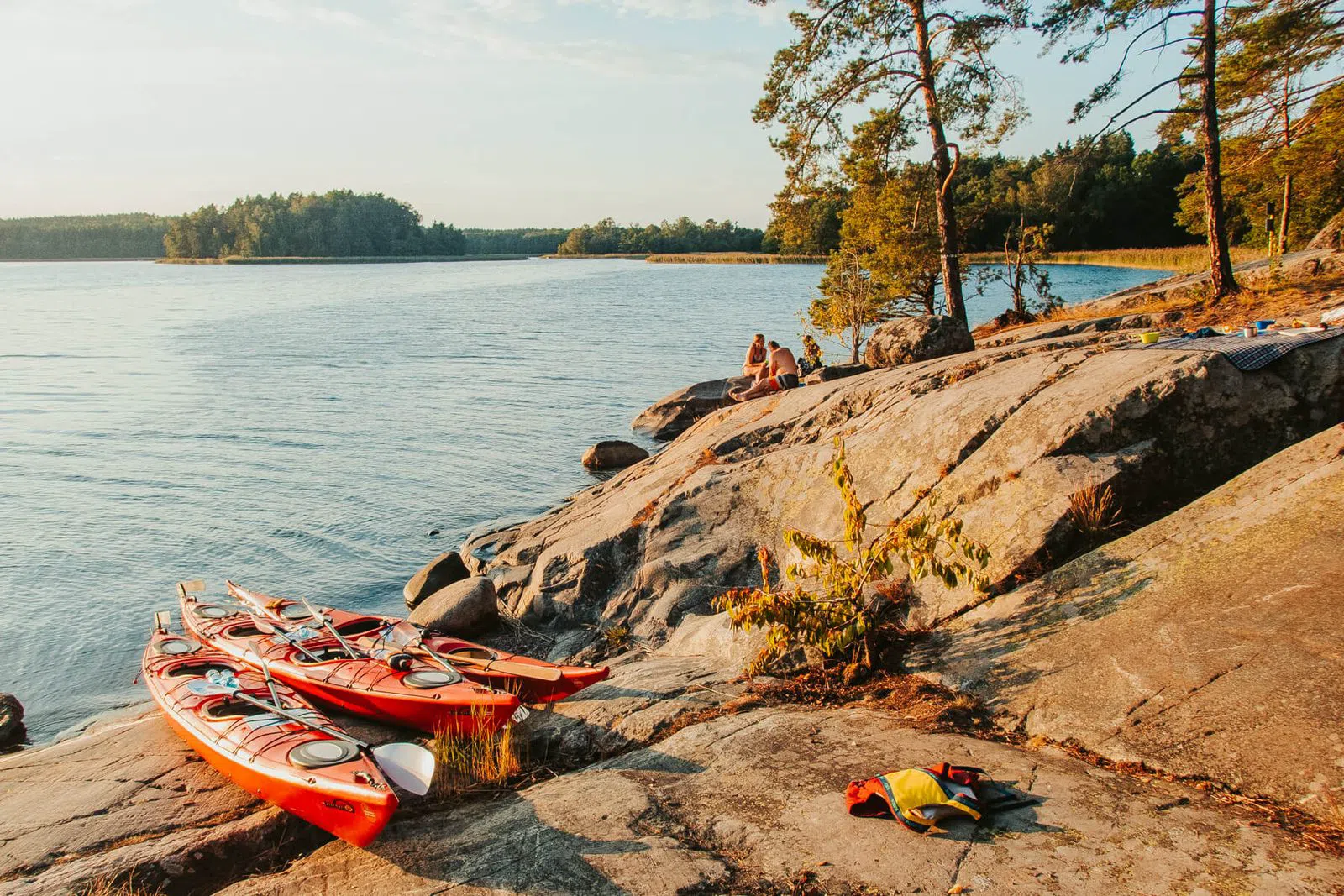
Worth knowing: the multi-day specialists below also run dedicated corporate or large-group arms for booked-out private departures, so if your group is confident and wants something wilder than a day tour, you're not limited to the day operators.
The real expedition: multi-day through the skerries
This is where the archipelago rewards you properly — camping on a bare holm, cooking on a rock, waking to flat water and no one else in sight. It also asks the most of you.
The Kayak Trail (the outer skerries) is the specialist for genuine wild-camping expeditions. Guided trips run two to six people, with self-guided packages from around SEK 6,100 per person and three-day guided trips from about SEK 8,700 per person; there's a dedicated corporate and large-group arm for private, booked-out departures. This is the real multi-day trip through the outer islands, and it suits a confident group — people comfortable with open crossings, changeable weather and self-sufficiency. Don't book it as your first-ever sea paddle.
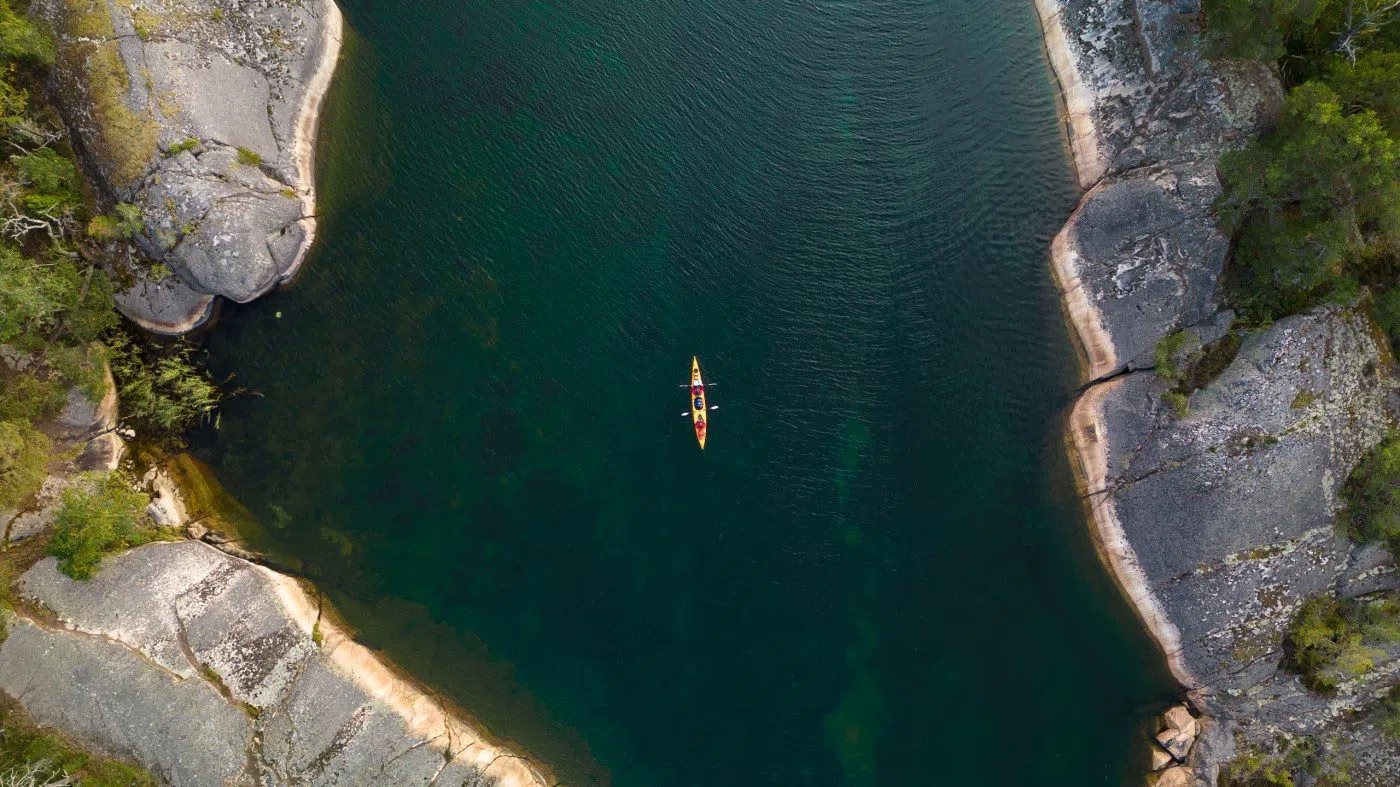
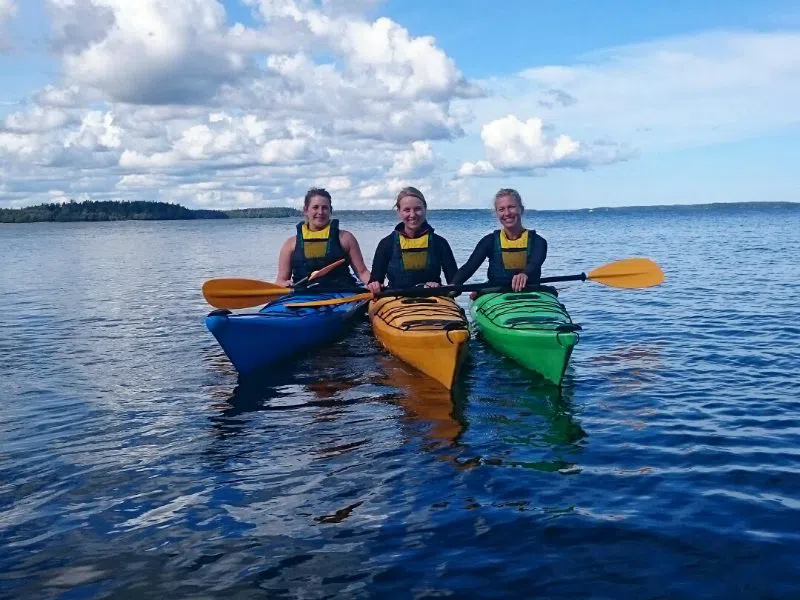
Kajak & Uteliv (Roslagen / Furusund, north) is the quieter alternative to the Vaxholm side. It's up in Roslagen, the northern reach of the archipelago, and offers rentals, courses and guided trips from a day to a week, with a genuine inner-to-outer gradient so you can grade the difficulty as you go. Rentals start around SEK 400 a day; guided and all-inclusive multi-day trips are priced on request, and the booking form takes group numbers (the Furusund base is by pre-booking only). If your group wants space and fewer boats around them, this is the direction to head — though you'll want a car or a careful look at the northbound bus times to reach it.
Doing it yourself
If you can already paddle, self-service is cheaper and gives you the run of your own day. It also means no guide, no safety brief and no one checking the forecast for you — so this is for competent paddlers only.
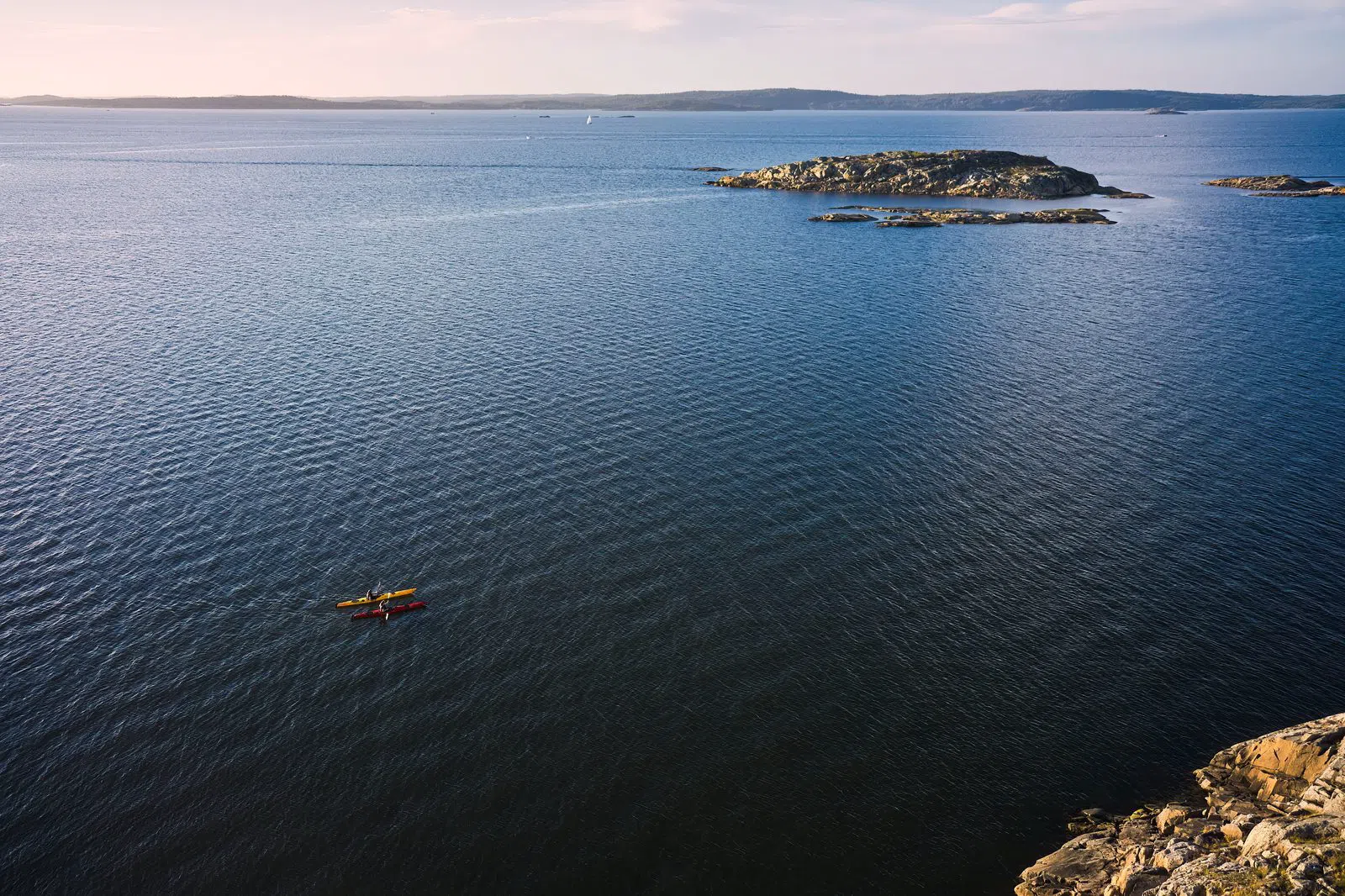
ArcAdventure (the southern archipelago) is the pick for independent, self-reliant paddlers. You book online, get a code, and launch into the quieter southern reaches with no guide overhead; rentals run roughly SEK 400–600 a day depending on station. They also sell packaged tours with restaurant meals and hotels if you'd rather someone else joined the dots. The southern archipelago sees fewer boats than the Vaxholm channels, which is part of the appeal.
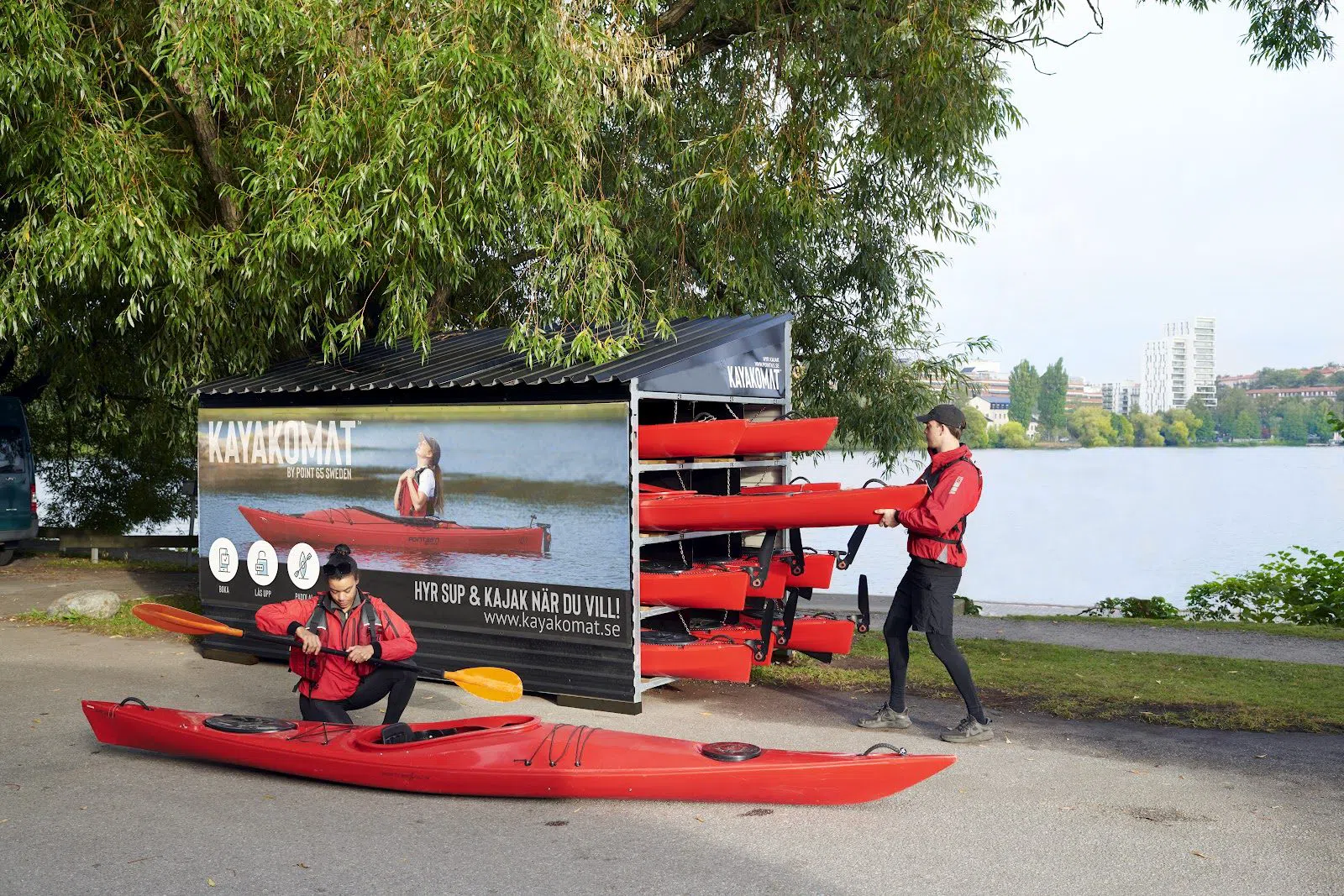
Point 65 KAYAKOMAT (self-service network) is the cheapest and most flexible option going. It's an app-based rental network with stations scattered across archipelago spots, multiple craft per station, from around SEK 150–200 an hour with day rates available — ideal for a self-organising group splitting several kayaks. The trade-off is real: it's pure DIY, with no guiding and no safety brief. Treat it as gear hire, not a tour, and only use it if you and everyone with you can look after yourselves on the water.
Booking from Britain
If the thought of Swedish booking sites and paying in kronor puts you off, there's a low-friction route. Nature Travels (UK-based booking agent) is a Dorset company selling guided archipelago trips in pounds sterling with UK financial protection (ABTOT). Tours are capped at eight, private group departures can be arranged, and no experience is needed; the three-day guided trip is sold at a set per-person price billed in GBP. You pay a British business, you're financially covered, and you skip the currency friction entirely — the easiest way for a UK reader to commit before leaving home.
Practical notes
Getting there. Most launches are reachable on public transport with a bit of planning. Saltsjöbaden is the end of the Saltsjöbanan light rail from Slussen; Långholmen is a walk from Hornstull on the metro; Djurgården is tram 7 from the centre. Vaxholm and the closer island operators are served by SL buses and by Waxholmsbolaget ferries from Strömkajen — check both, as a boat is sometimes quicker than the bus. The northern Roslagen bases are the hardest to reach without a car; look at the northbound bus times before you commit, or hire a car for those.
Cash. You'll rarely need it — this is close to a card-only country, and cash machines are scarce to non-existent on the islands. Bring a contactless card that doesn't charge foreign-transaction fees, and don't rely on finding an ATM once you've left the mainland.
Timing. Aim for June to August for warm water and long light. Book guided days a few weeks ahead in high summer, and always keep a spare day in your plan for wind — an exposed route can be off the table on short notice, and the good operators will move or postpone rather than push you out in a blow.
Budget. Reckon on roughly SEK 150–200 an hour for city and self-service rentals, SEK 600–800 for a sunset paddle, SEK 1,450–1,990 for a guided day, and from around SEK 6,100 per person upwards for multi-day expeditions. A seaside sauna after cold water is worth the small extra where it's offered.
Where to stay. Base yourself in the city and day-trip out, or stay a night near your launch for the northern and outer trips; the Stockholm hotel search will sort accommodation to match whichever end of the water you're paddling.
Before you go
Do I need kayaking experience to paddle the Stockholm archipelago?
No — for guided day tours and beginner-friendly operators like True Nature Sweden or The Green Trails, no experience is needed, and city gateways such as Långholmen Kajak or Sjöcaféet Djurgårdsbrunn are ideal warm-ups. Only the outer-skerry, self-service and multi-day expedition options assume you can brace, re-enter a capsized boat and read a forecast.
When is the best time of year to kayak the archipelago?
May to September is the season, with June to August the reliable window for long daylight and water warm enough to swim. Wind, not distance, decides whether a day happens, so always keep a spare day in reserve and book guided trips a few weeks ahead in high summer.
How do I reach the launch points without a car?
Several are easy on public transport: Saltsjöbaden is the end of the Saltsjöbanan light rail from Slussen, Långholmen is a short walk from Hornstull on the metro, and Djurgården is tram 7 from the centre. Closer island operators are served by SL buses and Waxholmsbolaget ferries from Strömkajen; the northern Roslagen bases are the ones where a car really helps.
Is it cheaper to rent and self-guide or book a guided tour?
Self-service is cheaper — Point 65 KAYAKOMAT rents from around SEK 150–200 an hour and ArcAdventure from roughly SEK 400–600 a day — but you get no guide and no safety brief, so it suits competent paddlers only. A guided day (roughly SEK 1,450–1,990) buys you a briefing, a wind-matched route and someone who knows the water.
Can I book a Stockholm archipelago kayak trip from the UK in pounds?
Yes. Nature Travels is a Dorset-based agent selling guided archipelago trips in GBP with UK financial protection (ABTOT), capped at eight per tour with private group departures available and no experience required — the simplest way to book and pay before you leave home.