The Stockholm issue
Gamla Stan After the Cruise Ships Leave: Stockholm's Old Town in Its Own Hours
When the day's 8,000 cruise passengers filter back to the water, Stockholm's medieval island stops performing and starts living — here is where to eat, drink and walk once the square goes quiet.

By Anneke VisserNeighbourhood by neighbourhood through Stockholm
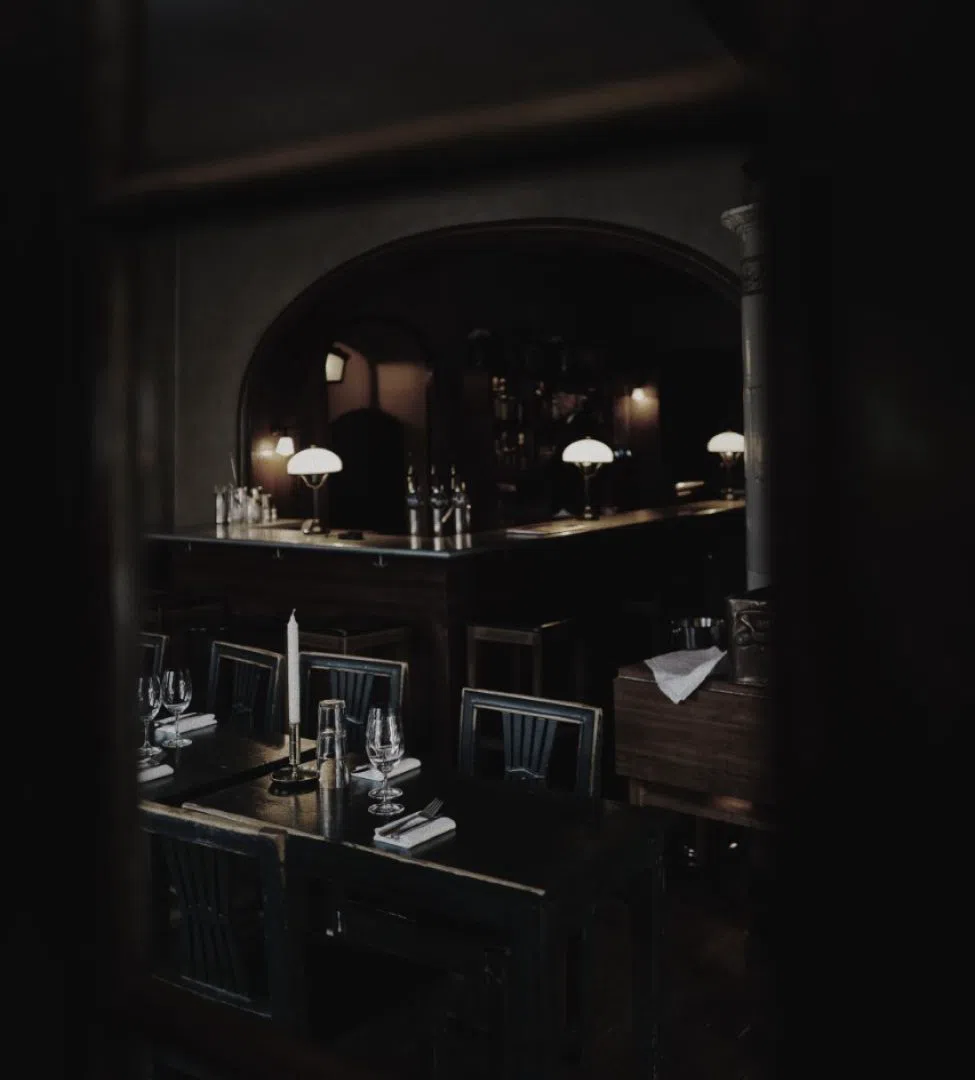
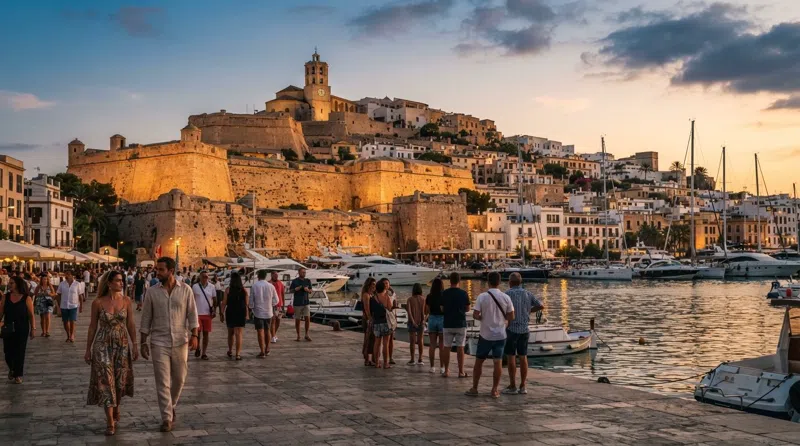
By four in the afternoon the light over Gamla Stan begins to change, and so does the island. The last cruise groups thread back toward Skeppsbron and the waiting ships, the selfie sticks fold away, and the ochre and blood-red facades that have stood since the 1600s stop being a backdrop and become a place where people actually live. This is the hour the Old Town keeps for itself, and it is by some distance the best time to be here.
Most visitors experience Gamla Stan as a daytime crush — Västerlånggatan shoulder to shoulder, queues at the Royal Palace, the same postcard shot of Stortorget taken 8,000 times before lunch. What they miss is the second act: candlelit cellars four centuries deep, tiny squares where Stockholmers do their actual drinking, and lanes so narrow and so far off the tour route that at nine on a weeknight you can have them entirely to yourself. Below is how to plan an evening in the Old Town on its own terms — grouped so you can build a night rather than tick a list.
The historic cellars: dinner in four-hundred-year-old stone
Gamla Stan's defining rooms are underground. The island is built on centuries of vaulted brick, and its oldest restaurants sit inside those stone cellars where the temperature barely moves and the candlelight does all the work.
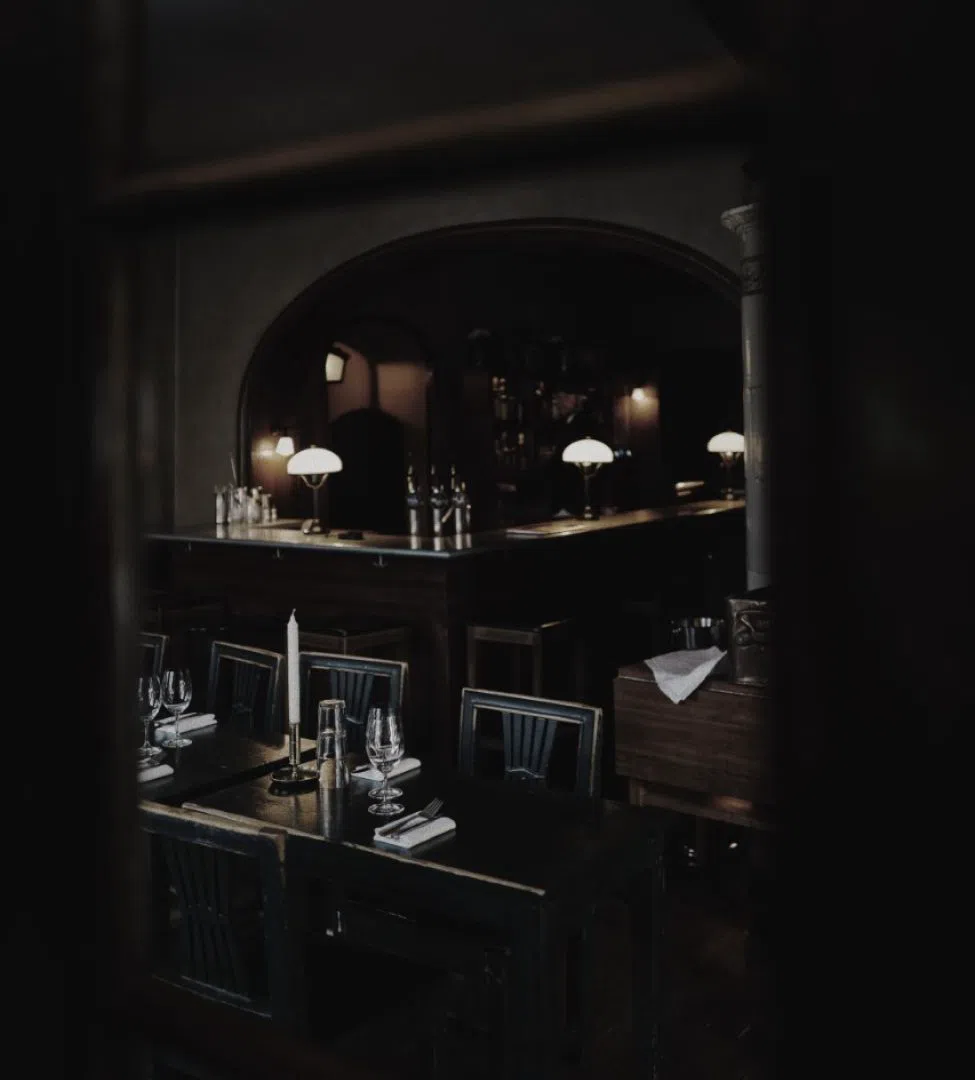
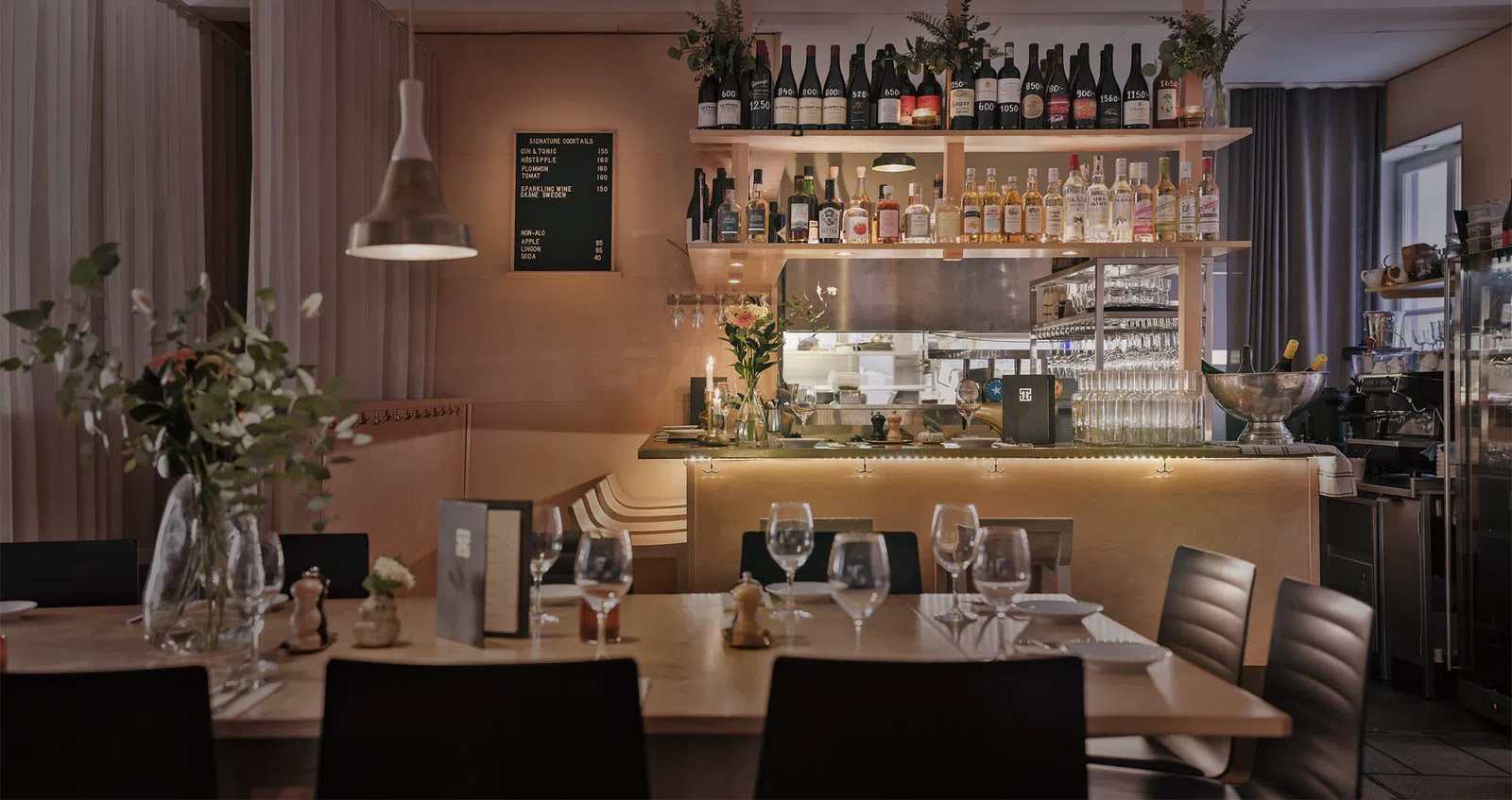
The archetype is Den Gyldene Freden (Österlånggatan, on the island's quieter eastern edge). It has served at the same address since 1722 and is owned by the Swedish Academy — the body that awards the Nobel Prize in Literature — which tells you the register: this is a seated, considered dinner, not a place you wander into for a quick bite. Mains run roughly 250–400 SEK and dinner reservations are advised. It takes groups and private parties well in the historic vaults, but it comes into its own precisely once the day-trippers have gone and the cellar quiets to conversation and cutlery. Book ahead; this is for a planned dinner among a few people or a private table, not a walk-in crowd.
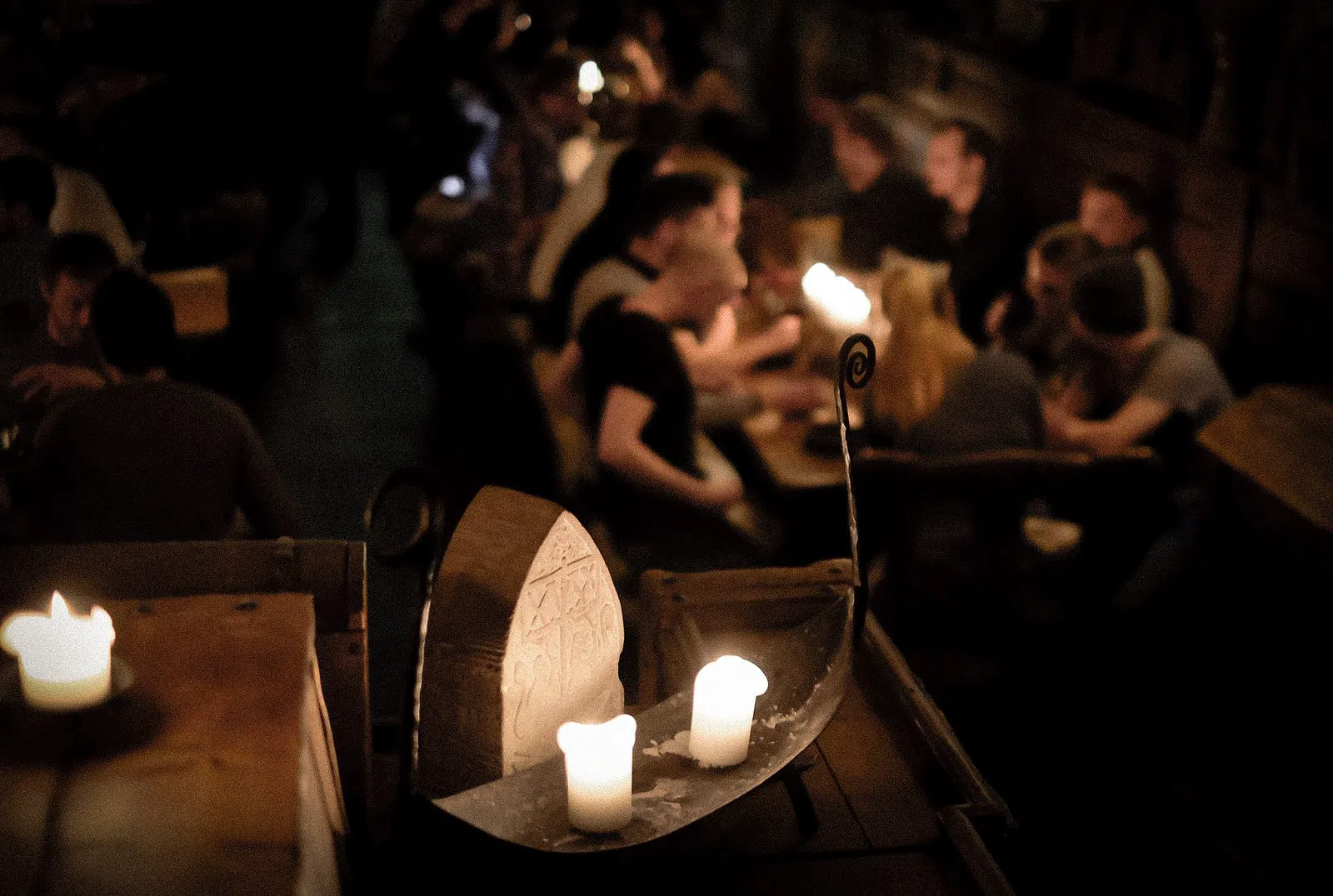
For something louder and frankly more theatrical, Källaren Aifur Krog & Bar (near the western lanes, off Västerlånggatan) is a researched recreation of Norse dining from 700–1100 AD — communal long tables, a hall that seats 150 or more, set feast menus and a genuinely atmospheric roar once it's dark. This is the best group option in the Old Town by a distance: it is built for parties, so if you are eight, twelve or twenty people, this is your room. Expect around 500–800 SEK a head for a feast menu, and book ahead — it often runs Friday and Saturday only, so don't assume a midweek table.
The opposite end of the scale is Restaurang Kryp In (Prästgatan, one of the stillest lanes on the island). It is tiny — the room seats barely more than a generous dinner party — and it fills fast with people who already know about it. The cooking is modern takes on Swedish classics, three courses around 580–595 SEK, and the place is cashless. A reservation is essential and it is fine for a few friends but genuinely too tight for a large group; if you are more than four or five, look elsewhere and keep this one for a quieter night.
Plan your Stockholm trip
Live prices from our booking partners.
Free cancellation on many rooms. We may earn a commission when you book.
Where Stockholmers actually eat
Not everything in Gamla Stan is a special-occasion cellar. A few rooms are where locals go for the food they grew up on, and they suit an easier, less-planned evening.
Restaurang Tradition (Österlånggatan) is exactly what the name promises: straight-down-the-line Swedish husmanskost — meatballs, Toast Skagen, pike-perch — the home cooking Stockholmers actually ate as children. It is the most affordable of the sit-down options here, classic mains around 180–280 SEK, comfortable for groups and family-style tables, and walk-in friendly earlier in the evening. Book if you're bringing a larger party; otherwise arrive on the early side and you'll usually be fine.
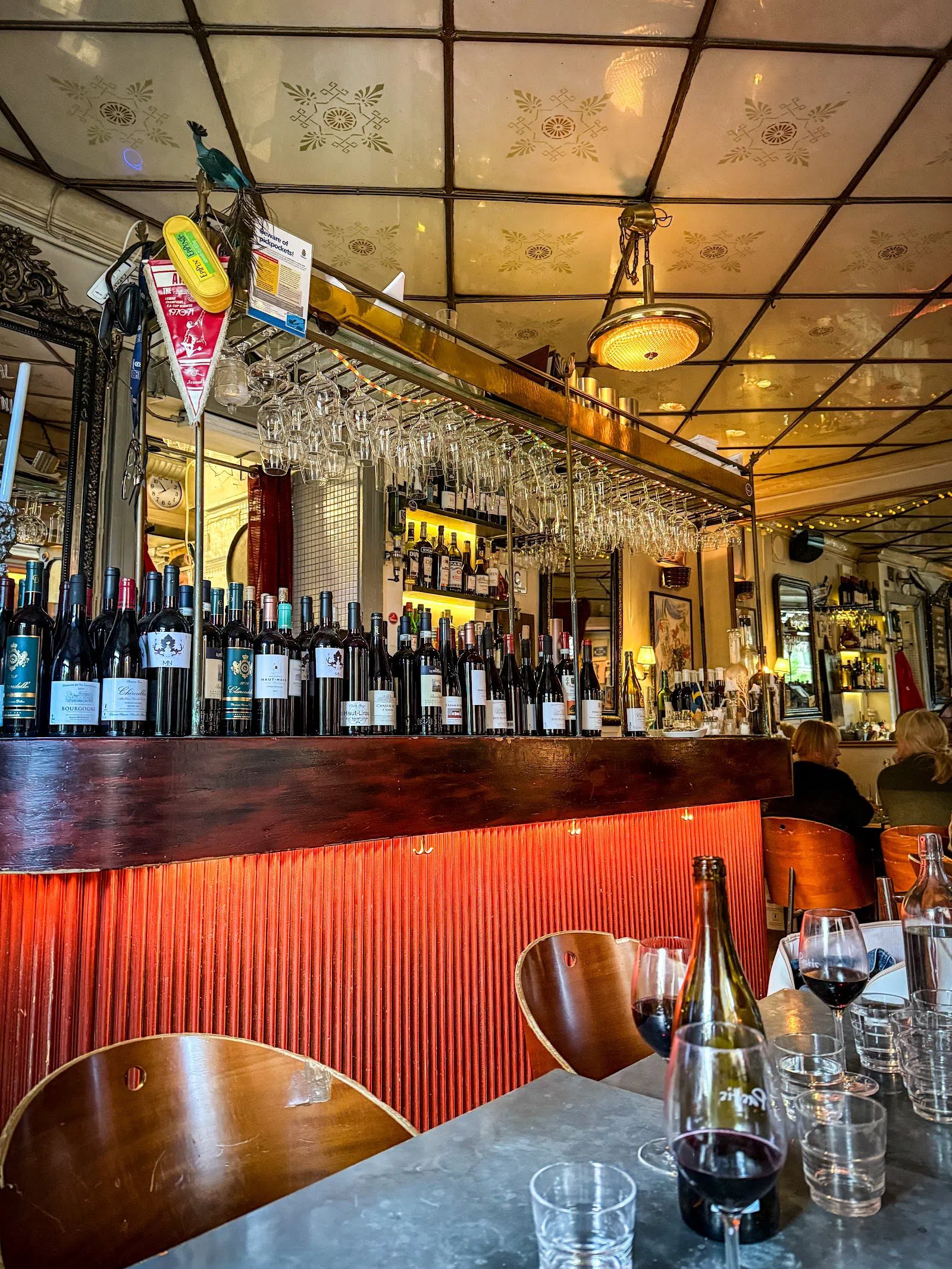
For a change of accent, Bistro Pastis (Baggensgatan, a side lane the tour groups never turn down) has been a genuine neighbourhood French stronghold since 2008. It's an intimate room — best for couples and small groups of up to about six — with bistro mains in the 200–320 SEK range. Reserve for evenings; the size that makes it charming also means it doesn't absorb walk-ins on a busy night.
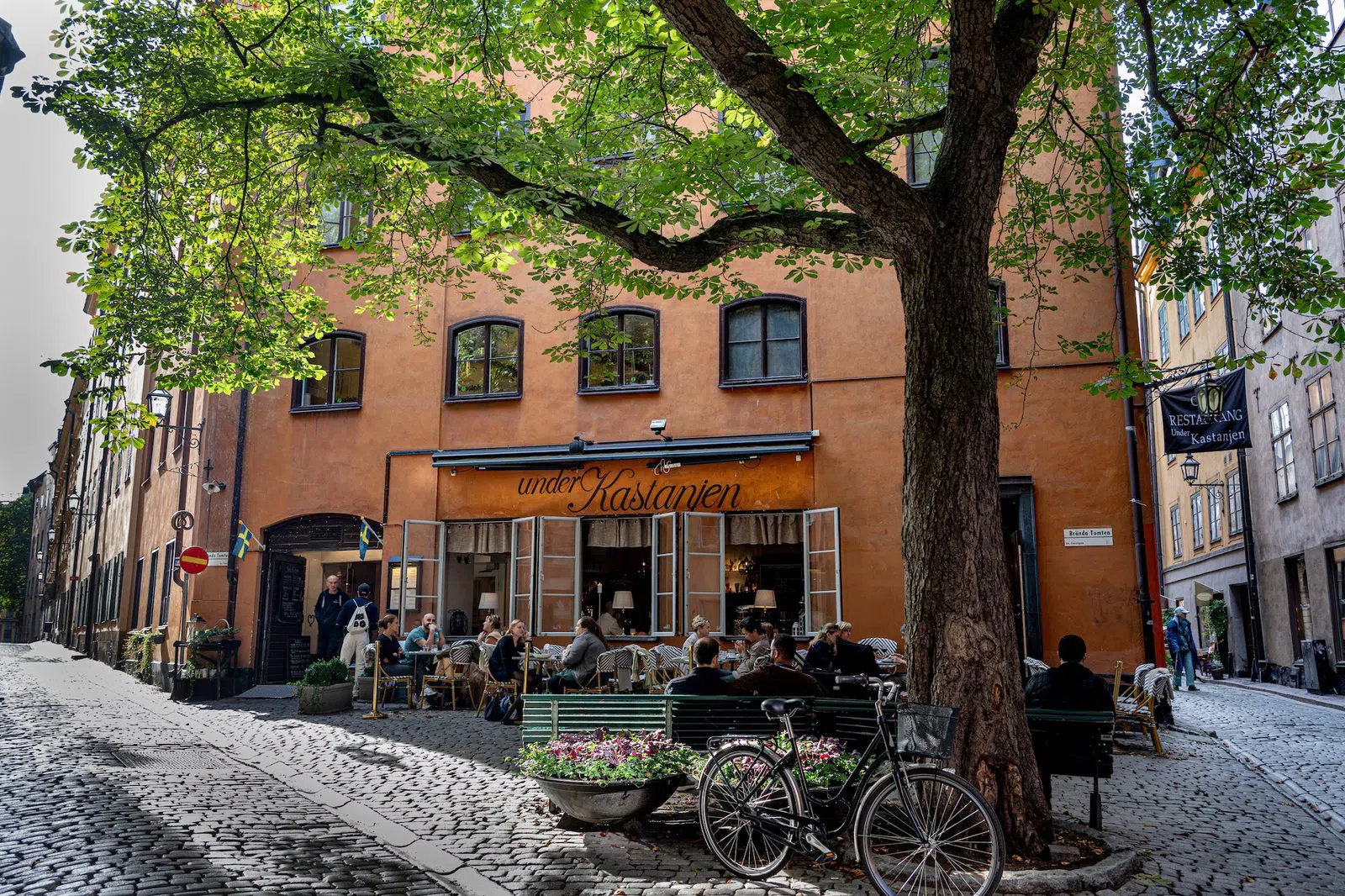
Then there is Under Kastanjen (on Brända Tomten, one of the Old Town's most secret little squares, named for the chestnut tree at its centre). Recently reopened after a renovation, it's a relaxed bistro-and-bar that anchors the neighbourhood from morning coffee through dusk. Plates run about 150–250 SEK, it's walk-in friendly, and there's a cellar available for gatherings, so it takes small-to-mid groups comfortably. If you only sit in one square in Gamla Stan after the crowds thin, make it this one.
Stortorget after the cafés dim
Stortorget — the sloping cobbled square at the island's heart, ringed by those famous narrow gabled houses — is the single most photographed spot in Stockholm by day and one of its most atmospheric by night, once the tour groups clear and the light drops.
Stay for a drink at Pharmarium (right on Stortorget itself), one of the city's most awarded cocktail bars, built on the site of Stockholm's first pharmacy. Craft cocktails run roughly 160–200 SEK. It welcomes groups and takes bookings, but understand what it is: a bar crowd, not a bottle-service door, so sit early if you want the terrace and the square laid out in front of you. This is the reason to still be on Stortorget after the cafés go dark.
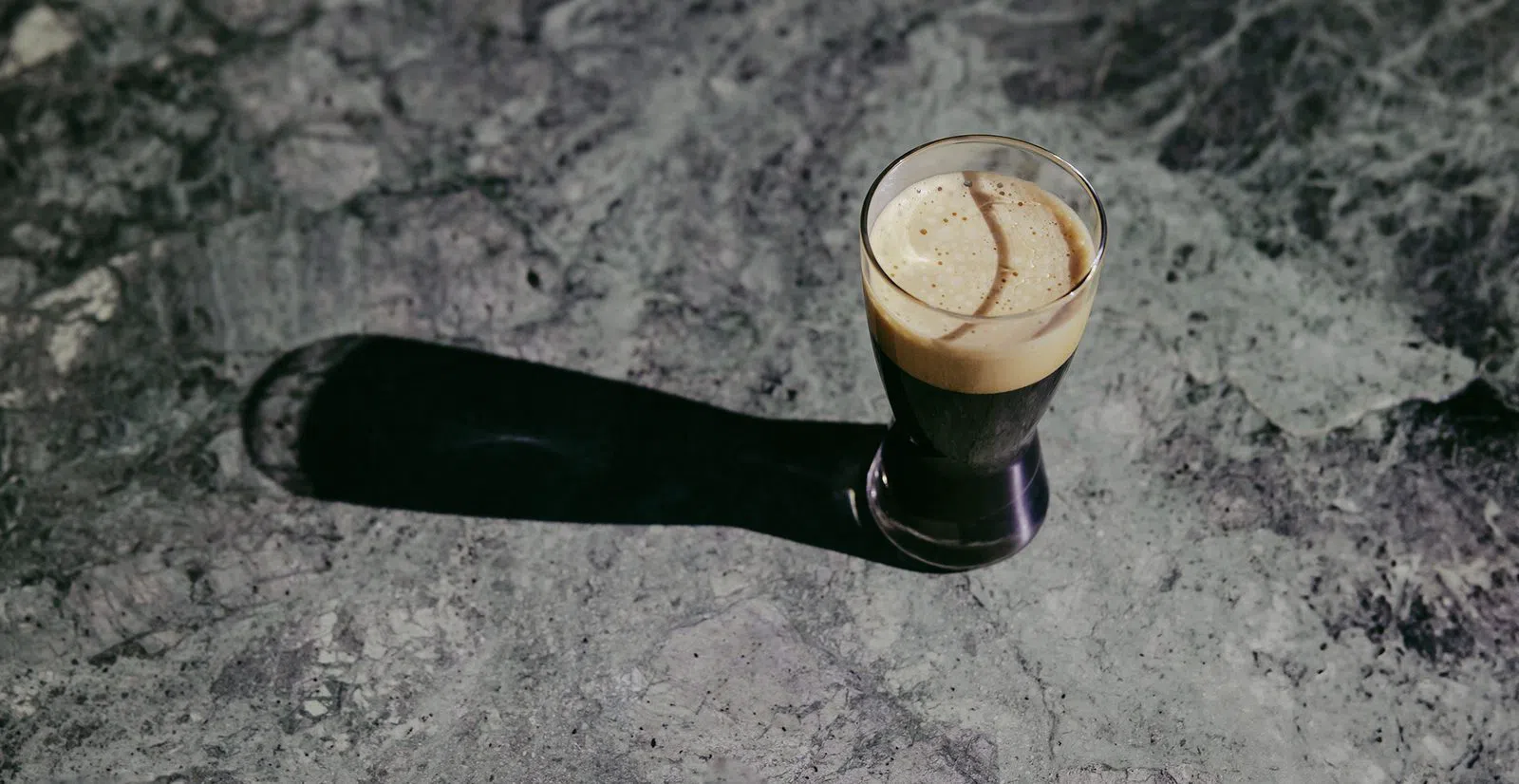
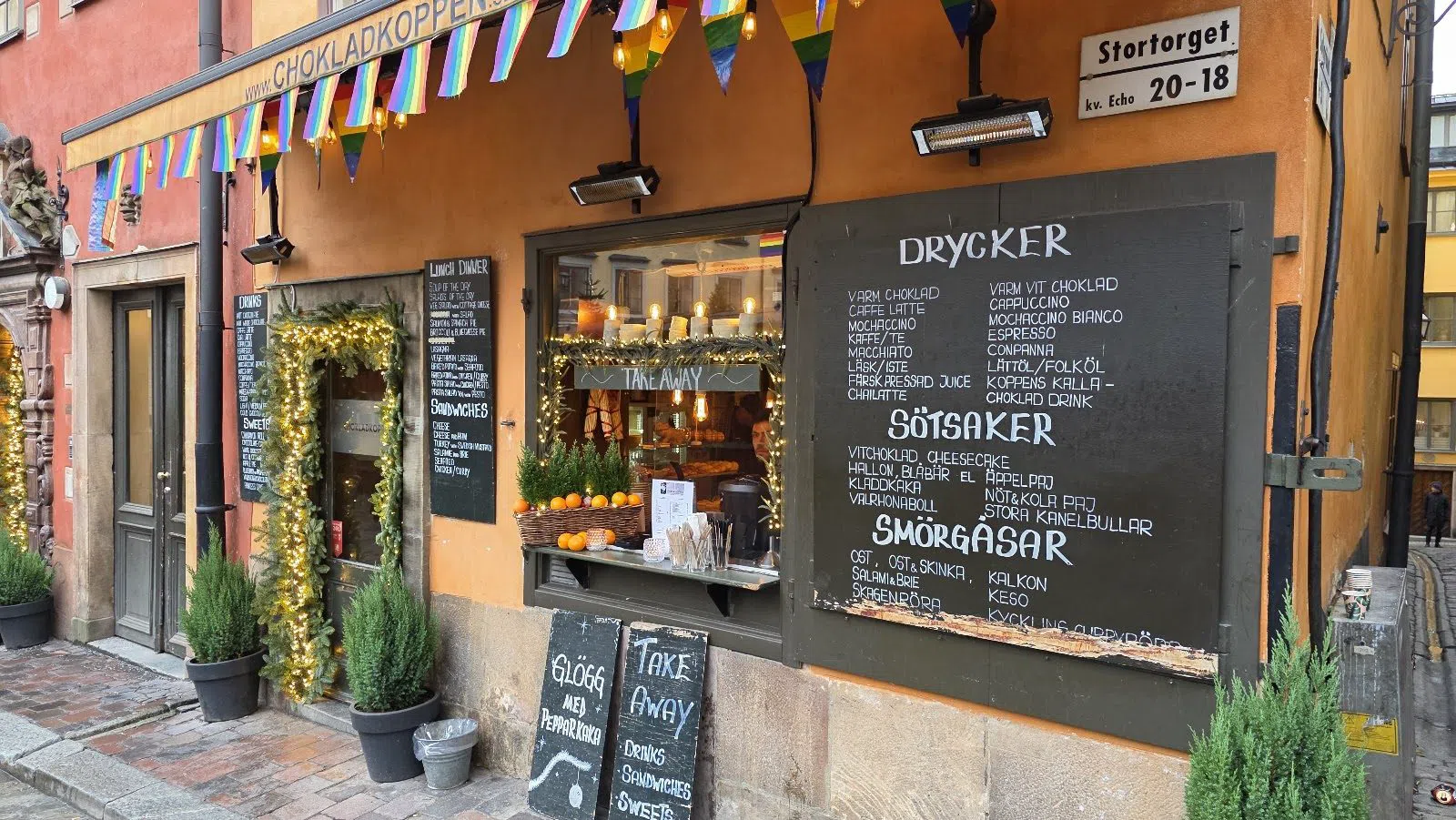
For something warmer and cheaper on a cold night, drop into the candlelit cellar of Kaffekoppen (also on Stortorget). It's casual and busy, takes no reservations, and the move is to grab the vaulted downstairs room when the weather turns — coffee, hot chocolate and cake in the 50–120 SEK range. Small groups are fine; large ones will struggle for space. It stays open into the evening, and it turns the tourist square into something genuinely intimate the moment the light goes.
The Old Town's live-music rooms
Gamla Stan has a surprisingly deep bench of live-music pubs, most of them tucked into the parallel Nygatan lanes on the island's western side, and these are where visitors and locals actually mix after dark.
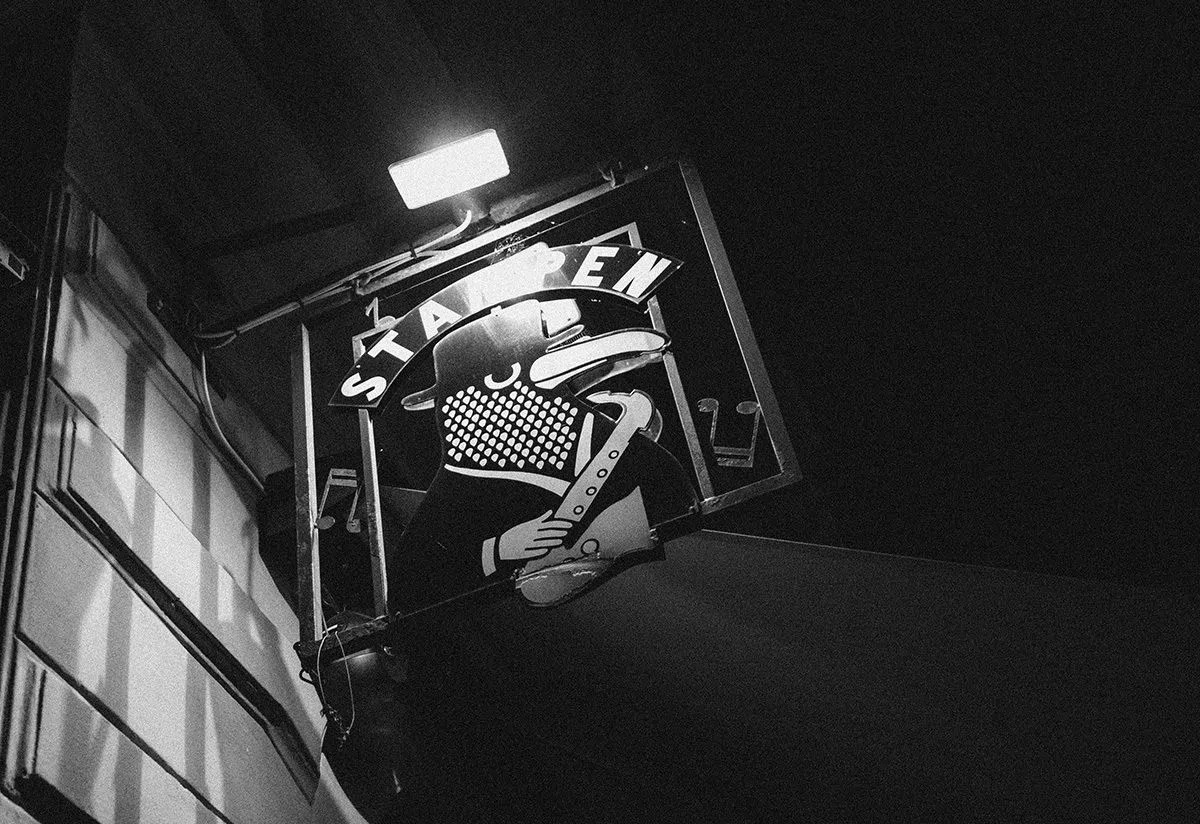
Stampen (Stora Nygatan) has been a jazz, blues and R&B institution since 1968 — one of the rare Old Town rooms where locals and visitors genuinely share a night over live music. It's lively and group-friendly, but it's a standing, mixed-crowd sort of place: arrive early on gig nights if you want a table. Beers run about 80–95 SEK and there's an occasional cover on live nights.
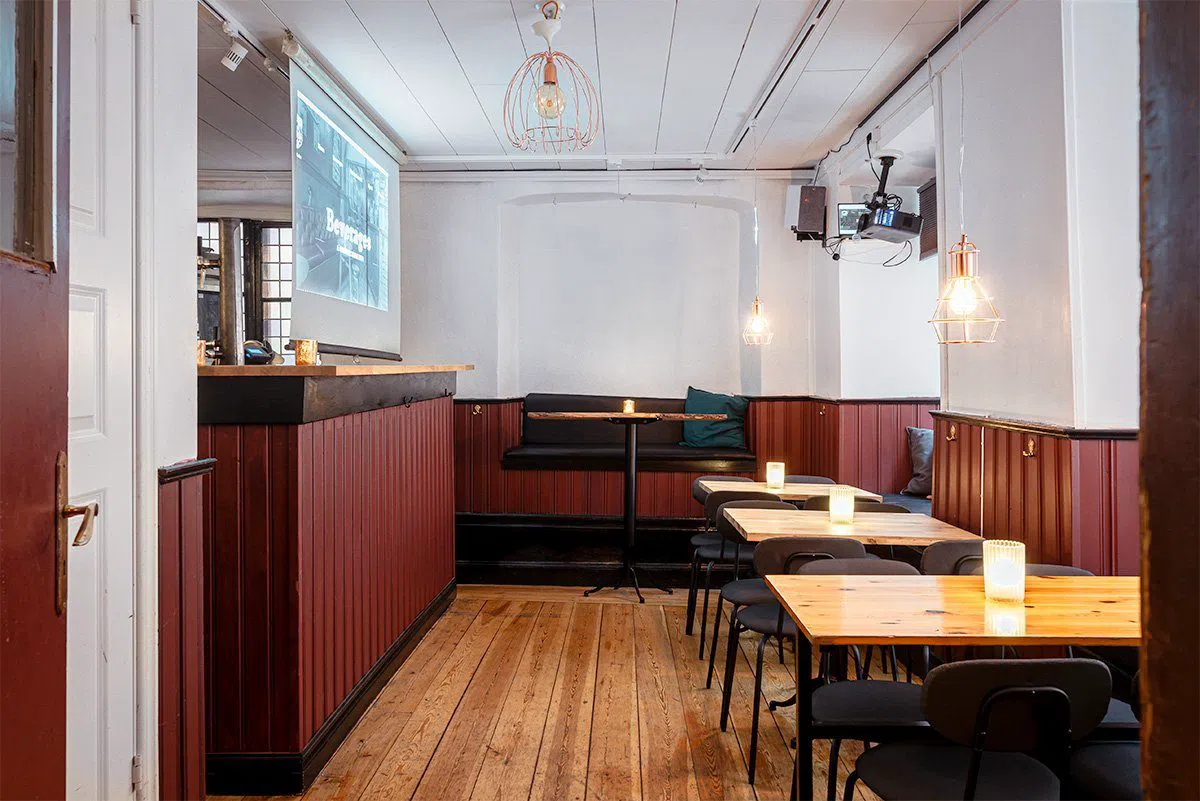
A few doors along, Wirströms Pub (Stora Nygatan) is a roomy warren of cellar nooks in the medieval brickwork — craft beer upstairs and a long-running Tuesday blues jam in the vaulted cellar downstairs. It swallows groups easily, takes no bookings, and asks nothing of you but to turn up; pints are around 75–90 SEK. It's the easiest, most low-commitment local drink on the island.
When the restaurants close and you want the night to keep going, The Liffey (Stora Nygatan) is the Old Town's dependable late Irish pub — big tables, late hours, regular live music, pub food, pints around 80–95 SEK. It's very group-friendly and will book tables for parties, which makes it the natural last stop for a larger group that isn't ready to call it.
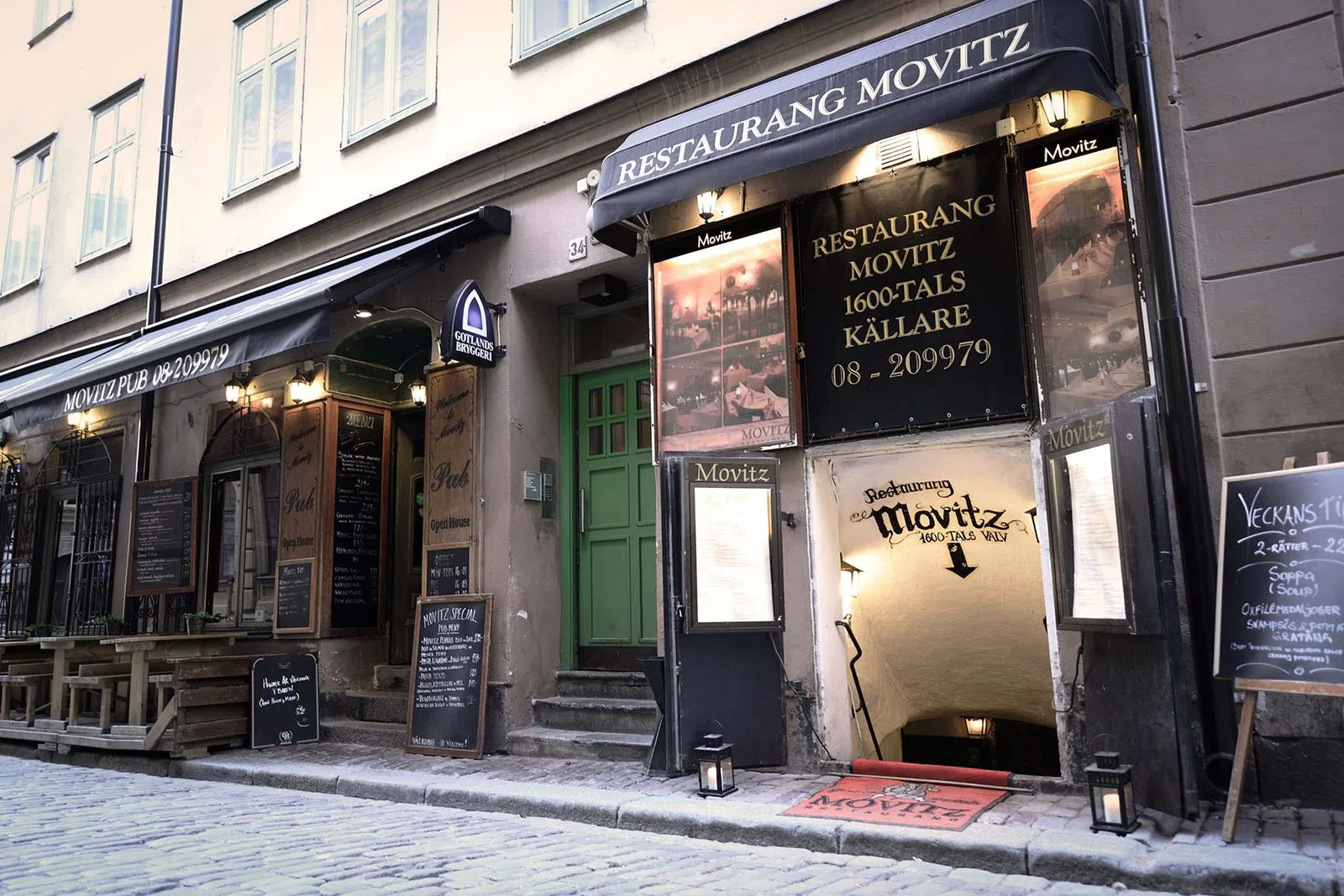
For dinner and a band under one vaulted roof, Källaren Movitz (Tyska Brinken, by the German Church) pairs classic Gamla Stan cellar atmosphere with live jazz on Wednesday evenings. Mains run about 180–260 SEK with drinks on top, and it handles groups in its stone rooms — book for a dinner-and-music evening and you get four-hundred-year-old walls and a live set in the same sitting.
Walking the lanes the daytime tours skip
The best way to understand why Gamla Stan feels different at night is to walk the parts of it that appear on no daytime route. The Original Stockholm Ghost Walk departs in the evening from Järntorget, the smaller square at the island's southern end, and takes you down the executions, legends and dead-end alleys the crowds never reach — roughly 90 minutes, around 350–400 SEK (about $37) per person. It's designed for groups and can take private bookings, with small-group evening departures. Even if you're sceptical of the ghost framing, it's the most reliable way to actually walk the lanes once the square has emptied out, with someone who knows which door is which.
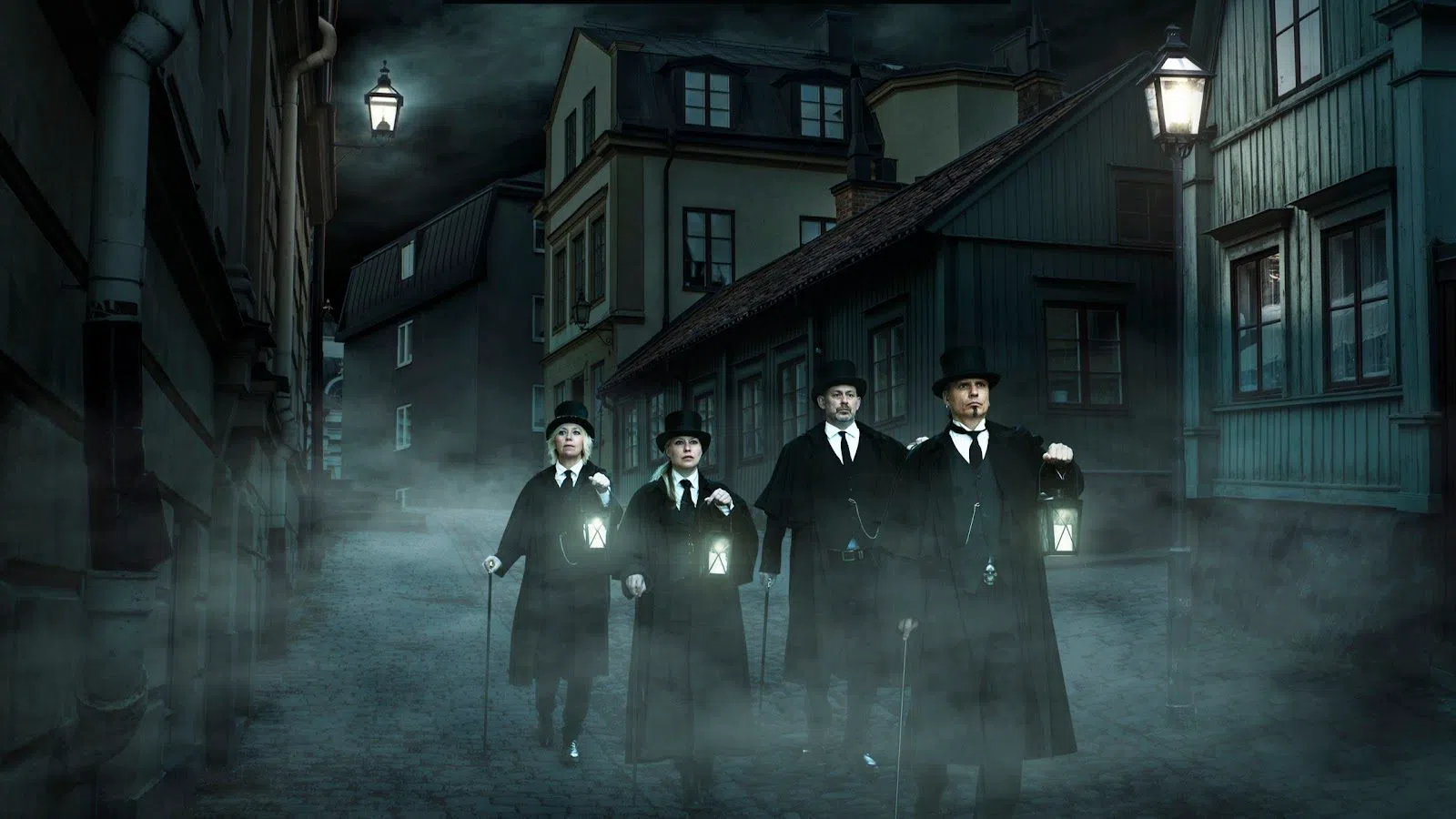
And walking is the point. Gamla Stan is small — you can cross the whole island in ten minutes — but at night its geography changes: the tourist artery of Västerlånggatan empties, and the parallel lanes, Prästgatan and Baggensgatan and the little connecting alleys, become somewhere you'd happily get lost. Let the Ghost Walk orient you early in the evening, then spend the rest of the night drifting between the cellars and squares above at your own pace.
Practical notes for an Old Town evening
Getting there and around. Gamla Stan has its own metro station (blue and green lines, one stop from the central station, T-Centralen), and the island is entirely walkable once you arrive — leave any idea of driving behind, as the medieval lanes are cobbled, steep in places, and largely closed to cars. Comfortable shoes matter more than anything else you pack.
Cash and cards. Stockholm is effectively cashless; assume every venue here takes cards and contactless, and note that some, such as Kryp In, are card-only by policy. You will rarely, if ever, need Swedish kronor in paper form.
Timing. The island turns over around 4–6pm as the cruise crowds leave — that shoulder hour is the sweet spot to claim a table before the evening fills in. Restaurants take their main service from roughly 6pm; the music pubs and bars run late, with The Liffey among the last to wind down. Weekends are busiest, and a couple of the standout rooms (Aifur's feasts, Movitz's Wednesday jazz) run to fixed nights, so check before you build the evening around them.
Booking and groups. Match the room to your party. Couples and pairs: Bistro Pastis, Kryp In. Small groups: Under Kastanjen, Tradition, Pharmarium. Large groups and parties: Aifur first, then The Liffey or Movitz. The cellars and the intimate rooms need reservations; the pubs — Wirströms, Stampen, The Liffey — you can generally just walk into, though arrive early on live nights.
Budget. A full Old Town evening spans a wide range: a cellar café stop runs 50–120 SEK a head, a pub round 75–95 SEK a pint, a husmanskost dinner 180–280 SEK a main, and the destination cellars and feast menus climb to 400–800 SEK per person. Plan one anchor — a proper cellar dinner or a feast — and let the bars and squares fill in around it.
To turn an evening into a stay, compare places to sleep with a Stockholm hotel search, and read the wider Stockholm guide for the rest of the city beyond the island. But give the Old Town a night of its own, after the ships have gone. It is a different, quieter, older place once it belongs to itself again — and it is the version worth remembering.
Before you go
What is the best time to visit Gamla Stan to avoid the crowds?
Arrive from about 4–6pm, when the day's cruise passengers head back to their ships and the island empties out. That shoulder hour lets you claim a table before the evening service fills in, and the lanes stay quiet well into the night, especially midweek.
Which Gamla Stan restaurants are best for a large group?
Källaren Aifur Krog & Bar is the standout group option — a Viking-style feast hall with communal long tables seating 150-plus, ideal for parties of eight or more (book ahead, often Friday and Saturday only). For a late group night, The Liffey and Källaren Movitz also take big tables well.
Do I need to book, or can I just walk in?
It depends on the room. The historic cellars and intimate spots — Den Gyldene Freden, Kryp In, Bistro Pastis — need reservations, and Kryp In is tiny so booking is essential. The music pubs, Wirströms, Stampen and The Liffey, take no bookings; just turn up, but arrive early on live-music nights for a table.
Is Gamla Stan walkable at night and how do I get there?
Yes. Gamla Stan has its own metro station, one stop from Stockholm's central T-Centralen on the blue and green lines, and the whole island is a ten-minute walk end to end. The lanes are cobbled and largely car-free, so wear comfortable shoes and plan to explore on foot.
Do I need cash in Gamla Stan?
Almost never. Stockholm is effectively cashless and every venue here takes cards and contactless payments — some, like Kryp In, are card-only by policy. You can plan a full evening in the Old Town without carrying any Swedish kronor in paper form.